Water Treatment Systems Guide: Filtration Technologies & Industrial Wastewater Solutions
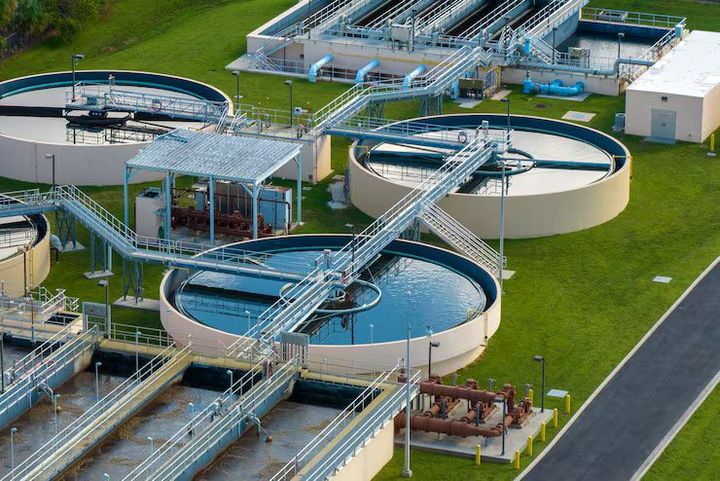
Water treatment systems are technologies and engineered processes used to improve water quality for industrial, municipal, agricultural, and commercial applications. These systems remove contaminants, suspended particles, chemicals, microorganisms, and unwanted minerals from water supplies and wastewater streams. Water treatment plays an important role in public health, environmental management, manufacturing operations, and infrastructure development.
The development of water treatment systems began with basic filtration and sedimentation methods used in early civilizations. As industrialization expanded, more advanced filtration technologies and wastewater treatment processes became necessary to manage pollution, protect water resources, and support growing populations. Today, modern water treatment systems combine physical, chemical, and biological processes to handle different types of water conditions.
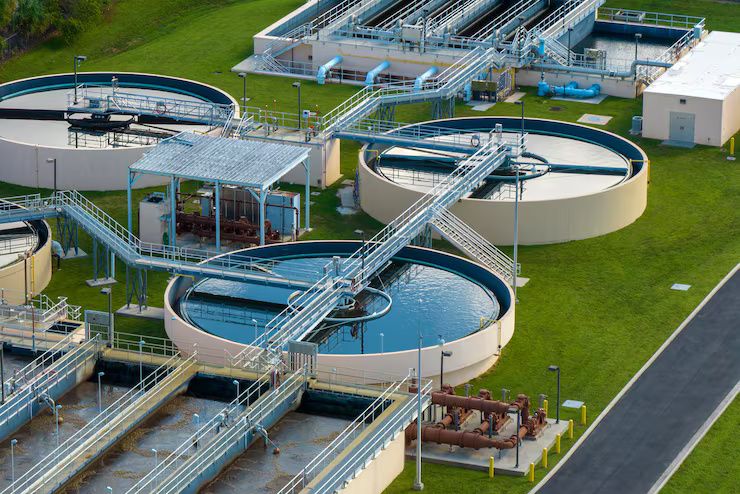
Industrial wastewater solutions are especially important in sectors such as chemical manufacturing, food processing, pharmaceuticals, textiles, mining, and power generation. These industries produce wastewater containing oils, chemicals, metals, organic matter, and suspended solids that require treatment before discharge or reuse.
Common water treatment technologies include:
- Sand filtration systems
- Reverse osmosis units
- Activated carbon filtration
- Membrane filtration systems
- Ultraviolet disinfection
- Ion exchange systems
- Biological treatment reactors
- Sludge separation equipment
Water treatment infrastructure is used in both small-scale facilities and large industrial operations to maintain water quality and environmental compliance.
Importance
Water treatment systems are important because they support safe water usage, reduce pollution, and help industries manage wastewater responsibly. Without proper treatment processes, contaminated water can affect ecosystems, industrial equipment, agricultural production, and public health.
Protection of Water Resources
Filtration technologies and wastewater treatment systems help reduce contamination in rivers, lakes, groundwater, and coastal environments. Industrial wastewater often contains substances that can damage aquatic ecosystems if released without treatment.
Treatment systems help remove:
- Suspended solids
- Chemical residues
- Heavy metals
- Oil and grease
- Organic pollutants
- Harmful microorganisms
These processes support cleaner water discharge and environmental management.
Industrial Process Support
Many industries require controlled water quality for manufacturing operations. Untreated water can damage equipment, reduce production efficiency, and affect product consistency.
Industries commonly using water treatment systems include:
| Industry | Water Treatment Purpose | Common Treatment Method |
|---|---|---|
| Food Processing | Process water quality | Filtration and UV treatment |
| Power Generation | Boiler feed water | Reverse osmosis |
| Textile Manufacturing | Dye wastewater treatment | Chemical treatment |
| Pharmaceuticals | Purified production water | Membrane filtration |
| Mining Operations | Heavy metal removal | Sedimentation and filtration |
Industrial water treatment systems help maintain stable manufacturing conditions and equipment reliability.
Public Health and Sanitation
Municipal water treatment facilities help reduce waterborne contaminants and improve sanitation systems. Treated water is used for drinking supplies, public infrastructure, and community distribution systems.
Water treatment supports:
- Safe drinking water distribution
- Wastewater sanitation
- Disease prevention
- Urban infrastructure management
These systems are essential in both urban and rural communities.
Water Reuse and Conservation
Many industrial facilities now use wastewater recycling systems to reduce freshwater consumption. Treated wastewater can sometimes be reused for cooling systems, cleaning operations, irrigation, or industrial processing.
Water reuse practices support:
- Reduced industrial water demand
- Lower wastewater discharge volumes
- Improved resource management
- Long-term water conservation planning
Filtration Technologies
Different filtration technologies are used depending on water quality conditions and treatment requirements. Many systems combine multiple treatment stages to improve purification efficiency.
Sand Filtration Systems
Sand filtration is one of the most widely used water treatment methods. Water passes through layers of sand and gravel that trap suspended particles and debris.
Common applications include:
- Municipal water treatment
- Swimming pool filtration
- Industrial pretreatment systems
- Irrigation water treatment
Sand filtration systems are often used as an early treatment stage before advanced purification processes.
Activated Carbon Filtration
Activated carbon filters remove chlorine, odors, organic compounds, and certain chemicals from water. The porous structure of activated carbon absorbs contaminants as water passes through the filter media.
Uses include:
- Drinking water treatment
- Industrial process water
- Chemical reduction systems
- Food and beverage production
Activated carbon systems are frequently combined with other filtration technologies.
Reverse Osmosis Systems
Reverse osmosis systems use membrane filtration to remove dissolved salts, minerals, and microscopic contaminants from water. High-pressure pumps force water through semi-permeable membranes that separate impurities.
Reverse osmosis is commonly used in:
- Desalination facilities
- Pharmaceutical manufacturing
- Boiler water treatment
- Electronics production
These systems are widely used where high-purity water is required.
Ultrafiltration and Membrane Systems
Membrane filtration technologies use fine membranes to remove bacteria, suspended solids, and organic matter.
Common membrane categories include:
- Microfiltration
- Ultrafiltration
- Nanofiltration
- Reverse osmosis membranes
These systems are increasingly used in industrial wastewater treatment and water recycling operations.
Ultraviolet Water Treatment
Ultraviolet treatment systems use UV light to deactivate microorganisms in water. This method is commonly used as a disinfection stage without adding chemical disinfectants.
Applications include:
- Drinking water systems
- Wastewater treatment plants
- Food processing facilities
- Laboratory water systems
UV systems are often combined with filtration technologies for improved treatment performance.
Industrial Wastewater Solutions
Industrial wastewater treatment systems are designed to manage wastewater generated during manufacturing and industrial processing activities.
Physical Treatment Processes
Physical treatment methods separate solid materials and suspended particles from wastewater.
Examples include:
- Screening systems
- Sedimentation tanks
- Oil-water separators
- Filtration units
These processes are often used during the initial stages of wastewater treatment.
Chemical Treatment Methods
Chemical treatment systems use reactions to neutralize contaminants or separate dissolved materials from water.
Common methods include:
- Coagulation and flocculation
- pH adjustment
- Chemical precipitation
- Oxidation treatment
Chemical treatment is widely used in industries producing complex wastewater streams.
Biological Wastewater Treatment
Biological treatment systems use microorganisms to break down organic pollutants in wastewater.
Typical biological systems include:
- Activated sludge processes
- Aeration tanks
- Biofilm reactors
- Anaerobic digestion systems
These processes are commonly used in food processing, municipal wastewater, and agricultural industries.
Sludge Management Systems
Wastewater treatment generates sludge containing concentrated solids and treatment residues. Sludge handling systems help separate, dewater, and manage these materials.
Common sludge treatment equipment includes:
- Filter presses
- Centrifuges
- Drying beds
- Sludge thickening tanks
Proper sludge management supports environmental compliance and waste reduction efforts.
Recent Updates
Between 2024 and 2026, water treatment systems and industrial wastewater technologies have experienced several operational and environmental developments.
Expansion of Smart Water Monitoring
Digital monitoring systems are increasingly used to track water quality, chemical levels, and equipment performance in real time.
Smart monitoring technologies include:
- Remote sensor systems
- Automated chemical dosing controls
- Cloud-based monitoring platforms
- Leak detection systems
These tools help improve operational management and maintenance planning.
Growth of Water Recycling Systems
Industrial facilities are investing more heavily in water reuse systems to reduce freshwater consumption and wastewater discharge volumes.
Industries focusing on recycling technologies include:
- Semiconductor manufacturing
- Textile production
- Mining operations
- Power generation
Water recycling has become more important in regions facing water supply challenges.
Membrane Technology Advancements
Recent developments in membrane filtration focus on improving filtration efficiency and reducing membrane fouling.
Research areas include:
- High-durability membrane materials
- Energy-efficient filtration systems
- Advanced desalination membranes
- Compact treatment system designs
These developments support industrial wastewater treatment and water purification operations.
Environmental Compliance Focus
Environmental regulations continue influencing wastewater management practices. Many industries are upgrading treatment systems to improve discharge quality and reduce pollution levels.
Laws or Policies
Water treatment systems and industrial wastewater solutions are regulated through environmental laws, sanitation standards, and industrial discharge requirements.
Wastewater Discharge Regulations
Industrial facilities are commonly required to treat wastewater before releasing it into municipal systems or natural water bodies.
Regulations may include limits for:
- Chemical contaminants
- Heavy metals
- Biological pollutants
- Suspended solids
- Temperature discharge levels
Environmental agencies typically monitor wastewater compliance standards.
Drinking Water Standards
Municipal water treatment systems must comply with public health regulations related to drinking water quality.
These standards often regulate:
- Microbial contamination
- Chemical concentrations
- Turbidity levels
- Disinfection processes
Water quality monitoring is an important part of municipal infrastructure management.
Industrial Environmental Policies
Governments may also introduce industrial sustainability programs related to:
- Water conservation
- Wastewater recycling
- Pollution reduction
- Industrial discharge management
These policies encourage responsible water management practices across industrial sectors.
Tools and Resources
Several technical tools and digital resources support water treatment system operation and wastewater management.
Water Quality Monitoring Systems
Digital monitoring platforms help operators track water conditions and treatment performance.
Monitoring functions may include:
- pH measurement
- Conductivity analysis
- Flow monitoring
- Turbidity tracking
- Chemical concentration analysis
These systems assist with operational control and compliance monitoring.
Treatment Process Software
Water treatment facilities often use software platforms for process management and equipment tracking.
Common software functions include:
- Treatment plant monitoring
- Maintenance scheduling
- Data logging
- Chemical usage tracking
- System performance analysis
Engineering Databases and Standards
Technical references help engineers design and maintain treatment systems.
Resources may include:
- Water chemistry databases
- Membrane selection guides
- Wastewater treatment design manuals
- Equipment specification references
These materials support system planning and operational management.
FAQs
What are water treatment systems used for?
Water treatment systems are used to remove contaminants, particles, chemicals, and microorganisms from water supplies and wastewater streams for industrial, municipal, and commercial applications.
What is the difference between filtration technologies and wastewater treatment?
Filtration technologies mainly remove particles and impurities from water, while wastewater treatment includes broader physical, chemical, and biological processes used to manage contaminated water after industrial or municipal use.
Which industries use industrial wastewater solutions?
Industries commonly using industrial wastewater solutions include chemical manufacturing, food processing, pharmaceuticals, textiles, mining, and power generation.
How does reverse osmosis work in water treatment systems?
Reverse osmosis uses high-pressure pumps and semi-permeable membranes to separate dissolved salts, minerals, and contaminants from water.
Why are industrial wastewater treatment systems important?
Industrial wastewater treatment systems help reduce pollution, protect water resources, support environmental compliance, and improve water reuse opportunities.
Conclusion
Water treatment systems and industrial wastewater solutions are important parts of modern infrastructure and industrial operations. These technologies help improve water quality, reduce pollution, and support responsible resource management across multiple sectors. Different filtration technologies and treatment methods are used depending on water conditions and industrial requirements. Recent developments in smart monitoring, membrane systems, and water recycling continue shaping the water treatment industry. Environmental regulations and sustainability goals also influence how water treatment facilities operate and manage wastewater processes.