Ultra-Low Temperature Freezer Insights for Biomedical, Industrial, and Research Facilities
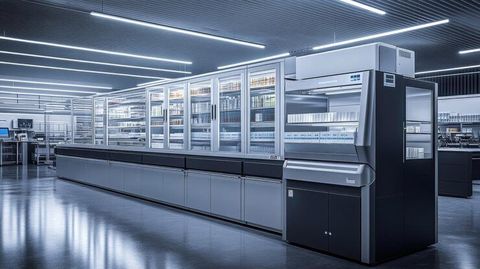
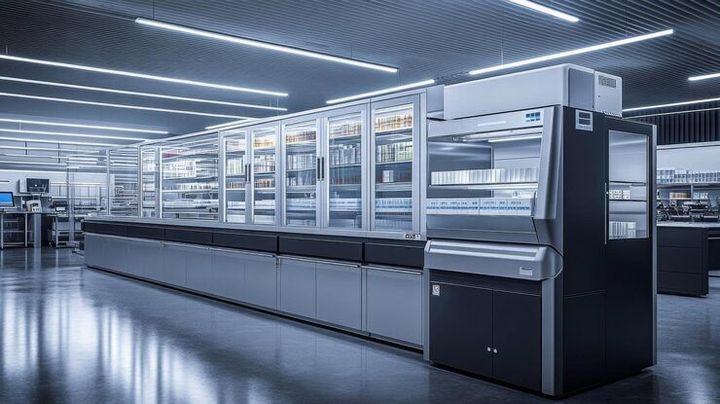
Ultra-low temperature freezers are specialized cold storage systems designed to preserve sensitive materials at extremely low temperatures, often far below the capabilities of standard refrigeration equipment. These systems are commonly used in biomedical laboratories, pharmaceutical operations, industrial manufacturing environments, and scientific research facilities where sample integrity is critical. Materials such as biological specimens, vaccines, enzymes, chemicals, and testing compounds may require stable storage conditions to remain effective and uncontaminated over long periods. For organizations handling sensitive products or research materials, choosing the right freezer system has become an important operational decision rather than a simple equipment purchase.
This comparison matters globally because demand for secure cold storage has increased across healthcare, manufacturing, biotechnology, and environmental research sectors. According to global research and industry data, organizations are placing greater emphasis on long-term sample preservation, energy efficiency, and operational reliability. Over the past few years, international supply chain disruptions and increased scientific collaboration have also highlighted the importance of dependable storage infrastructure. Facilities now need equipment that supports both regulatory expectations and operational continuity while balancing energy use and maintenance requirements.
The real-world impact of ultra-low temperature storage extends beyond laboratories. Reliable storage can influence product quality, scientific accuracy, public health preparedness, and industrial innovation. A freezer malfunction may lead to damaged samples, interrupted research timelines, or significant financial losses. For many facilities worldwide, understanding the differences between freezer types, performance levels, and operational features can directly affect long-term efficiency and risk management. These considerations naturally lead to a closer look at who depends on this technology and the problems it is designed to solve.
Who it affects & problems it solves
Ultra-low temperature freezers affect a wide range of professionals and organizations globally. Biomedical researchers rely on them to preserve tissue samples, blood products, and genetic materials for long-term analysis. Pharmaceutical companies use them to maintain the stability of temperature-sensitive compounds during development and testing. Industrial manufacturers may require low-temperature environments for specialty chemicals or advanced materials. Academic institutions, environmental laboratories, and healthcare facilities also depend on these systems to support research accuracy and operational reliability. Even organizations outside traditional laboratory settings increasingly use advanced cold storage as scientific and technical work becomes more data-driven and precision-focused.
Without clarity on freezer performance and operational requirements, many organizations invest in systems that do not align with their storage demands or facility capabilities. Some facilities underestimate energy consumption, while others overlook backup systems or temperature recovery speed. These oversights can result in unstable storage conditions, inconsistent sample preservation, or higher operating expenses over time. In highly sensitive environments, even small temperature fluctuations may affect product quality or research outcomes. A careful comparison helps organizations balance reliability, sustainability, capacity, and long-term operational value.
A common mistake seen internationally is selecting a freezer based only on storage volume without evaluating environmental conditions, maintenance access, or monitoring systems. For example, a research laboratory may choose a large-capacity unit but later discover that energy demands exceed facility infrastructure or that internal organization is inefficient for daily workflows. Similarly, industrial facilities sometimes prioritize short-term cost savings over durability and recovery performance, creating higher risks during power interruptions or frequent door openings. These practical challenges have encouraged manufacturers and facility managers to rethink freezer design and operational strategies, leading directly into recent developments across the sector.
Recent updates
Over the past year, manufacturers have increasingly focused on energy-efficient compressor systems and environmentally conscious refrigerants. Global industry trends show rising demand for equipment that reduces operational costs while maintaining stable ultra-low temperatures. Many new models now include improved insulation materials and variable-speed compressors designed to optimize cooling performance without excessive power consumption. This shift reflects broader sustainability goals seen across research, healthcare, and industrial sectors worldwide.
In early 2025, digital monitoring capabilities became a stronger competitive factor in freezer selection. More facilities are adopting systems with remote alerts, cloud-based monitoring, and predictive maintenance features. These tools help facility managers detect temperature fluctuations or equipment stress before failures occur. Internationally, organizations managing large sample inventories increasingly view digital oversight as an operational necessity rather than an optional feature.
Another important shift involves freezer footprint and storage organization. Space optimization has become more relevant as laboratories and industrial facilities attempt to increase storage density without expanding infrastructure. Manufacturers are introducing modular shelving systems, compact upright designs, and improved access configurations to support workflow efficiency. Facilities with limited floor space are especially interested in equipment that balances storage capacity with manageable energy requirements.
Over the past 12 months, resilience planning has also received greater attention. Industry discussions now emphasize backup power integration, temperature recovery speed, and emergency preparedness. Facilities handling sensitive materials are evaluating how quickly systems stabilize after door openings or temporary power interruptions. This growing focus on operational continuity has encouraged buyers to compare freezer technologies more carefully, making a structured comparison table especially useful for understanding key differences.
Comparison table
The following table compares important ultra-low temperature freezer considerations commonly evaluated by biomedical, industrial, and research facilities worldwide. These parameters help organizations assess performance, reliability, operational efficiency, and long-term suitability.
| Parameter | Upright Freezer | Chest Freezer | Compact Laboratory Model | Large Industrial Model |
|---|---|---|---|---|
| Storage accessibility | High | Moderate | High | Moderate |
| Energy efficiency | Moderate to high | High | Moderate | Variable |
| Temperature stability | High | Very high | High | High |
| Recovery after door opening | Fast | Slower | Fast | Moderate |
| Floor space requirement | Moderate | High | Low | High |
| Sample organization | Excellent | Moderate | Excellent | Good |
| Maintenance complexity | Moderate | Low to moderate | Moderate | High |
| Noise levels | Moderate | Low | Moderate | Higher |
| Scalability | Good | Limited | Limited | Excellent |
| Monitoring integration | Advanced | Moderate | Advanced | Advanced |
| Typical application | Laboratories | Long-term storage | Small facilities | Industrial operations |
| Backup compatibility | Strong | Moderate | Moderate | Strong |
The table shows that no single freezer design fits every operational need. Upright systems generally support accessibility and workflow efficiency, while chest freezers often perform well for long-term stability and energy management. Industrial-scale systems provide larger capacity and scalability but may require more infrastructure planning and maintenance oversight. These comparisons also connect closely to broader international standards and operational guidance, which influence how facilities select and manage cold storage systems.
Regulations & practical guidance
In most countries, organizations using ultra-low temperature storage must follow general safety, maintenance, and documentation standards designed to protect sensitive materials and ensure operational reliability. Internationally, facilities are commonly expected to maintain temperature logs, establish backup procedures, and monitor equipment performance regularly. Research institutions and healthcare environments often apply stricter internal protocols because storage failures may compromise scientific integrity or material safety. While exact requirements differ depending on local regulations and industry type, the overall expectation is consistent: sensitive materials must remain stored under stable and traceable conditions.
Global industry guidance also increasingly emphasizes energy efficiency and environmental responsibility. Many facilities now evaluate freezer systems not only for cooling performance but also for refrigerant impact, insulation quality, and power consumption. Preventive maintenance programs have become more common because organizations recognize that early equipment servicing can reduce operational disruptions and extend freezer lifespan. In large facilities, centralized monitoring systems are often used to improve oversight across multiple storage units.
Which option suits your situation?
A biomedical research laboratory handling frequent sample access may benefit from an upright freezer with advanced organization systems and rapid temperature recovery. These environments often prioritize workflow efficiency because staff may open storage units repeatedly throughout the day. In this situation, monitoring integration and alarm responsiveness become especially important for maintaining consistent storage conditions.
An industrial operation storing specialty materials for long periods may prefer a chest-style system focused on temperature stability and energy efficiency. Facilities with lower daily access needs often value reduced thermal loss and dependable long-term preservation more than quick retrieval speed. Operational cost management may also play a larger role in this type of environment.
Smaller academic or startup laboratories frequently choose compact laboratory models because they balance storage performance with space limitations. These facilities may need flexible systems that fit into existing infrastructure without major upgrades. Careful attention to storage planning and inventory organization can help smaller operations maximize freezer efficiency.
Large research networks or pharmaceutical facilities commonly invest in industrial-scale systems supported by backup power integration and centralized monitoring. In these situations, scalability and continuity planning become major priorities because interruptions may affect large volumes of valuable materials. These practical considerations naturally lead to the tools and resources organizations use to improve freezer management and operational oversight.
Tools & resources
Several globally accessible tools and resources can help facilities evaluate and manage ultra-low temperature freezer operations more effectively.
Laboratory Inventory Management Systems — Digital platforms that help track stored samples, improve organization, and reduce retrieval time within freezer units.
Temperature Monitoring Software — Monitoring applications that provide alerts, historical tracking, and remote oversight for freezer performance and environmental conditions.
Energy Consumption Calculators — Tools used to estimate long-term electricity usage and compare operational efficiency between freezer models.
Preventive Maintenance Schedulers — Planning systems that help facilities organize inspections, servicing intervals, and equipment maintenance documentation.
Cold Storage Audit Templates — Structured assessment resources used to evaluate freezer performance, storage practices, and compliance readiness.
Facility Risk Assessment Platforms — Operational tools that help identify vulnerabilities related to backup power, temperature recovery, and equipment reliability.
Scientific Sample Tracking Databases — Data management systems that support traceability and improve storage accuracy across research and industrial facilities.
These resources support better operational planning, improved equipment oversight, and stronger long-term storage management, which also helps answer many common questions facilities have about ultra-low temperature freezer selection and use.
Frequently asked questions
What is an ultra-low temperature freezer used for?
An ultra-low temperature freezer is designed to store sensitive materials at extremely low temperatures to preserve stability and integrity over time. Common applications include biomedical research, pharmaceutical development, industrial testing, and laboratory sample preservation. These systems help protect materials that could degrade under standard refrigeration conditions. Facilities choose different freezer types depending on storage volume, access frequency, and operational priorities.
Which type of freezer is best for high-access laboratory environments?
High-access laboratory environments often benefit from upright freezer systems because they provide organized storage and faster access to samples. These units typically recover temperature more quickly after door openings, which helps maintain stability during daily use. Facilities handling frequent retrieval tasks may also value adjustable shelving and advanced monitoring features that improve workflow efficiency and reduce operational disruptions.
Are ultra-low temperature freezers generally regulated internationally?
Most jurisdictions have operational standards related to temperature monitoring, maintenance documentation, and storage reliability for sensitive materials. Internationally, organizations are often expected to maintain stable conditions and establish backup procedures to reduce risk. Exact requirements vary depending on industry type and local oversight, but global best practices commonly emphasize traceability, equipment monitoring, and preventive maintenance to support consistent storage conditions.
Is higher storage capacity always the better choice?
A common misconception is that larger freezer capacity automatically provides better long-term value. In reality, oversized systems may increase energy use, reduce workflow efficiency, or create unnecessary maintenance costs if storage needs are limited. Facilities should evaluate actual inventory requirements, access frequency, available space, and infrastructure capacity before selecting a freezer size. Balanced planning usually produces better operational efficiency than simply maximizing storage volume.
What factors determine whether a facility needs advanced monitoring features?
Facilities storing highly sensitive or high-value materials generally benefit most from advanced monitoring systems. Factors such as frequent access, large sample inventories, strict documentation requirements, or remote operations often increase the need for automated alerts and performance tracking. Smaller facilities with stable operational routines may use simpler systems, while larger organizations commonly require centralized monitoring to support risk management and operational continuity.
Conclusion
Ultra-low temperature freezers play a critical role in biomedical, industrial, and research operations by supporting reliable preservation of sensitive materials. The most important factors identified throughout this comparison include temperature stability, energy efficiency, accessibility, monitoring capability, and long-term operational reliability. Different freezer configurations serve different priorities, which means facilities benefit most when they evaluate storage needs alongside workflow demands and infrastructure capacity.
For organizations deciding between freezer options, the strongest approach is usually a balanced assessment rather than focusing on a single feature such as size or initial cost. Facilities with frequent access needs may prioritize organization and recovery speed, while long-term storage operations may value thermal stability and energy performance more heavily. Careful planning, preventive maintenance, and reliable monitoring systems can significantly improve operational consistency regardless of freezer type.