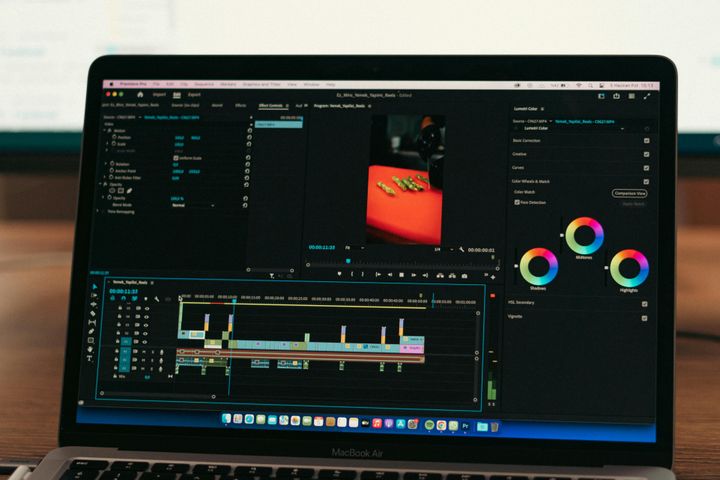
The need for video editing tools has grown alongside the rise of digital media. From films and television to social media and online education, video content plays a central role in communication. Editing tools exist to make this content clear, visually appealing, and informative.
Modern tools incorporate advanced capabilities such as non-linear editing systems, AI video editing software, and real-time rendering technology. These features allow users to work efficiently without altering original footage, while also enabling complex editing workflows.
Video editing is closely connected to fields like digital content creation tools, multimedia production software, and visual storytelling techniques, making it a key skill in today’s digital environment.
Importance – Why Video Editing Tools Matter Today
Video editing tools are important because they help individuals and organizations communicate ideas effectively through visual media. As video content becomes more dominant across platforms, editing plays a critical role in ensuring clarity, engagement, and professionalism.
One major benefit is improved storytelling. Editing allows creators to organize footage into a logical sequence, add context through text or voiceovers, and highlight key moments. This is essential for educational videos, presentations, and entertainment content.
Another important aspect is accessibility. Features such as subtitles, audio adjustments, and visual enhancements make content easier to understand for diverse audiences.
Video editing tools are relevant for:
-
Content creators working with high-quality video production insights
-
Educators using multimedia for teaching
-
Businesses focusing on digital marketing video strategies
-
Individuals exploring creative media editing techniques
They also help solve common challenges such as:
-
Disorganized raw footage
-
Poor lighting or color quality
-
Audio inconsistencies
-
Lack of visual coherence
The table below compares basic and advanced editing capabilities:
| Feature | Basic Editing Tools | Advanced Editing Tools |
|---|
| Timeline Editing | Simple trimming | Multi-layer editing |
| Effects | Limited filters | Advanced visual effects and transitions |
| Audio Editing | Basic adjustments | Multi-track audio mixing |
| Rendering | Standard output | High-resolution and real-time rendering |
| Automation | Minimal | AI-assisted editing features |
This comparison shows how advanced tools enhance both efficiency and output quality.
Recent Updates – Trends and Developments (2025–2026)
Video editing tools have evolved rapidly in the past year, influenced by artificial intelligence and cloud-based technologies.
One significant trend is the integration of AI-powered editing features. Since 2025, many platforms have introduced automated editing functions such as scene detection, background removal, and voice enhancement. These developments support AI video editing automation insights.
Another major update is the growth of cloud-based editing platforms. These tools allow users to edit videos collaboratively and access projects from different devices. This aligns with the increasing demand for cloud video editing solutions.
Short-form video content has also influenced tool development. Editing software now includes templates and features optimized for vertical video formats used in social media platforms.
The table below highlights recent trends:
| Trend (2025–2026) | Description |
|---|
| AI-assisted editing | Automated cuts, effects, and enhancements |
| Cloud-based platforms | Remote collaboration and storage |
| Short-form video tools | Features for vertical and quick content creation |
| Real-time rendering | Faster preview and export processes |
| Motion graphics integration | Advanced animation and visual effects |
These trends indicate a shift toward faster, smarter, and more accessible editing workflows.
Laws or Policies – Regulations and Guidelines in India
Video editing and content creation are influenced by legal and regulatory frameworks, especially in areas such as copyright, data protection, and digital media guidelines.
In India, copyright laws protect original video content, music, and visual elements. Editors must ensure that all materials used in a project are either original or properly licensed.
Digital content is also subject to guidelines issued by regulatory authorities for online platforms. These guidelines address issues such as misinformation, content standards, and user safety.
Key considerations include:
-
Compliance with copyright laws for media usage
-
Adherence to digital content guidelines and platform policies
-
Data protection regulations when handling user-generated content
-
Ethical standards in editing and representation
These policies help maintain fairness, protect creators’ rights, and ensure responsible content production.
Tools and Resources – Platforms and Learning Utilities
A wide range of tools and resources are available to support video editing learning and practice. These tools vary in complexity, from beginner-friendly applications to professional-grade software.
Commonly used video editing tools include:
-
Adobe Premiere Pro for advanced editing workflows
-
Final Cut Pro for professional video production
-
DaVinci Resolve for color correction and editing
-
Filmora for beginners and intermediate users
-
CapCut for quick and social media editing
Additional resources include:
-
Online tutorials and courses on video editing techniques
-
Template libraries for transitions and effects
-
Audio and visual asset platforms for creative projects
-
Forums and communities for sharing editing knowledge
The table below categorizes useful resources:
| Resource Type | Purpose |
|---|
| Editing software | Create and modify video content |
| Learning platforms | Teach editing skills and techniques |
| Template libraries | Provide ready-made effects and transitions |
| Asset platforms | Offer audio, images, and video clips |
| Community forums | Share knowledge and troubleshooting tips |
These tools and resources help users develop editing skills and improve content quality.
FAQs – Common Questions About Video Editing Tools
What is non-linear video editing?
Non-linear editing allows users to access and edit any part of a video without following a fixed sequence. This provides flexibility in arranging clips and making changes.
What are AI video editing tools?
AI video editing tools use artificial intelligence to automate tasks such as cutting clips, enhancing audio, and applying effects.
Which features are essential in a video editing tool?
Key features include timeline editing, audio control, visual effects, transitions, and export options.
Is video editing difficult to learn?
Video editing can be learned gradually. Many tools offer user-friendly interfaces and tutorials that help beginners understand the basics.
What is the role of rendering in video editing?
Rendering is the process of generating the final video output from edited content. It determines the quality and format of the finished video.
Conclusion
Video editing tools are essential for creating structured, engaging, and high-quality visual content. They enable users to transform raw footage into meaningful stories through a combination of technical features and creative techniques.
As digital content continues to grow, the importance of video editing tools becomes more evident. Recent advancements such as AI-assisted editing, cloud-based platforms, and real-time rendering have made these tools more efficient and accessible.
At the same time, understanding legal guidelines and ethical considerations ensures responsible content creation. With a wide range of tools and learning resources available, individuals can explore video editing at different skill levels.
By gaining knowledge of features, trends, and best practices, users can develop effective editing skills and contribute to the evolving landscape of digital media.