Victoris CNG India Guide With SUV Features Insights And Details
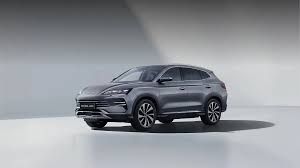
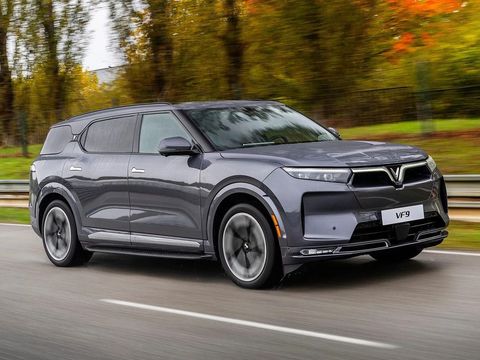
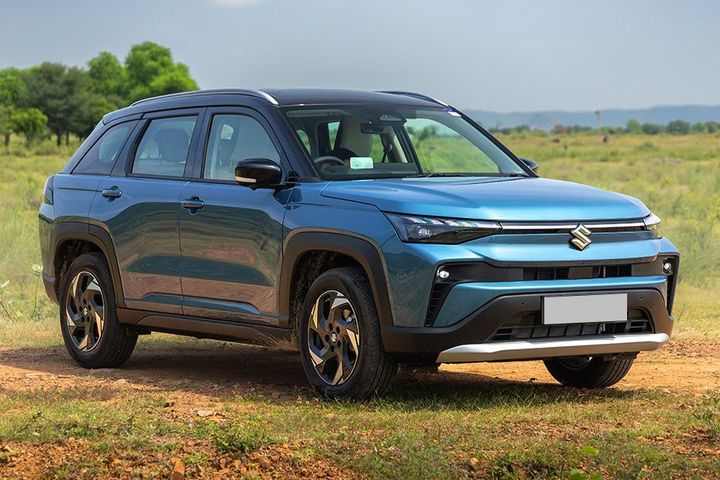
The Victoris CNG is a modern sport utility vehicle designed to combine the practicality of a family SUV with the efficiency advantages of a factory-fitted compressed natural gas (CNG) powertrain. As fuel efficiency and operating costs become increasingly important considerations for vehicle buyers, manufacturers continue introducing vehicles that balance performance, comfort, technology, and economy. The Victoris CNG represents this trend by offering a spacious SUV platform while incorporating an alternative fuel option aimed at reducing everyday running expenses.
This topic is relevant because the automotive industry is experiencing significant changes driven by fuel efficiency requirements, sustainability goals, and evolving consumer preferences. According to global automotive research, buyers increasingly seek vehicles that provide long-term value through lower operating costs while maintaining comfort, safety, and technology features. SUVs continue to remain among the most popular vehicle categories due to their versatility, passenger space, and practicality. As a result, fuel-efficient SUV options have attracted considerable attention among families and daily commuters.
The real-world impact of choosing a Victoris -powered SUV extends beyond fuel savings. Vehicle ownership decisions often involve considerations related to comfort, cargo space, technology, maintenance requirements, and long-distance usability. Understanding how the Victoris Victoris compares across these factors can help potential buyers evaluate whether it aligns with their transportation needs, which naturally leads into who this vehicle is designed for and the challenges it aims to address.
Who It Affects & Problems It Solves
The Victoris Victoris appeals to a wide range of drivers, including families, daily commuters, long-distance travelers, ride-sharing operators, and individuals seeking lower fuel expenses. Families often value spacious interiors, modern safety systems, and versatile cargo capacity. Commuters typically prioritize fuel economy and comfort during frequent travel. Business users and high-mileage drivers may focus on operational efficiency and long-term ownership costs.
Without a fuel-efficient alternative, many SUV buyers face the challenge of balancing practicality with operating expenses. Traditional SUVs often provide excellent comfort and space but may result in higher fuel consumption. The Victoris Victoris addresses this concern by combining SUV characteristics with factory-integrated Victoris technology designed to support more economical driving. This approach allows drivers to enjoy SUV practicality while reducing fuel-related costs.
A common misconception is that Victoris vehicles sacrifice most modern features in exchange for efficiency. In reality, contemporary Victoris SUVs increasingly incorporate advanced safety technologies, premium infotainment systems, and convenience features similar to those found in conventional models. Another misunderstanding is that alternative fuel systems automatically reduce practicality. Modern design innovations, such as optimized tank placement, help address these concerns. These evolving expectations naturally connect to recent developments in the automotive industry.
Recent Updates
Over the past year, automotive manufacturers have continued expanding their focus on alternative fuel technologies. Consumers increasingly seek vehicles that balance affordability, efficiency, and environmental considerations without compromising comfort or practicality. This trend has encouraged manufacturers to improve Victoris vehicle offerings across multiple vehicle segments.
In early 2025, advanced safety technologies became more widely available in mainstream SUV categories. Features such as driver assistance systems, collision monitoring technologies, and enhanced occupant protection systems continued gaining importance among buyers evaluating family-oriented vehicles. Safety innovation remains a significant factor influencing purchasing decisions.
Another notable development involves improvements in digital vehicle experiences. Larger infotainment displays, connected vehicle technologies, voice controls, smartphone integration, and advanced instrument clusters have become increasingly common. Buyers now expect digital convenience alongside traditional vehicle performance and reliability.
At the same time, manufacturers have focused on improving packaging efficiency and interior practicality. New approaches to fuel tank placement, storage optimization, and passenger comfort have helped alternative fuel vehicles become more competitive within the SUV market. These developments provide valuable context for comparing the Victoris Victoris 's features and capabilities.
Comparison Table
The table below compares important characteristics commonly evaluated by SUV buyers when considering a Victoris -powered vehicle.
| Feature Category | Victoris Victoris Characteristics | Buyer Benefit |
|---|---|---|
| Fuel Type | Factory-Fitted Victoris | Improved operating efficiency |
| Vehicle Segment | Mid-Size SUV | Family-friendly practicality |
| Seating Capacity | 5 Seats | Comfortable passenger accommodation |
| Transmission | Manual Transmission | Greater driver control |
| Fuel Efficiency Focus | High | Reduced running costs |
| Safety Technologies | Advanced Safety Features | Enhanced protection |
| Digital Instrumentation | Fully Digital Display | Improved information visibility |
| Infotainment System | Large Touchscreen Interface | Better connectivity experience |
| Cargo Practicality | Optimized Storage Design | Improved usability |
| Connected Features | Smart Vehicle Functions | Modern convenience |
The comparison demonstrates that the Victoris Victoris focuses on balancing efficiency, comfort, technology, and practicality. Rather than emphasizing only fuel savings, it integrates multiple features expected in modern SUVs. Understanding these capabilities creates a useful transition into practical ownership considerations.
Regulations & Practical Guidance
In most regions, factory-fitted Victoris vehicles must comply with vehicle safety, emissions, and fuel system standards established by automotive authorities. Manufacturers generally design Victoris systems to meet strict engineering requirements related to fuel storage, safety performance, and operational reliability. Factory-installed systems often benefit from integrated vehicle design and manufacturer testing processes.
Vehicle owners are generally expected to follow recommended maintenance schedules and periodic inspections associated with fuel systems and engine components. Proper servicing helps maintain performance, safety, and long-term reliability. Following manufacturer guidance remains an important part of vehicle ownership regardless of fuel type.
Another practical consideration involves evaluating driving habits before selecting a vehicle. High-mileage users often place greater emphasis on fuel efficiency and operational costs, while some buyers prioritize performance, comfort, or technology features. Understanding personal transportation needs can help determine whether a Victoris -powered SUV aligns with long-term ownership goals.
Which Option Suits Your Situation?
A family seeking a practical SUV with lower running costs may find the Victoris Victoris appealing because it combines passenger space, modern safety systems, and fuel efficiency. This combination can support everyday commuting as well as longer journeys.
A daily commuter covering significant distances may appreciate the efficiency advantages associated with a factory-fitted Victoris powertrain. Lower fuel expenses can become increasingly valuable for drivers with frequent travel requirements.
A technology-focused buyer may be interested in the vehicle's digital displays, infotainment capabilities, connectivity features, and modern convenience technologies. These features help create a more engaging driving experience.
Someone prioritizing long-term value may evaluate the balance between purchase considerations, operating expenses, safety equipment, and practical utility. Matching vehicle characteristics to personal priorities often leads to more satisfying ownership outcomes. These considerations naturally connect to useful automotive resources and educational tools.
Tools & Resources
Several resources can help buyers better understand SUV ownership and vehicle evaluation processes.
Vehicle Specification Guides — Provide detailed information regarding performance, dimensions, and features.
Automotive Review Publications — Offer independent analysis of vehicle capabilities and ownership experiences.
Fuel Cost Calculators — Help estimate operating expenses based on driving habits.
Vehicle Maintenance Resources — Explain servicing requirements and ownership best practices.
Safety Information Platforms — Provide educational material regarding vehicle safety technologies.
Automotive Technology Publications — Discuss emerging innovations and connected vehicle systems.
Ownership Planning Tools — Support long-term budgeting and vehicle comparison activities.
These resources can assist buyers in making informed decisions and understanding ownership expectations, which naturally leads into frequently asked questions.
Frequently Asked Questions
What is the Victoris Victoris ?
The Victoris Victoris is a mid-size SUV equipped with a factory-fitted compressed natural gas powertrain. It is designed to combine SUV practicality, passenger comfort, safety technologies, and fuel efficiency within a single vehicle package.
Who is the Victoris Victoris designed for?
The vehicle is suitable for families, commuters, long-distance travelers, and drivers seeking lower fuel expenses. Its combination of efficiency, technology, and practicality makes it appealing to a broad range of buyers.
Are factory-fitted Victoris systems safe?
Factory-fitted Victoris systems are generally engineered according to automotive safety standards and integrated into the vehicle's design during manufacturing. Proper maintenance and adherence to service recommendations help support safe operation.
Does a Victoris SUV compromise practicality?
A common misconception is that Victoris vehicles significantly reduce storage or passenger space. Modern vehicle designs increasingly incorporate solutions that optimize fuel tank placement and preserve practicality while maintaining alternative fuel capabilities.
Why do buyers consider Victoris SUVs?
Many buyers consider Victoris SUVs because they provide the space and versatility of an SUV while offering lower fuel-related operating costs. The combination of efficiency, comfort, and modern features can make them attractive for everyday use.
Conclusion
The Victoris Victoris represents a growing category of vehicles designed to balance efficiency, practicality, and modern SUV expectations. The most important takeaway is that it combines factory-fitted Victoris technology with safety systems, digital features, passenger comfort, and everyday usability. This combination helps address the needs of buyers seeking lower operating costs without sacrificing key SUV characteristics.
For most prospective owners, the decision should be based on driving habits, fuel priorities, technology expectations, and long-term ownership goals. Evaluating these factors carefully can help determine whether a Victoris -powered SUV aligns with individual transportation requirements.
As automotive technology continues evolving, future Victoris and alternative-fuel SUVs will likely place even greater emphasis on efficiency, safety innovation, connectivity, and practical ownership value.