Vacation Resorts: Complete Guide to Destinations, Amenities, and Stays
Vacation resorts are popular travel destinations designed to provide relaxation, recreation, and comfortable accommodation in one location.
They combine lodging, dining, entertainment, and leisure activities to create a complete holiday experience for travelers.
Whether someone is planning a family vacation, a romantic getaway, or a luxury travel experience, resorts provide a convenient environment where guests can enjoy various activities without traveling far from their accommodation. As tourism continues to grow worldwide, vacation resorts remain an important part of the hospitality industry and modern travel planning.
Understanding how resorts work, the different types available, and the amenities they provide can help travelers make informed decisions when choosing their next holiday destination.
Understanding the Concept
A vacation resort is a destination that combines accommodation with recreational facilities and amenities designed for leisure and relaxation. Unlike traditional hotels, resorts typically provide a broader range of activities and experiences within the property.
Many resorts are located near attractive natural settings such as beaches, mountains, lakes, forests, or tropical islands. Others are situated near cultural attractions, entertainment districts, or adventure tourism destinations.
The primary goal of a resort is to create an environment where guests can enjoy multiple aspects of a vacation in one location. This convenience makes resorts attractive for travelers seeking comfort and organized holiday experiences.
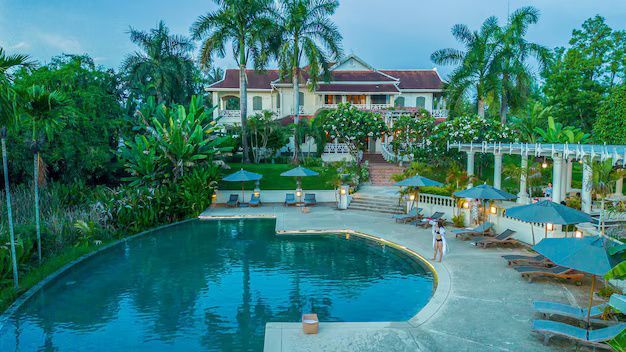
Resorts often include features such as swimming pools, wellness centers, restaurants, sports facilities, entertainment programs, and guided activities. These elements help create a memorable travel experience for guests of different ages and interests.
Key Types or Categories
Vacation resorts come in several forms, each designed to meet different travel preferences.
Beach Resorts
Beach resorts are located along coastlines and provide direct access to the ocean.
Popular features include:
- Private beach areas
- Water sports activities
- Ocean-view rooms
- Swimming pools
- Sunset dining experiences
These resorts are popular among families, couples, and travelers seeking relaxation near the sea.
Mountain Resorts
Mountain resorts are situated in elevated regions and often focus on outdoor recreation.
Common attractions include:
- Hiking trails
- Scenic viewpoints
- Nature excursions
- Winter sports activities
- Wellness retreats
These destinations attract travelers interested in natural landscapes and adventure tourism.
Luxury Resorts
Luxury resorts focus on premium accommodation and high-end amenities.
Guests often enjoy:
- Spacious suites
- Fine dining experiences
- Private villas
- Spa facilities
- Personalized travel experiences
Luxury travel continues to be a growing segment within the tourism industry.
Family Resorts
Family-oriented resorts provide facilities designed for guests of all ages.
Examples include:
- Children's activity areas
- Family entertainment programs
- Large swimming pools
- Recreational facilities
- Educational experiences
These resorts help families enjoy vacations together while providing activities suitable for children and adults.
Wellness Resorts
Wellness resorts focus on health, relaxation, and personal well-being.
Popular amenities include:
- Fitness centers
- Meditation sessions
- Spa treatments
- Healthy dining options
- Yoga programs
These destinations appeal to travelers seeking balance and relaxation during their stay.
Important Subsections
Accommodation Options
Resorts typically provide different accommodation styles to suit varying preferences.
Common options include:
- Standard rooms
- Suites
- Villas
- Bungalows
- Family apartments
The choice often depends on group size, travel purpose, and desired comfort level.
Dining Experiences
Dining is an important part of the resort experience.
Guests may enjoy:
- International cuisine
- Local specialties
- Outdoor dining
- Family-friendly menus
- Specialty restaurants
Many resorts emphasize regional food traditions to enhance the travel experience.
Recreational Activities
Activities vary depending on the location and resort type.
Examples include:
- Swimming
- Kayaking
- Golf
- Cycling
- Cultural workshops
- Guided nature tours
These experiences help guests remain active and engaged throughout their stay.
Entertainment Programs
Entertainment options often include:
- Live performances
- Cultural events
- Music programs
- Outdoor movie nights
- Seasonal celebrations
These activities contribute to a lively vacation atmosphere.
How It Works
The resort experience typically follows a simple process.
Step 1: Destination Selection
Travelers begin by selecting a destination based on their interests.
Factors may include:
- Climate
- Attractions
- Travel accessibility
- Available activities
- Accommodation preferences
Step 2: Reservation Planning
Guests choose accommodation and travel dates that align with their vacation goals.
Different room categories and packages may be available depending on the property.
Step 3: Arrival and Check-In
Upon arrival, guests complete the check-in process and receive information about resort facilities and activities.
Staff members often provide schedules and maps to help visitors navigate the property.
Step 4: Activity Participation
Guests can participate in various recreational programs throughout their stay.
Activities may include:
- Water sports
- Guided tours
- Wellness sessions
- Sports competitions
- Family events
Step 5: Departure and Travel Completion
At the end of the stay, guests complete check-out procedures and continue their travel plans.
Many travelers use their experiences to plan future vacations or explore similar destinations.
Benefits and Advantages
Vacation resorts provide several advantages that make them attractive travel options.
Convenience
Resorts bring accommodation, dining, recreation, and entertainment together in one location.
This reduces the need for extensive travel during a vacation.
Diverse Activities
Guests can participate in a wide range of experiences without leaving the property.
This flexibility allows travelers to customize their holiday according to personal interests.
Comfortable Environment
Resorts are designed to provide comfort and relaxation.
Well-maintained facilities contribute to a pleasant guest experience.
Family-Friendly Experiences
Many resorts provide activities suitable for multiple age groups.
Parents and children can enjoy shared experiences while also pursuing individual interests.
Access to Premium Amenities
Resorts often include amenities that may not be available at standard accommodation properties.
Examples include:
- Spa facilities
- Golf courses
- Water parks
- Adventure activities
- Wellness centers
Enhanced Travel Planning
Because many activities are available in one location, vacation planning becomes more organized and efficient.
This can simplify travel logistics and improve overall satisfaction.
Real-World Examples or Applications
Vacation resorts serve different purposes depending on traveler needs.
Family Holidays
A family visiting a beach destination may spend mornings swimming, afternoons participating in children's activities, and evenings enjoying entertainment programs together.
This variety helps create memorable vacation experiences.
Romantic Getaways
Couples often choose resorts for peaceful environments and scenic surroundings.
Private accommodations, dining experiences, and wellness facilities contribute to a relaxing atmosphere.
Corporate Retreats
Organizations sometimes use resorts for meetings, training events, and team-building activities.
Conference facilities combined with recreational opportunities create balanced professional gatherings.
Wellness Escapes
Travelers focused on health and relaxation may attend wellness programs that include fitness sessions, meditation classes, and healthy dining experiences.
These activities support personal well-being during travel.
Adventure Tourism
Mountain and nature-based resorts often attract travelers interested in outdoor activities such as hiking, cycling, wildlife observation, and exploration.
These experiences combine recreation with natural discovery.
Important Factors to Understand
Several considerations can influence the overall resort experience.
Location
The surrounding environment plays a major role in determining available activities and attractions.
Beach, mountain, desert, and island locations each provide unique experiences.
Amenities
Travelers should understand which amenities are available before choosing a destination.
Common amenities include:
- Swimming pools
- Fitness facilities
- Restaurants
- Recreational areas
- Entertainment venues
Accessibility
Transportation options affect travel convenience.
Factors may include:
- Airport proximity
- Road connections
- Local transportation
- Regional infrastructure
Seasonal Conditions
Weather can significantly influence vacation experiences.
Travelers should research seasonal patterns before making travel plans.
Guest Preferences
Different travelers prioritize different experiences.
Some prefer relaxation and wellness, while others seek adventure, cultural exploration, or family activities.
Understanding personal priorities helps identify the most suitable resort destination.
Future Trends and Industry Insights
The vacation resort industry continues evolving to meet changing traveler expectations.
Sustainable Tourism
Environmental awareness is encouraging many resorts to adopt sustainable tourism practices.
Examples include:
- Energy-efficient facilities
- Water conservation initiatives
- Waste reduction programs
- Environmental education activities
Smart Hospitality Technologies
Digital tools are improving guest experiences through streamlined reservations, mobile access, and personalized travel planning.
Technology continues to influence modern hospitality management.
Wellness-Focused Travel
Interest in wellness tourism continues to grow.
Future resorts may expand programs related to fitness, nutrition, mindfulness, and holistic well-being.
Experience-Based Travel
Modern travelers increasingly seek memorable experiences rather than simple accommodation.
Resorts are responding by creating immersive cultural, recreational, and educational activities.
Personalized Guest Experiences
Data-driven hospitality strategies are helping resorts better understand guest preferences and provide more tailored experiences.
This trend is expected to continue across the travel industry.
Conclusion
Vacation resorts play an important role in modern tourism by combining accommodation, recreation, dining, and entertainment in a single destination. From beach resorts and mountain retreats to luxury travel properties and wellness-focused destinations, resorts provide diverse experiences for travelers with different interests.
Understanding resort categories, amenities, activities, and travel considerations helps individuals make informed vacation decisions. As the hospitality industry continues evolving through sustainability initiatives, wellness programs, and technology integration, vacation resorts are likely to remain a popular choice for travelers seeking convenience, comfort, and memorable experiences.
Whether planning a family holiday, romantic escape, wellness retreat, or adventure journey, a well-chosen resort can create an enjoyable and rewarding travel experience.