Upcoming Kia Syros EV Overview: Learn Basics, Suggestions, Insights, and Resources
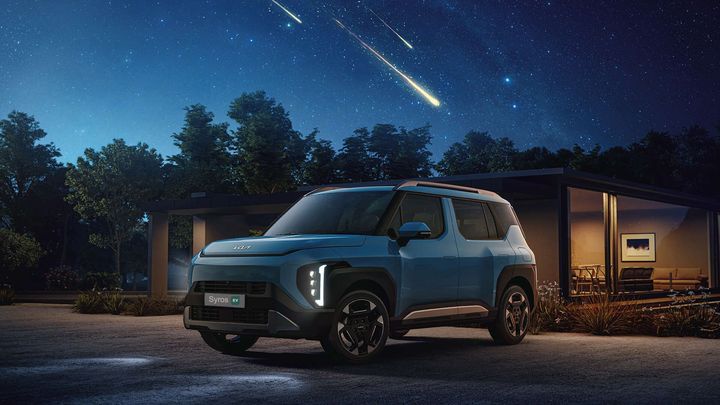
The automotive industry is experiencing a major transition toward electric mobility, and many manufacturers are expanding their electric vehicle portfolios to meet changing consumer preferences and environmental goals. The upcoming Kia Syros EV is expected to become part of this growing movement, combining modern vehicle technology with electric powertrain innovation.
The Kia Syros platform has already attracted attention because of its compact SUV design, practical features, and focus on modern mobility solutions. An electric version is anticipated to build on these characteristics while incorporating battery-electric technology designed to reduce emissions and improve energy efficiency.
Electric vehicles (EVs) have become increasingly important as governments, businesses, and consumers seek alternatives to conventional internal combustion engine vehicles. The upcoming Kia Syros EV represents another example of how manufacturers are adapting to evolving transportation needs.
Key topics associated with the upcoming Kia Syros EV include:
- Electric vehicle technology
- Battery performance
- Charging infrastructure
- Sustainable transportation
- Connected vehicle systems
- Advanced driver assistance technologies
- Energy efficiency innovations
These areas continue to attract attention from automotive analysts, transportation planners, environmental researchers, and consumers interested in the future of mobility.
Why the Kia Syros EV Matters Today
Electric vehicles have moved beyond being niche transportation options. They are increasingly becoming part of mainstream transportation planning and automotive development strategies worldwide.
The upcoming Kia Syros EV may be significant because it could help broaden access to compact electric SUVs, a vehicle category that continues to experience strong growth.
Some reasons why this topic matters include:
| Area | Importance |
|---|---|
| Sustainability | Supports lower vehicle emissions compared with traditional fuel-powered vehicles |
| Energy Efficiency | Electric drivetrains typically convert energy more efficiently |
| Urban Mobility | Compact SUVs can suit modern city transportation needs |
| Technology Adoption | Encourages broader understanding of EV technologies |
| Infrastructure Growth | Supports expansion of charging networks |
The potential audience interested in the Kia Syros EV includes:
- First-time EV learners
- Technology enthusiasts
- Automotive researchers
- Transportation planners
- Fleet analysts
- Environmental policy observers
- Urban mobility stakeholders
Electric vehicles also address several transportation challenges:
- Reduction of tailpipe emissions
- Lower dependence on conventional fuels
- Integration with renewable energy systems
- Enhanced vehicle software capabilities
- Improved energy management technologies
As electric mobility expands globally, vehicles like the Kia Syros EV may contribute to broader discussions about sustainable transportation ecosystems.
Recent Updates and Industry Developments
The electric vehicle market has seen substantial developments throughout 2025 and 2026. Manufacturers continue to invest in battery innovation, software-defined vehicles, and charging infrastructure improvements.
Recent trends affecting vehicles such as the Kia Syros EV include:
| Trend | Description |
|---|---|
| Battery Advancements | Improved battery density and efficiency |
| Fast Charging Expansion | Increased deployment of rapid charging stations |
| Connected Vehicles | Enhanced vehicle software and connectivity features |
| Smart Energy Management | Better battery monitoring systems |
| Safety Technologies | Expansion of driver assistance systems |
Industry reports during 2025 highlighted continued growth in compact electric SUV demand. Many manufacturers introduced or announced electric versions of existing vehicle platforms to meet changing market expectations.
Several developments from the past year have influenced EV planning:
- Expansion of public charging networks
- Increased focus on battery recycling initiatives
- Growth in vehicle software update capabilities
- Improvements in battery thermal management systems
- Continued investment in EV manufacturing facilities
The following chart illustrates general trends in EV market development over recent years.
| EV Industry Trend | Growth Direction |
|---|---|
| Charging Infrastructure | ▲ Increasing |
| Battery Technology | ▲ Increasing |
| Vehicle Connectivity | ▲ Increasing |
| Consumer Awareness | ▲ Increasing |
| Sustainability Programs | ▲ Increasing |
Experts expect future EV models to emphasize:
- Longer driving ranges
- Faster charging capabilities
- Enhanced digital interfaces
- Improved battery durability
- Greater integration with smart mobility systems
The upcoming Kia Syros EV is likely to be influenced by these broader industry developments.
How Laws and Policies Influence Electric Vehicles
Electric vehicles operate within a framework shaped by environmental regulations, transportation policies, and automotive safety standards.
Governments worldwide have introduced programs and regulations aimed at supporting cleaner transportation technologies. These initiatives often influence vehicle design, manufacturing processes, charging infrastructure expansion, and battery development.
Common policy areas affecting electric vehicles include:
- Vehicle safety regulations
- Battery transportation standards
- Charging infrastructure guidelines
- Environmental compliance requirements
- Energy efficiency targets
- Recycling and sustainability frameworks
Examples of policy objectives commonly seen across many countries include:
| Policy Focus | Purpose |
|---|---|
| Emission Reduction Goals | Lower transportation-related emissions |
| EV Infrastructure Programs | Support charging network growth |
| Battery Recycling Rules | Encourage responsible battery management |
| Vehicle Safety Standards | Improve driver and passenger protection |
| Renewable Energy Integration | Support cleaner electricity sources |
Automotive manufacturers developing EV models must generally ensure compliance with:
- Crash safety standards
- Battery safety requirements
- Electrical system regulations
- Cybersecurity guidelines
- Data privacy requirements
- Environmental reporting obligations
As regulations continue evolving, electric vehicle development increasingly incorporates sustainability and technology considerations from the earliest design stages.
Helpful Tools and Resources for Learning About EVs
Understanding electric vehicles often becomes easier when using reliable educational resources and digital tools.
Several categories of resources can help individuals learn more about vehicles such as the upcoming Kia Syros EV.
EV Range Calculators
These tools estimate potential driving range based on:
- Battery capacity
- Driving conditions
- Weather factors
- Speed patterns
Charging Station Maps
Useful resources often provide information about:
- Public charging locations
- Charger availability
- Connector compatibility
- Network coverage
Battery Information Platforms
These resources help users understand:
- Battery technology
- Charging behavior
- Energy efficiency concepts
- Battery lifecycle management
Automotive Research Websites
Common topics include:
- Vehicle specifications
- Safety information
- Industry trends
- Sustainability reports
Energy Consumption Calculators
These tools can assist with understanding:
- Electricity usage
- Charging efficiency
- Energy management
- Environmental impact estimates
Useful resource categories include:
| Resource Type | Purpose |
|---|---|
| EV Calculators | Estimate range and efficiency |
| Charging Apps | Locate charging stations |
| Automotive Databases | Research vehicle specifications |
| Energy Tools | Understand electricity usage |
| Policy Portals | Learn about transportation regulations |
Educational resources remain valuable for anyone seeking a deeper understanding of electric mobility and future vehicle technologies.
Frequently Asked Questions
What is the Kia Syros EV?
The Kia Syros EV is an anticipated electric version of the Kia Syros compact SUV platform. It is expected to utilize a battery-electric powertrain rather than a conventional fuel-powered engine.
Why are compact electric SUVs becoming popular?
Compact electric SUVs combine practical interior space with electric vehicle efficiency. They also align with growing interest in sustainable transportation and modern vehicle technology.
How does an electric vehicle differ from a traditional vehicle?
Electric vehicles use electric motors powered by rechargeable batteries instead of internal combustion engines. This changes how energy is stored and delivered to the vehicle.
What factors affect EV driving range?
Driving range can be influenced by:
- Battery size
- Driving speed
- Weather conditions
- Terrain
- Vehicle load
- Use of climate control systems
Are charging networks expanding?
Yes. Many regions have increased investments in charging infrastructure during recent years. Growth in public charging stations remains an important part of broader EV adoption efforts.
What technologies are commonly found in modern EVs?
Many modern EVs include:
- Regenerative braking systems
- Battery management software
- Digital dashboards
- Connected vehicle features
- Driver assistance technologies
- Smart charging capabilities
Conclusion
The upcoming Kia Syros EV reflects the broader transformation occurring throughout the global automotive industry. As manufacturers continue investing in electric mobility, compact electric SUVs are becoming increasingly important within transportation planning and consumer awareness discussions.
Interest in vehicles like the Kia Syros EV is driven by advancements in battery technology, charging infrastructure expansion, digital vehicle systems, and sustainability objectives. These developments are helping shape the future of mobility while encouraging greater understanding of electric transportation solutions.
For individuals exploring electric vehicle technology, the Kia Syros EV serves as an example of how modern automotive platforms are evolving to meet changing environmental, technological, and transportation expectations. Continued developments in EV infrastructure, battery innovation, and regulatory frameworks are likely to influence how future electric vehicles are designed and used in the years ahead.