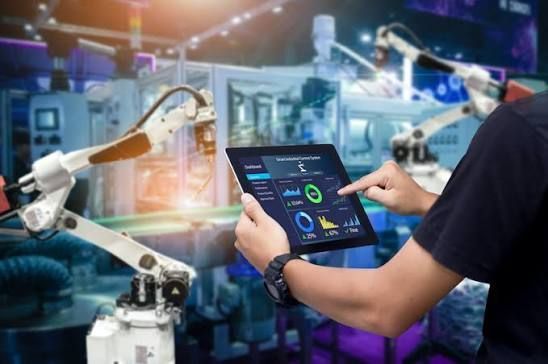
Smart Sensors and Actuators Guide: Explore Basics, Insights, Tips and Key Information
Smart sensors and actuators are important components of modern automation systems. They help machines, devices, and digital platforms collect information, analyze conditions, and perform actions automatically.
A smart sensor is a device that detects physical conditions such as temperature, pressure, motion, humidity, vibration, or light and converts them into digital information. Unlike traditional sensors, smart sensors often include processing capabilities, communication features, and data analysis functions.
An actuator is a device that converts signals into physical movement or action. Examples include motors, valves, relays, and robotic components. Smart actuators can receive digital instructions, monitor performance, and adjust operations automatically.
The development of smart sensors and actuators became necessary as industries, cities, transportation systems, and connected devices required better automation, higher efficiency, and real-time monitoring.
Today, these technologies form the foundation of Industrial IoT (IIoT), smart manufacturing, autonomous systems, and advanced infrastructure management.
How Smart Sensors and Actuators Work
A typical smart system follows a simple process:
- Sensors collect environmental or operational data.
- Embedded processors analyze the information.
- Communication modules transmit data through networks.
- Software platforms interpret results.
- Actuators execute physical actions based on instructions.
For example, in a manufacturing facility, a vibration sensor may detect unusual machine behavior. The monitoring system analyzes the data and instructs an actuator to reduce machine speed or activate a safety mechanism.
Key Components of a Smart Automation System
| Component | Function |
|---|---|
| Smart Sensor | Detects and measures conditions |
| Microprocessor | Processes collected data |
| Communication Module | Transfers information |
| Control System | Makes operational decisions |
| Smart Actuator | Performs physical actions |
| Analytics Platform | Generates insights and reports |
Why Smart Sensors and Actuators Matter Today
The demand for automation has increased significantly across industries. Organizations seek better efficiency, reliability, safety, and operational visibility.
Smart sensors and actuators help achieve these goals by enabling data-driven decision-making and automated responses.
Their impact can be seen in:
- Industrial automation
- Smart buildings
- Healthcare technologies
- Energy management
- Transportation systems
- Environmental monitoring
- Agricultural technology
- Robotics and AI applications
Problems These Technologies Help Solve
Many operational challenges can be addressed through intelligent sensing and automated control.
These include:
- Equipment downtime
- Energy waste
- Manual inspection limitations
- Safety risks
- Process inefficiencies
- Delayed maintenance actions
- Limited operational visibility
For example, predictive maintenance systems use vibration, temperature, and pressure sensors to identify potential equipment failures before breakdowns occur.
Benefits of Smart Sensors and Actuators
| Benefit | Impact |
| Real-Time Monitoring | Faster decision-making |
| Predictive Maintenance | Reduced unexpected failures |
| Automation | Increased efficiency |
| Energy Optimization | Better resource management |
| Data Analytics | Improved operational insights |
| Safety Improvements | Faster response to risks |
Growth of Smart Sensor Technologies
The increasing adoption of Industrial IoT, Artificial Intelligence, and Edge Computing continues to drive innovation.
A simplified representation of technology adoption trends is shown below.
Technology Adoption Trend
Smart Sensors ████████████████████
Industrial IoT ██████████████████
Predictive Analytics ████████████████
Edge Computing ██████████████
AI Integration █████████████████
Wireless Networks ███████████████
Recent Updates and Industry Trends
The smart sensor and actuator market has experienced notable developments during the past year.
In 2025 and early 2026, several trends gained momentum:
- Increased adoption of AI-powered sensor platforms.
- Expansion of edge computing in industrial environments.
- Growing use of wireless industrial sensors.
- Improved cybersecurity features for connected devices.
- Greater integration with digital twin technologies.
- Advances in low-power sensor architectures.
Manufacturers increasingly focus on intelligent sensing systems capable of processing information directly at the device level rather than sending all data to centralized systems.
Another major trend involves predictive maintenance platforms that combine machine learning algorithms with smart vibration and condition-monitoring sensors.
Digital twin projects have also expanded, allowing organizations to simulate equipment performance using real-time sensor data.
Emerging Applications
Recent deployments have been observed in:
- Autonomous vehicles
- Smart energy grids
- Connected healthcare devices
- Warehouse automation
- Intelligent transportation systems
- Agricultural monitoring networks
- Smart water management systems
The integration of Artificial Intelligence with sensing technologies continues to improve accuracy, efficiency, and operational responsiveness.
Laws, Regulations and Policy Considerations
Smart sensors and actuators operate within regulatory frameworks that vary by country and industry.
Several policy areas commonly affect deployment:
Data Privacy Regulations
Many smart systems collect operational and environmental data. Organizations must comply with data privacy requirements regarding collection, storage, processing, and transmission.
Important considerations include:
- Data security controls
- User privacy protections
- Data retention requirements
- Access management practices
Industrial Safety Standards
Industrial facilities often follow equipment and automation standards designed to ensure operational safety.
These standards may address:
- Machine safety
- Functional safety systems
- Emergency shutdown procedures
- Risk management practices
Cybersecurity Frameworks
As connected devices become more common, governments and industry groups increasingly emphasize cybersecurity requirements.
Key focus areas include:
- Device authentication
- Secure communication protocols
- Software update management
- Network protection controls
Energy Efficiency Programs
Many governments support energy optimization initiatives that encourage adoption of intelligent monitoring technologies.
Smart sensing systems help organizations:
- Track energy consumption
- Improve operational efficiency
- Reduce waste
- Support sustainability goals
Environmental Monitoring Requirements
Environmental regulations often require monitoring of emissions, water quality, air quality, and industrial processes.
Smart sensors play a critical role in collecting accurate and timely environmental information.
Useful Tools and Resources
Several technologies support smart sensor and actuator implementation.
Simulation and Design Tools
- MATLAB
- Simulink
- LabVIEW
- AutoCAD Electrical
- SolidWorks Electrical
These platforms assist with modeling, testing, and system design.
IoT Development Platforms
- Arduino
- Raspberry Pi
- ESP32 Development Boards
- Industrial IoT Gateways
- Edge Computing Platforms
These tools help engineers develop and test connected sensor solutions.
Monitoring and Analytics Platforms
- SCADA Systems
- Predictive Maintenance Platforms
- Asset Monitoring Dashboards
- Digital Twin Software
- Industrial Data Historians
Communication Technologies
- Wi-Fi
- Bluetooth Low Energy
- Zigbee
- LoRaWAN
- Industrial Ethernet
- 5G Networks
These technologies support communication between devices and control systems.
Educational Resources
Helpful learning resources include:
- Industrial automation publications
- Engineering research journals
- Technical standards organizations
- IoT technology documentation
- Robotics and control system guides
Frequently Asked Questions
What is the difference between a sensor and an actuator?
A sensor detects and measures conditions such as temperature, pressure, or motion. An actuator performs a physical action, such as moving a motor, opening a valve, or activating equipment.
Where are smart sensors commonly used?
Smart sensors are widely used in manufacturing, healthcare, transportation, agriculture, smart buildings, energy systems, and environmental monitoring applications.
How do smart actuators improve automation?
Smart actuators can receive digital commands, monitor their own performance, and adjust operations automatically, improving efficiency and reducing manual intervention.
What role does Artificial Intelligence play in smart sensing?
Artificial Intelligence helps analyze sensor data, identify patterns, predict equipment failures, and support automated decision-making processes.
Are smart sensors important for predictive maintenance?
Yes. Predictive maintenance relies heavily on sensor data such as vibration, temperature, pressure, and equipment condition information to identify issues before failures occur.
Conclusion
Smart sensors and actuators have become fundamental technologies in modern automation, Industrial IoT, and digital transformation initiatives. By combining sensing, data processing, communication, and automated control, these devices enable more intelligent and responsive systems.
Their applications continue to expand across manufacturing, healthcare, transportation, energy management, and environmental monitoring. Recent advancements in Artificial Intelligence, edge computing, wireless connectivity, and predictive analytics are further increasing their capabilities.
As industries continue to prioritize efficiency, safety, sustainability, and operational intelligence, smart sensors and actuators will remain essential components of connected and automated ecosystems. Organizations, researchers, and technology professionals increasingly rely on these systems to support real-time decision-making, improve performance, and address complex operational challenges in a rapidly evolving digital world.