Mercedes-AMG E53 PHEV Complete Guide: Discover Technology, Range, Tips and Information
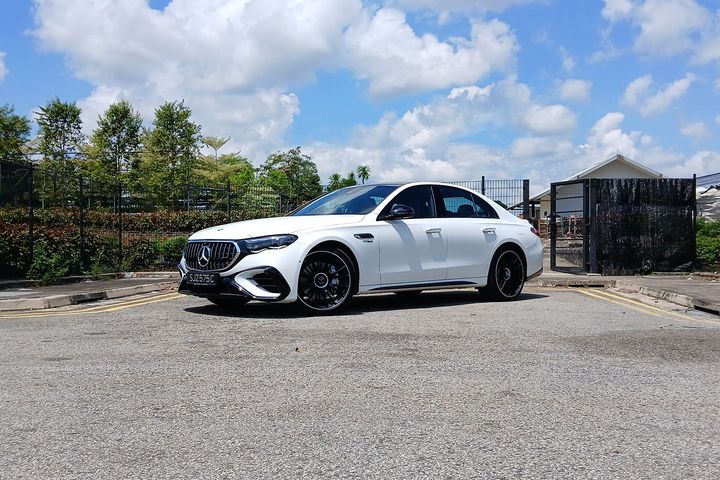
The Mercedes-AMG E53 PHEV is a plug-in hybrid performance sedan that combines a gasoline engine with an electric motor and rechargeable battery system. It belongs to the growing category of electrified performance vehicles designed to deliver strong driving capabilities while reducing fuel consumption and emissions during everyday use.
The development of plug-in hybrid vehicles reflects a broader shift in the automotive industry toward electrification. Manufacturers are introducing advanced hybrid systems to balance performance, efficiency, and environmental considerations. The E53 PHEV represents this transition by integrating AMG performance engineering with modern battery technology.
Unlike conventional hybrid vehicles, a plug-in hybrid electric vehicle (PHEV) can be charged externally through compatible charging equipment. This allows the vehicle to operate in electric-only mode for certain distances before switching to hybrid operation. The combination of electric propulsion and internal combustion technology aims to provide flexibility for different driving conditions.
Key Specifications Overview
| Feature | Overview |
|---|---|
| Vehicle Type | Performance Plug-in Hybrid Sedan |
| Powertrain | Turbocharged Engine + Electric Motor |
| Battery Type | High-Voltage Lithium-Ion Battery |
| Charging Capability | AC and DC Charging Support |
| Drive System | Performance-Oriented Hybrid Setup |
| Driving Modes | Electric, Hybrid, Sport and Individual Modes |
| Technology Focus | Efficiency, Performance and Connectivity |
Why the Mercedes-AMG E53 PHEV Matters Today
The automotive sector is undergoing significant transformation due to stricter emissions standards, technological advancements, and growing interest in electrified transportation. Vehicles such as the Mercedes-AMG E53 PHEV highlight how manufacturers are adapting to these changes.
One important aspect is the ability to reduce fuel consumption during short daily trips. Drivers can use electric power for urban travel while maintaining access to a traditional engine for longer journeys. This flexibility addresses concerns related to charging infrastructure availability and driving range.
The model is also relevant for individuals interested in advanced automotive technology. Modern plug-in hybrids incorporate sophisticated battery management systems, regenerative braking, intelligent energy recovery, and connected vehicle features.
Key benefits associated with this type of technology include:
- Reduced tailpipe emissions during electric operation
- Improved energy efficiency in mixed driving conditions
- Enhanced acceleration through combined power sources
- Greater flexibility compared with fully electric vehicles
- Support for evolving environmental regulations
The vehicle also demonstrates how performance-focused brands are integrating electrification without completely abandoning traditional driving characteristics.
Technology Features and Range Insights
The E53 PHEV incorporates multiple technologies designed to optimize both performance and efficiency.
Hybrid Powertrain Architecture
The hybrid system combines a turbocharged engine with an electric motor. The electric motor can assist the engine during acceleration or independently power the vehicle under certain conditions.
This setup enables smooth transitions between power sources while maintaining performance-oriented driving characteristics.
Battery Management System
Modern battery management software continuously monitors:
- Battery temperature
- Charging status
- Energy consumption
- Power delivery
- Regenerative braking efficiency
These systems help maximize battery longevity and operational efficiency.
Regenerative Braking
Regenerative braking captures energy normally lost during deceleration and converts it into electricity stored within the battery pack.
Benefits include:
- Improved energy recovery
- Reduced energy waste
- Enhanced overall efficiency
- Lower dependence on external charging
Connected Vehicle Technologies
The E53 PHEV includes advanced digital systems that may provide:
- Navigation integration
- Charging information
- Energy flow monitoring
- Vehicle status updates
- Driver assistance support
Illustrative Energy Flow Diagram
| Driving Situation | Primary Energy Source | Secondary Support |
| City Driving | Electric Motor | Hybrid Assistance |
| Highway Cruising | Engine | Electric Support |
| Acceleration | Engine + Motor | Combined Output |
| Braking | Regenerative System | Battery Charging |
| Charging Session | External Power Source | Battery Storage |
Recent Updates and Industry Developments
The plug-in hybrid market has continued evolving throughout 2025 and 2026 as manufacturers invest heavily in electrification technologies.
Recent developments include:
- Improvements in battery energy density
- Faster charging capabilities
- Enhanced electric-only driving ranges
- More advanced thermal management systems
- Expanded integration of software-based vehicle controls
Industry reports released during 2025 highlighted growing adoption of plug-in hybrid vehicles across multiple markets. Automotive manufacturers have also focused on increasing efficiency while maintaining vehicle performance.
Several luxury and performance brands introduced updated electrified models featuring larger battery capacities and more advanced driver assistance technologies. The Mercedes-AMG E53 PHEV reflects these broader trends through its combination of electrification and performance engineering.
Another notable trend has been the increased use of predictive energy management systems. These systems use navigation data and driving conditions to optimize battery usage and energy recovery throughout a journey.
Electrification Trend Comparison
| Trend | Industry Direction |
| Battery Technology | Higher Energy Density |
| Charging Systems | Faster Charging Speeds |
| Software Integration | Greater Vehicle Intelligence |
| Driver Assistance | Expanded Safety Features |
| Energy Management | Predictive Optimization |
| Connectivity | Improved Digital Ecosystems |
Regulations and Policy Considerations
Automotive regulations play a significant role in shaping the development of plug-in hybrid vehicles.
Many countries have introduced stricter emissions standards designed to reduce greenhouse gas emissions from transportation. These policies encourage manufacturers to develop electrified vehicles and improve fleet efficiency.
Key regulatory areas affecting plug-in hybrids include:
- Carbon emission standards
- Fuel efficiency requirements
- Battery safety regulations
- Vehicle cybersecurity standards
- Charging infrastructure guidelines
Manufacturers must also comply with battery transportation and recycling requirements. These regulations aim to improve sustainability throughout the vehicle lifecycle.
In several regions, governments continue supporting broader electrification strategies through investments in charging networks and clean transportation initiatives. Such programs contribute to the growing relevance of plug-in hybrid technology.
Vehicle safety regulations have also evolved to address high-voltage electrical systems, ensuring that battery-powered vehicles meet strict performance and protection standards.
Helpful Tools and Resources
Individuals researching plug-in hybrid vehicles often use a variety of digital resources to understand technology, efficiency, and charging requirements.
Useful categories include:
Charging Network Platforms
These platforms help locate compatible charging stations and provide information about charger availability.
Examples include:
- ChargePoint
- PlugShare
- Electrify America
- Ionity
- Shell Recharge
Route Planning Tools
Navigation platforms can assist with:
- Trip planning
- Charging stop identification
- Energy consumption estimates
- Traffic-aware routing
Vehicle Efficiency Calculators
Efficiency calculators help estimate:
- Energy usage
- Charging requirements
- Driving range projections
- Battery performance metrics
Automotive Research Resources
Helpful information sources often include:
- Manufacturer technical documentation
- Automotive industry reports
- Transportation agency publications
- Vehicle safety organizations
- Electrification research institutions
Frequently Asked Questions
What does PHEV mean?
PHEV stands for Plug-in Hybrid Electric Vehicle. It combines an internal combustion engine with an electric motor and rechargeable battery that can be charged from an external power source.
How is a plug-in hybrid different from a standard hybrid?
A standard hybrid primarily charges its battery through regenerative braking and engine operation. A plug-in hybrid can also be charged externally, allowing longer periods of electric-only driving.
Can the Mercedes-AMG E53 PHEV operate using electric power alone?
Yes. Plug-in hybrid vehicles are designed to support electric-only driving under certain conditions, depending on battery charge level, speed, and driving mode.
What is regenerative braking?
Regenerative braking captures kinetic energy during deceleration and converts it into electrical energy stored in the battery. This helps improve overall efficiency.
Why are plug-in hybrid vehicles becoming more common?
Growing emissions regulations, advances in battery technology, improved charging infrastructure, and consumer interest in electrification have contributed to increased adoption of plug-in hybrid vehicles.
Conclusion
The Mercedes-AMG E53 PHEV represents an important step in the evolution of performance-oriented electrified vehicles. By combining a traditional engine with advanced electric propulsion technology, it demonstrates how manufacturers are adapting to changing environmental requirements and consumer expectations.
Its hybrid architecture, battery management systems, regenerative braking technology, and connected digital features reflect broader automotive industry trends focused on efficiency, performance, and intelligent vehicle operation. As battery technology and charging infrastructure continue to improve, plug-in hybrid vehicles are expected to remain a significant part of the transportation landscape.
Understanding how these systems work can help readers better evaluate modern automotive technology and the role electrification is playing in the future of mobility.