Understanding Warehouse Robotics and Their Role in Inventory Automation Systems
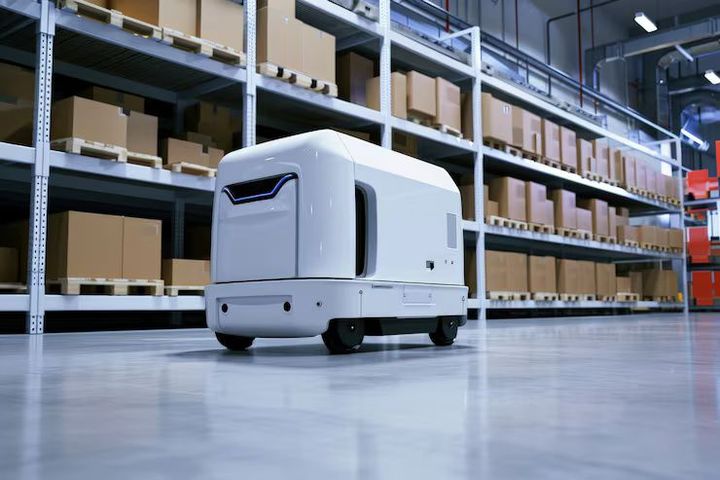
Warehouse robotics refers to the use of automated machines, intelligent systems, and robotic technologies within storage and distribution environments to improve inventory handling, material movement, order processing, and logistics coordination. These robotic systems may include autonomous mobile robots, robotic picking arms, automated conveyors, sorting technologies, and digitally connected inventory platforms that support faster and more organized warehouse operations. Warehouse robotics is increasingly used in retail distribution, manufacturing logistics, e-commerce fulfillment, food storage, pharmaceutical operations, and industrial supply chain management.
Globally, logistics and supply chain industries continue emphasizing automation, operational efficiency, and real-time inventory visibility as demand for faster product movement and scalable fulfillment operations increases. According to global logistics technology research, organizations increasingly invest in warehouse robotics and inventory automation systems to improve workflow coordination, reduce manual processing delays, and support high-volume distribution environments. This reflects the broader expansion of smart logistics infrastructure and digitally connected industrial operations.
In practical applications, warehouse robotics helps automate repetitive tasks such as inventory transportation, product sorting, shelf scanning, barcode verification, and order fulfillment coordination. Automated systems may also improve inventory tracking accuracy and operational consistency within busy distribution environments. Understanding how warehouse robotics function and support inventory automation highlights their growing importance in modern logistics and warehouse management systems.
Who It Affects & Problems It Solves
Warehouse robotics affects a wide global audience, including logistics providers, e-commerce businesses, manufacturing operations, retail distribution centers, pharmaceutical storage facilities, and supply chain management teams. Warehouse operators, inventory planners, automation engineers, and maintenance specialists also play important roles in supporting robotic infrastructure and inventory automation workflows.
Without automated inventory systems, warehouses may experience slower order processing, inventory inaccuracies, repetitive manual labor demands, operational bottlenecks, and reduced workflow visibility. Manual inventory handling may also increase the risk of misplaced products or delayed shipment coordination. Warehouse robotics helps solve these challenges by automating material movement and improving inventory management efficiency.
A common scenario involves large warehouses processing thousands of products daily through manual sorting and transportation methods. Over time, repetitive handling tasks may reduce operational speed and increase coordination complexity. Warehouse robotics improves workflow efficiency by automating repetitive logistics tasks and supporting real-time inventory visibility across distribution environments. These operational advantages naturally lead into recent developments shaping warehouse automation and logistics technologies.
Recent Updates
Over the past year, warehouse robotics technologies have evolved significantly through increased artificial intelligence integration and autonomous navigation systems. Modern robotic platforms increasingly use machine learning, computer vision, and sensor-based mapping technologies to improve movement accuracy and workflow coordination within warehouse environments.
Another important trend is the growing emphasis on scalable and modular automation systems. Industry data suggests that businesses increasingly prioritize flexible robotic infrastructure capable of adapting to changing inventory volumes and operational requirements.
Collaborative robotics and human-machine coordination technologies have also become more advanced. Many warehouses now use robotic systems designed to operate safely alongside human workers while supporting shared workflow management and improved operational efficiency.
Additionally, cloud-connected warehouse management systems and predictive analytics platforms continue gaining popularity. Businesses increasingly use digital monitoring tools and automated inventory tracking systems to improve order accuracy and operational planning. These developments provide useful context for comparing common warehouse robotics technologies and automation capabilities.
Comparison Table
The table below compares common warehouse robotics technologies based on operational functionality and inventory automation benefits.
| Warehouse Robotics Technology | Main Function | Automation Level | Operational Benefit | Inventory Impact |
|---|---|---|---|---|
| Autonomous Mobile Robots | Material transportation | High | Faster warehouse movement | Improved inventory flow |
| Robotic Picking Systems | Product selection and handling | Very high | Reduced manual picking | Better order accuracy |
| Automated Conveyor Systems | Continuous product movement | High | Faster logistics coordination | Improved processing speed |
| Robotic Sorting Systems | Product classification | Very high | Reduced sorting delays | Better inventory organization |
| Automated Storage Systems | Inventory storage management | High | Space optimization | Increased storage efficiency |
| Barcode Scanning Robots | Inventory verification | Moderate to high | Real-time product tracking | Reduced inventory errors |
| AI Navigation Systems | Smart warehouse movement | Very high | Improved route optimization | Faster workflow coordination |
| Collaborative Robotics | Human-assisted automation | High | Safer shared operations | Flexible workflow management |
| Drone Inventory Systems | Elevated inventory scanning | Moderate | Faster warehouse audits | Improved stock visibility |
| Smart Warehouse Platforms | Digital inventory coordination | Extremely high | Centralized operational control | Real-time inventory monitoring |
The comparison shows that different warehouse robotics systems support different logistics goals, from automated transportation and product sorting to inventory tracking and digital workflow coordination. Combining robotics with intelligent inventory management often helps improve operational efficiency and long-term logistics performance. Understanding these distinctions naturally leads into practical guidance and automation planning considerations.
Regulations & Practical Guidance
In many countries, warehouse automation environments and robotic operations are encouraged to follow workplace safety, equipment reliability, and operational monitoring practices. These standards generally focus on safe robotic interaction, infrastructure maintenance, and responsible automation management within logistics environments.
Globally, organizations increasingly prioritize scalable warehouse automation and real-time inventory visibility when investing in robotic systems. Operational flexibility, infrastructure integration, order processing speed, and maintenance planning often influence warehouse robotics decisions and long-term logistics strategies.
Another important consideration is workforce training and automation coordination. Warehouse robotics systems often operate alongside human teams, making employee training, safety awareness, and workflow integration important parts of successful automation planning.
Which Option Suits Your Situation?
For warehouses focused on material transportation and repetitive movement tasks, autonomous mobile robots and automated conveyor systems may support improved workflow efficiency and reduced manual handling.
For businesses requiring faster order fulfillment and inventory accuracy, robotic picking systems and automated sorting technologies may improve logistics coordination and operational precision.
For organizations prioritizing real-time inventory tracking and warehouse visibility, barcode scanning robots and smart warehouse management platforms may provide stronger inventory monitoring capabilities.
For facilities seeking flexible automation and safer human-machine collaboration, collaborative robotics and AI navigation systems may support adaptable workflow coordination and operational safety. Choosing the right warehouse robotics solution depends on inventory volume, automation goals, infrastructure complexity, and operational efficiency priorities. These considerations naturally lead into useful tools and resources.
Tools & Resources
Several tools and resources can help organizations better understand and manage warehouse robotics effectively.
Warehouse Management Platforms — support centralized inventory coordination and workflow visibility.
Robotics Monitoring Systems — provide real-time automation tracking and performance analytics.
Inventory Scanning Tools — assist with barcode verification and stock accuracy management.
Automation Maintenance Applications — help organize equipment inspections and servicing schedules.
Supply Chain Analytics Platforms — improve logistics planning and operational forecasting.
Industrial Automation Communities — enable professionals to exchange warehouse robotics insights and logistics strategies.
These resources support informed automation decisions and efficient warehouse management, leading naturally into frequently asked questions.
Frequently Asked Questions
What are warehouse robotics systems?
Warehouse robotics systems are automated technologies designed to support inventory handling, product movement, order processing, and logistics coordination within warehouse environments.
Why are warehouse robotics important in logistics?
These systems improve operational efficiency, reduce manual processing delays, enhance inventory accuracy, and support faster order fulfillment workflows.
What types of warehouse robots are commonly used?
Common systems include autonomous mobile robots, robotic picking technologies, conveyor automation systems, sorting robots, and barcode scanning platforms.
What is a common misconception about warehouse automation?
A common misconception is that warehouse robotics completely replace human workers. In reality, many systems are designed to support collaboration between automation technologies and warehouse teams.
How can organizations improve warehouse automation performance?
Organizations often improve performance through employee training, preventive maintenance, digital inventory tracking, and selecting robotics systems suited to operational requirements.
Conclusion
Warehouse robotics play an important role in supporting inventory automation, logistics efficiency, and operational scalability within modern supply chain environments. Their ability to automate repetitive tasks and improve inventory visibility makes them valuable tools across multiple distribution and fulfillment operations.
For most organizations, successful warehouse automation involves balancing robotics capabilities, infrastructure integration, workforce coordination, and long-term operational planning. Preventive maintenance and intelligent inventory management often contribute to stronger logistics performance and workflow reliability.
As global logistics technologies and automation systems continue evolving, warehouse robotics are expected to become more intelligent, collaborative, and integrated with advanced artificial intelligence and smart supply chain infrastructure solutions.