Jump to a Chapter

Understanding TATA Sierra EV Variants: Discover Guide, Tips, Explanation, Insights, and Help Resources

Understanding TATA Sierra EV Variants: Discover Guide, Tips, Explanation, Insights, and Help Resources

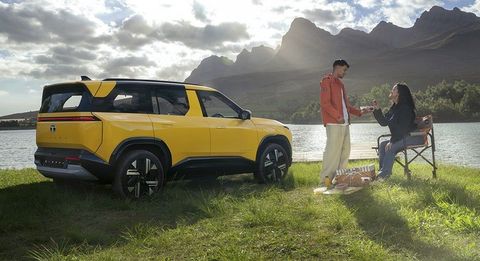
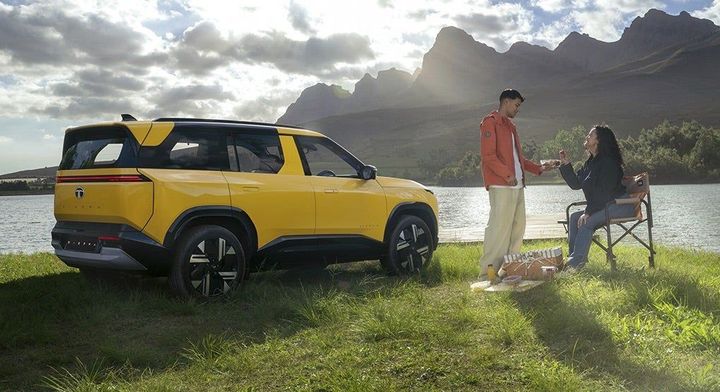
The TATA Sierra EV is an electric sport utility vehicle (SUV) developed as part of the growing transition toward vehicle electrification. Inspired by the legacy of the original Sierra model, the modern electric version combines contemporary technology with a familiar design identity.


As automotive manufacturers continue investing in electric mobility, electric SUVs have become an important segment due to their balance of passenger space, utility, and efficiency. The Sierra EV exists to support this shift by providing an electric vehicle platform designed around battery-powered transportation.

The concept reflects broader developments in the automotive industry, including advancements in battery technology, connected vehicle systems, digital dashboards, and energy-efficient powertrains. Different variants are expected to help accommodate varying consumer preferences related to driving range, technology features, and vehicle capabilities.

The emergence of models like the Sierra EV also aligns with global efforts to reduce transportation-related emissions and encourage the adoption of cleaner mobility solutions.

Importance: Why This Topic Matters Today

Electric vehicles have become a major area of interest for governments, manufacturers, environmental organizations, and consumers. Understanding Sierra EV variants helps readers better understand how electric vehicles are evolving and what factors influence vehicle configurations.

Several groups are affected by this transition:

  • Individuals researching electric transportation.
  • Families evaluating SUV vehicle categories.
  • Automotive industry professionals.
  • Environmental policy researchers.
  • Technology enthusiasts interested in connected mobility.

Electric vehicle variants typically address several challenges:

ChallengeHow EV Variants Help
Range requirementsDifferent battery configurations may support varying travel needs
Technology preferencesFeature packages can accommodate different user expectations
Energy efficiencyAdvanced battery management systems improve efficiency
Charging flexibilityCompatibility with multiple charging standards
Future mobility needsSoftware-enabled features support long-term functionality

Understanding vehicle variants also helps explain how manufacturers organize product portfolios. Rather than offering a single configuration, companies often develop multiple versions that differ in battery capacity, drivetrain setup, software capabilities, and interior technologies.

Another important factor is the increasing role of digital systems. Modern electric SUVs rely heavily on software integration, telematics, navigation systems, driver-assistance technologies, and battery monitoring tools.

Recent Updates, Trends, and Developments

The electric vehicle industry has experienced significant developments throughout 2025 and 2026.

Industry trends influencing vehicles such as the Sierra EV include:

  • Expansion of fast-charging networks.
  • Improvements in battery energy density.
  • Increased adoption of connected vehicle ecosystems.
  • Greater use of over-the-air software updates.
  • Enhanced driver assistance technologies.

The Sierra EV has been showcased through concept previews and industry exhibitions, generating interest among automotive analysts and EV observers. During 2025 and 2026, discussions surrounding production-ready versions focused on design refinement, electric architecture, battery integration, and digital cabin technologies.

The following chart illustrates general EV market trends influencing vehicles like the Sierra EV.

EV Industry TrendImpact Level
Fast Charging ExpansionHigh
Battery InnovationHigh
Connected Vehicle TechnologyHigh
Software UpdatesMedium-High
Autonomous FeaturesMedium
Smart Energy IntegrationMedium

Battery technology remains one of the most closely monitored areas. Manufacturers continue investing in improved thermal management systems, enhanced battery durability, and optimized charging performance.

Another major trend is the integration of advanced infotainment systems. Consumers increasingly expect features such as:

  • Cloud-connected navigation.
  • Smartphone integration.
  • Voice-based controls.
  • Digital instrument clusters.
  • Real-time vehicle diagnostics.

These developments shape expectations for future Sierra EV variants and similar electric SUV models.

Laws and Policies Affecting Electric Vehicles

Electric vehicles operate within a regulatory environment influenced by transportation, environmental, and energy policies.

Governments around the world continue introducing measures that support electrification through infrastructure planning, emissions regulations, and technology standards.

Key policy areas affecting electric vehicles include:

Policy AreaPurpose
Vehicle Safety StandardsEnsure occupant and pedestrian protection
Battery Safety RegulationsImprove battery reliability and testing
Charging StandardsSupport interoperability between charging networks
Emissions PoliciesEncourage lower-emission transportation
Recycling FrameworksPromote responsible battery disposal and reuse

Electric vehicle regulations often address:

  • Battery transportation requirements.
  • Charging connector standards.
  • Vehicle homologation procedures.
  • Cybersecurity requirements for connected vehicles.
  • Data privacy protections for digital systems.

Many regions have also introduced long-term transportation strategies that encourage cleaner mobility technologies. These policies influence how manufacturers develop electric vehicles and related technologies.

As electric mobility continues expanding, regulators increasingly focus on battery recycling, energy efficiency standards, and charging infrastructure compatibility.

Tools and Resources for Learning About Electric Vehicles

A variety of resources can help individuals understand electric vehicle technology and evaluate industry developments.

Useful categories include:

EV Range Calculators

These tools estimate driving range based on battery capacity, climate conditions, driving habits, and terrain.

Charging Station Maps

Interactive maps help users locate public charging infrastructure and understand charging availability across regions.

Battery Technology Resources

Educational platforms explain:

  • Lithium-ion batteries.
  • Battery management systems.
  • Charging cycles.
  • Thermal management.
  • Energy density concepts.

Vehicle Comparison Platforms

These resources allow users to compare:

  • Driving range.
  • Vehicle dimensions.
  • Charging specifications.
  • Safety technologies.
  • Connectivity features.

Automotive Research Websites

Industry publications regularly publish information regarding:

  • Electric SUV developments.
  • Battery innovations.
  • Charging technologies.
  • Regulatory changes.
  • Market trends.

The following resource categories are commonly used by EV researchers:

Resource TypeMain Purpose
EV CalculatorsRange and efficiency estimation
Charging AppsCharging station discovery
Research PublicationsIndustry analysis
Government Transportation PortalsPolicy information
Automotive DatabasesVehicle specifications

These resources help readers stay informed as electric vehicle technology evolves.

Frequently Asked Questions

What is a TATA Sierra EV variant?

A variant refers to a specific version of the Sierra EV that may differ in battery configuration, technology features, drivetrain setup, or equipment package.

Why do electric vehicles have multiple variants?

Manufacturers create multiple variants to address different user requirements related to range, technology preferences, vehicle performance, and functionality.

How important is battery technology in electric SUVs?

Battery technology is one of the most important components because it influences driving range, charging behavior, efficiency, durability, and overall vehicle performance.

What is a battery management system?

A battery management system (BMS) is software and hardware that monitors battery health, temperature, charging activity, and safety conditions to optimize performance.

How do charging networks affect EV adoption?

Accessible charging infrastructure improves convenience and supports broader electric vehicle usage by reducing concerns about charging availability during travel.

Are connected vehicle technologies common in modern EVs?

Yes. Most modern electric vehicles include digital connectivity features such as navigation systems, smartphone integration, vehicle diagnostics, and software updates.

Conclusion

The TATA Sierra EV represents a significant example of how electric SUVs are evolving within the broader shift toward sustainable transportation. Understanding its variants involves examining battery technology, electric powertrain architecture, charging capabilities, connected vehicle systems, and regulatory influences.

As the electric vehicle sector continues advancing through 2025 and 2026, innovations in battery efficiency, charging infrastructure, software integration, and safety technologies are expected to shape future Sierra EV configurations. For researchers, technology enthusiasts, and general readers, following developments in electric SUV platforms provides valuable insight into the future of mobility.

By understanding the purpose of vehicle variants, the role of battery management systems, evolving transportation policies, and available educational resources, readers can gain a clearer perspective on the technologies driving modern electric vehicles and the broader transformation of the automotive industry.

author-image

Harshit Sharma

We are a performance-driven media buying team focused on scaling brands through smart, data-backed advertising strategies

August 05, 2026 . 8 min read