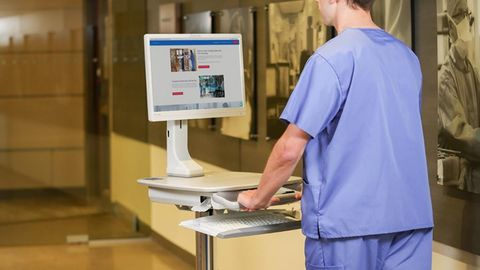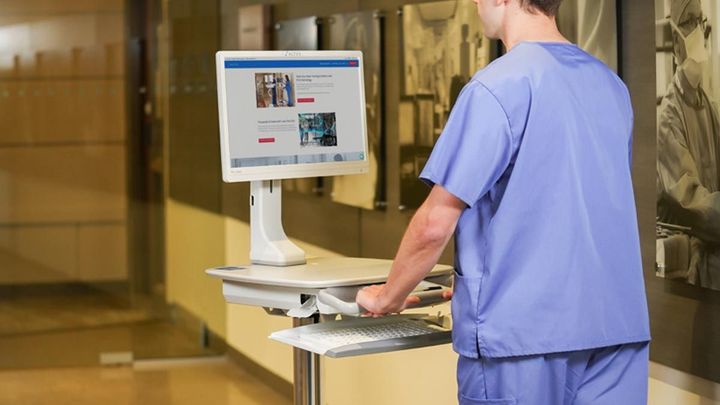
Understanding Medical Workstations: Learn Basics, Guide, Advice, Facts, Knowledge, and Resources
Medical workstations are specialized computer-based systems designed to support healthcare professionals in managing clinical information, reviewing medical images, accessing patient records, and performing healthcare-related tasks. These systems combine hardware, software, and network connectivity to help healthcare environments operate more efficiently.
As healthcare organizations increasingly rely on digital technologies, medical workstations have become an important part of hospitals, diagnostic centres, laboratories, outpatient facilities, and research institutions. They exist to provide healthcare professionals with fast access to critical information while supporting accuracy, workflow management, and data security.
Medical workstations may be configured for various purposes, including:
- Electronic Health Record (EHR) access
- Diagnostic imaging review
- Clinical documentation
- Telemedicine communication
- Laboratory data management
- Healthcare analytics and reporting
The growth of digital healthcare systems, cloud computing, artificial intelligence, and cybersecurity technologies has increased the role of advanced medical workstation solutions across modern healthcare environments.
Medical Workstation Types
| Workstation Type | Primary Purpose | Typical Users |
|---|---|---|
| Clinical Workstation | Patient record management | Physicians, nurses |
| Radiology Workstation | Medical image analysis | Radiologists |
| Laboratory Workstation | Test result review | Lab professionals |
| Telehealth Workstation | Remote consultations | Healthcare providers |
| Mobile Medical Workstation | Bedside documentation | Clinical staff |
| Healthcare Analytics Workstation | Data analysis and reporting | Administrators, researchers |
Importance
Medical workstations play a significant role in healthcare operations because they help professionals access information quickly and make informed decisions.
Healthcare systems generate large amounts of data every day. Managing this information manually can increase administrative burdens and create inefficiencies. Medical workstations help organize, display, and process healthcare information in a structured manner.
Key benefits include:
- Improved access to patient information
- Better clinical workflow management
- Enhanced documentation accuracy
- Faster review of diagnostic images
- Support for healthcare cybersecurity measures
- Integration with healthcare information systems
Medical workstations affect a wide range of stakeholders, including:
- Patients
- Physicians
- Nurses
- Radiologists
- Laboratory technicians
- Healthcare administrators
- Researchers
In modern healthcare environments, these systems help address challenges such as increasing patient volumes, growing data complexity, and the need for secure information exchange.
Healthcare Technology Trends Related to Medical Workstations
| Trend | Impact on Medical Workstations |
|---|---|
| Artificial Intelligence | Supports image analysis and workflow automation |
| Cloud Computing | Enables remote access to healthcare data |
| Telemedicine | Expands remote healthcare capabilities |
| Cybersecurity Platforms | Improves data protection |
| Healthcare Analytics | Enhances decision-making processes |
| Interoperability Standards | Improves data sharing between systems |
Recent Updates
The medical workstation landscape has continued evolving during 2025 and 2026 as healthcare organizations adopt more advanced digital technologies.
Artificial intelligence integration remains one of the most notable developments. AI-assisted diagnostic tools are increasingly being incorporated into radiology and clinical workstations to assist with image interpretation, workflow prioritization, and data analysis.
Cloud-based healthcare infrastructure has also expanded. Many healthcare organizations are moving toward hybrid and cloud-enabled systems that allow secure access to medical information across multiple locations.
Recent trends include:
- Greater use of AI-powered medical imaging software
- Increased adoption of cloud healthcare platforms
- Enhanced cybersecurity protections for healthcare networks
- Growth in remote patient monitoring technologies
- Expansion of telehealth infrastructure
- Improved interoperability between healthcare systems
During 2025, healthcare organizations worldwide continued strengthening cybersecurity strategies in response to increasing cyber threats targeting healthcare data. This has influenced workstation design, authentication systems, and access control procedures.
Another important trend is the increasing focus on workflow optimization. Healthcare institutions are seeking technologies that reduce administrative complexity while supporting patient-centred care.
Medical Workstation Technology Adoption Trend
Healthcare Technology Integration

AI Features             ████████████ 80%
Cloud Connectivity      ██████████ 70%
Telehealth Support      █████████ 65%
Advanced Analytics      ████████ 60%
Mobile Integration      ███████ 55%
Illustrative representation of broader healthcare technology trends.
Laws or Policies
Medical workstations operate within a highly regulated healthcare environment. Various laws, standards, and regulatory frameworks influence how these systems are designed, implemented, and managed.
Healthcare organizations must ensure that medical workstation usage aligns with requirements related to:
- Patient privacy
- Data security
- Electronic health records
- Medical device regulations
- Clinical documentation standards
Common regulatory areas include:
Healthcare Data Protection
Healthcare providers are generally required to protect patient information from unauthorized access, disclosure, or misuse. Medical workstations often incorporate authentication controls, encryption technologies, and access management systems to support compliance requirements.
Electronic Health Record Standards
Many healthcare systems require healthcare providers to maintain electronic records according to specific documentation and retention guidelines. Medical workstations help support these record-keeping obligations.
Medical Device Regulations
Some workstation configurations used for diagnostic imaging or clinical decision support may be subject to medical device regulatory requirements depending on their functionality and jurisdiction.
Cybersecurity Requirements
Governments and healthcare authorities increasingly emphasize cybersecurity risk management. Healthcare organizations often implement security frameworks that include:
- Multi-factor authentication
- User access controls
- Data encryption
- Audit logging
- Network monitoring
Interoperability Initiatives
Many healthcare authorities support programs that encourage healthcare information exchange and interoperability between systems. These initiatives help improve communication across healthcare organizations and support continuity of care.
Tools and Resources
Healthcare professionals and organizations often rely on a variety of digital tools alongside medical workstations.
Useful categories include:
Electronic Health Record Platforms
These platforms support:
- Patient documentation
- Clinical records management
- Appointment tracking
- Healthcare reporting
Medical Imaging Software
Medical imaging tools assist with:
- Radiology image review
- Diagnostic analysis
- Image storage
- Reporting workflows
Healthcare Cybersecurity Tools
Important solutions include:
- Identity management systems
- Endpoint protection platforms
- Security monitoring dashboards
- Risk assessment frameworks
Telehealth Platforms
Common functions include:
- Virtual consultations
- Secure communication
- Remote patient interactions
- Clinical collaboration
Healthcare Analytics Resources
Analytics solutions support:
- Population health studies
- Clinical performance monitoring
- Healthcare data visualization
- Operational insights
Helpful Resource Categories
| Resource Category | Purpose |
|---|---|
| Electronic Health Records | Clinical documentation |
| Medical Imaging Systems | Diagnostic review |
| Telehealth Platforms | Remote healthcare communication |
| Healthcare Analytics Tools | Data-driven insights |
| Cybersecurity Frameworks | Information protection |
| Clinical Workflow Software | Operational efficiency |
| Health Information Exchanges | Secure data sharing |
FAQs
What is a medical workstation?
A medical workstation is a specialized computing system used in healthcare settings to access patient information, review medical images, manage documentation, and support clinical workflows.
How are medical workstations different from standard computers?
Medical workstations are typically designed to meet healthcare requirements, including enhanced security controls, specialized healthcare software compatibility, and support for clinical applications.
Who uses medical workstations?
Users commonly include physicians, nurses, radiologists, laboratory professionals, healthcare administrators, researchers, and other healthcare personnel.
Why is cybersecurity important for medical workstations?
Medical workstations often handle sensitive healthcare information. Cybersecurity measures help protect patient data, maintain system integrity, and support regulatory compliance.
What technologies are shaping the future of medical workstations?
Emerging technologies include artificial intelligence, cloud computing, healthcare analytics, telemedicine integration, interoperability solutions, and advanced cybersecurity systems.
Can medical workstations support remote healthcare activities?
Yes. Many modern systems support telehealth services, secure remote access, virtual consultations, and collaboration between healthcare professionals across different locations.
Conclusion
Medical workstations have become an essential component of modern healthcare infrastructure. They support healthcare professionals by providing efficient access to clinical information, medical imaging, documentation systems, and healthcare analytics tools.
As healthcare continues to embrace digital transformation, the capabilities of medical workstations are expanding through artificial intelligence, cloud computing, cybersecurity innovations, and interoperability initiatives. These developments help healthcare organizations manage information more effectively while supporting patient care, operational efficiency, and regulatory compliance.
Understanding the role of medical workstations provides valuable insight into how healthcare technology continues to evolve and how digital systems contribute to the delivery of modern healthcare services.