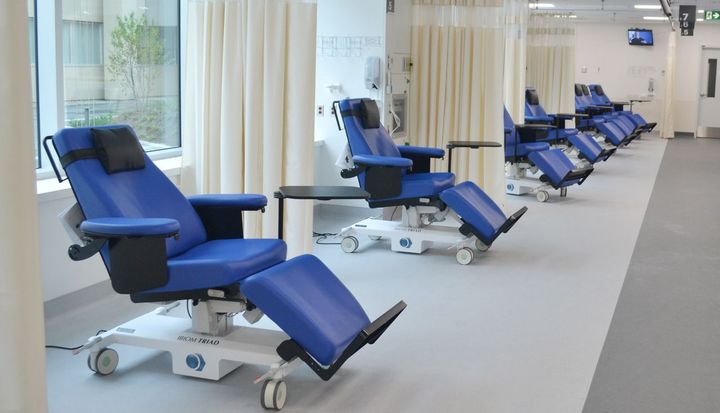
Treatment Chairs and Hospital Furniture Explained: Explore Guide, Tips, Insights, Knowledge, Facts, and Helpful Resources
Treatment chairs and hospital furniture are essential components of healthcare environments. They are designed to support patients, healthcare professionals, and caregivers during medical examinations, treatments, recovery periods, and daily clinical activities. These furnishings help create organized, functional, and safe healthcare settings.
Hospital furniture includes a wide range of equipment such as patient beds, examination tables, overbed tables, bedside cabinets, stretchers, medical trolleys, waiting area seating, and treatment chairs. Treatment chairs are specially designed seating solutions used during procedures such as dialysis, chemotherapy, blood collection, infusion therapy, and outpatient treatments.
The development of healthcare furniture has evolved alongside modern medicine. Early healthcare facilities relied on basic furniture with limited functionality. Today, healthcare environments use ergonomic, adjustable, and technology-integrated furniture designed to improve patient comfort and clinical efficiency.
Healthcare facilities continuously seek furniture solutions that support infection prevention, patient safety, healthcare compliance, ergonomic design standards, medical equipment integration, and healthcare facility management objectives.
Why Treatment Chairs and Hospital Furniture Matter
Healthcare furniture plays a significant role in patient care and operational effectiveness. Properly designed treatment chairs and hospital furnishings help improve healthcare experiences while supporting medical staff responsibilities.
Several factors explain their importance:
• Enhanced patient comfort during extended treatments
• Improved accessibility for elderly individuals and patients with mobility limitations
• Better support for healthcare professionals performing procedures
• Reduced physical strain through ergonomic positioning
• Improved infection control through easy-to-clean surfaces
• Enhanced patient safety through adjustable and secure designs
• Greater workflow efficiency within healthcare facilities
Healthcare furniture affects a wide range of stakeholders, including patients, nurses, physicians, therapists, caregivers, healthcare administrators, and facility planners.
The growing prevalence of chronic diseases has increased demand for outpatient care environments where treatment chairs are commonly used. Facilities managing dialysis therapy, oncology treatments, rehabilitation programs, and infusion services rely heavily on specialized seating systems.
Healthcare Furniture Applications
| Healthcare Area | Common Furniture Used | Primary Purpose |
|---|---|---|
| Patient Rooms | Hospital beds, bedside cabinets | Patient recovery and care |
| Outpatient Clinics | Treatment chairs, examination tables | Medical consultations |
| Emergency Departments | Stretchers, transport trolleys | Rapid patient movement |
| Infusion Centers | Reclining treatment chairs | Long-duration treatments |
| Rehabilitation Facilities | Therapy chairs, mobility aids | Physical recovery support |
| Waiting Areas | Healthcare seating systems | Visitor accommodation |
Recent Updates and Industry Trends
Healthcare furniture continues to evolve in response to patient expectations, healthcare regulations, and technological advancements.
During 2025 and early 2026, several notable trends gained attention across healthcare infrastructure projects.
Smart and Connected Furniture
Many healthcare facilities have explored furniture equipped with digital monitoring features. Some advanced treatment chairs now integrate patient-position tracking, electronic controls, and connectivity capabilities that support healthcare workflow management.
Infection Prevention Focus
Healthcare providers continue emphasizing antimicrobial materials and surfaces designed to support infection prevention strategies. Furniture manufacturers increasingly use materials that withstand frequent cleaning and disinfection procedures.
Ergonomic Design Improvements
Recent designs place greater emphasis on both patient and caregiver comfort. Adjustable positioning systems help reduce musculoskeletal strain among healthcare workers while improving patient experiences during lengthy treatments.
Sustainable Healthcare Infrastructure
Environmental sustainability remains a growing consideration. Healthcare organizations increasingly evaluate furniture based on durability, recyclability, and environmental impact.
Flexible Healthcare Spaces
Healthcare facilities are adopting more adaptable layouts. Modular furniture systems allow clinics and hospitals to reconfigure treatment areas according to changing patient needs.
Healthcare Furniture Trend Overview
| Trend | Growing Focus |
| Smart Furniture | High |
| Infection Control Materials | Very High |
| Ergonomic Design | High |
| Sustainability | Moderate to High |
| Modular Systems | High |
| Digital Integration | Increasing |
Laws, Regulations, and Healthcare Policies
Treatment chairs and hospital furniture are subject to various regulations intended to protect patient safety and healthcare quality.
Healthcare facilities must generally comply with standards related to:
• Patient safety requirements
• Accessibility regulations
• Fire safety standards
• Infection prevention guidelines
• Occupational health and safety requirements
• Medical device regulations where applicable
Many countries follow healthcare accreditation frameworks that evaluate facility environments, including furniture safety and usability.
Accessibility regulations often require healthcare facilities to accommodate individuals with disabilities. Furniture design may need to support wheelchair transfers, mobility assistance, and barrier-free access.
Healthcare authorities also establish infection prevention recommendations that influence material selection, cleaning procedures, and maintenance practices.
Occupational safety agencies commonly encourage ergonomic workplace designs that reduce physical strain among healthcare workers. Treatment chairs and clinical furniture can contribute to these objectives through adjustable positioning and caregiver-friendly features.
Healthcare organizations frequently incorporate furniture standards into facility planning, healthcare infrastructure modernization projects, and quality improvement initiatives.
Helpful Tools and Resources
Healthcare professionals, facility managers, architects, and healthcare planners often use specialized resources when evaluating treatment chairs and hospital furniture.
Useful resources include:
• Healthcare facility planning guides
• Ergonomic assessment tools
• Accessibility compliance checklists
• Infection prevention guidelines
• Healthcare space planning templates
• Furniture maintenance management software
• Asset tracking systems
• Facility inspection checklists
• Healthcare accreditation resources
• Risk assessment frameworks
Common Evaluation Factors
When assessing treatment chairs and hospital furniture, organizations often consider:
| Evaluation Area | Considerations |
| Ergonomics | Patient and caregiver comfort |
| Durability | Long-term reliability |
| Infection Control | Surface cleaning requirements |
| Accessibility | Inclusive patient use |
| Adjustability | Clinical flexibility |
| Maintenance | Inspection and upkeep needs |
| Safety | Stability and patient protection |
| Sustainability | Environmental impact |
Understanding Ergonomic Healthcare Design
Ergonomics has become a major factor in healthcare furniture development. Treatment chairs designed with ergonomic principles help maintain proper body positioning during procedures.
Benefits may include:
• Improved patient support
• Better posture alignment
• Reduced caregiver fatigue
• Enhanced treatment accessibility
• Improved workflow efficiency
Long-duration treatments, including infusion therapy and dialysis procedures, often require furniture capable of supporting patients for extended periods. Adjustable backrests, leg supports, and positioning systems can help accommodate varying patient needs.
Frequently Asked Questions
What is a treatment chair?
A treatment chair is a specialized medical seating system designed for clinical procedures such as infusion therapy, dialysis, blood collection, chemotherapy, and outpatient treatments. These chairs often include adjustable positioning features to support patient comfort and clinical access.
Why is hospital furniture important?
Hospital furniture supports patient care, healthcare operations, safety, accessibility, and infection prevention. Proper furniture design helps healthcare professionals perform tasks efficiently while improving patient experiences.
What materials are commonly used in healthcare furniture?
Healthcare furniture frequently uses materials selected for durability, ease of cleaning, and infection prevention. Common materials include coated metals, healthcare-grade plastics, specialized upholstery, and antimicrobial surfaces.
How does healthcare furniture support infection control?
Many healthcare furnishings are designed with smooth, cleanable surfaces that tolerate regular disinfection. This helps healthcare facilities maintain hygiene standards and reduce contamination risks.
What trends are shaping healthcare furniture today?
Current trends include smart furniture technology, ergonomic improvements, modular designs, sustainability initiatives, digital integration, and enhanced infection prevention features.
Key Facts About Treatment Chairs and Hospital Furniture
• Healthcare furniture directly influences patient comfort and safety.
• Treatment chairs are widely used in outpatient care environments.
• Ergonomic designs help support healthcare professionals and patients.
• Infection prevention remains a major design priority.
• Accessibility standards increasingly influence furniture selection.
• Digital technologies are becoming more common in healthcare furnishings.
• Sustainable healthcare infrastructure is gaining attention worldwide.
Conclusion
Treatment chairs and hospital furniture form an important foundation of modern healthcare environments. They contribute to patient comfort, clinical efficiency, accessibility, infection prevention, and workplace safety. As healthcare systems continue to evolve, furniture solutions are increasingly incorporating ergonomic design, digital technology, sustainability considerations, and enhanced safety features.
Understanding how treatment chairs and healthcare furnishings function helps patients, caregivers, healthcare professionals, and facility planners make informed decisions about healthcare environments. Ongoing developments in healthcare infrastructure suggest that furniture will continue playing a critical role in supporting high-quality patient care and effective healthcare operations.