Table of Contents

Textile Machinery Manufacturers in Asia Explained: Equipment Types, Innovations, and Industry Insights

Textile Machinery Manufacturers in Asia Explained: Equipment Types, Innovations, and Industry Insights

The textile industry is one of the world's largest manufacturing sectors, producing fabrics, yarns, garments, technical textiles, and industrial textile products. Behind these products is a wide range of specialized machinery designed to support spinning, weaving, knitting, dyeing, finishing, and quality control processes.

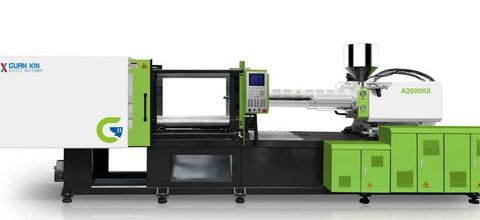
Asia has become a major center for textile production and textile machinery manufacturing due to its extensive industrial infrastructure, engineering capabilities, supply chain networks, and growing adoption of advanced manufacturing technologies.

Textile machinery manufacturers develop equipment that helps transform raw fibers into finished textile products through a series of controlled production processes.

Why Textile Machinery Matters

Textile machinery plays a critical role in supporting efficiency, consistency, and productivity across textile manufacturing operations.

Modern textile equipment helps support:

  • Yarn production
  • Fabric manufacturing
  • Process automation
  • Production efficiency
  • Quality management
  • Resource optimization
  • Industrial scalability
  • Product consistency

Manufacturers, engineers, factory managers, researchers, and textile professionals rely on these systems to maintain operational performance throughout production cycles.

Major Types of Textile Machinery

Textile production involves several stages, each requiring specialized equipment.

Machinery CategoryPrimary Function
Spinning MachinesConvert fibers into yarn
Weaving MachinesProduce woven fabrics
Knitting MachinesCreate knitted textiles
Dyeing EquipmentApply color treatments
Finishing MachinesImprove fabric characteristics
Printing SystemsAdd textile patterns and designs
Inspection EquipmentMonitor product quality

Each machinery category contributes to a specific stage of textile manufacturing.

Spinning Machinery

Spinning is one of the earliest stages of textile production.

Common spinning equipment includes:

  • Ring spinning machines
  • Rotor spinning systems
  • Compact spinning machines
  • Fiber preparation equipment
  • Drawing frames
  • Roving machines

These systems transform natural or synthetic fibers into yarns suitable for further processing.

Weaving Machinery

Weaving machines interlace yarns to create woven fabrics.

Common weaving technologies include:

  • Air-jet weaving machines
  • Water-jet weaving systems
  • Rapier looms
  • Projectile looms
  • Shuttle weaving equipment

Advances in weaving technology have improved production speeds, automation capabilities, and fabric consistency.

Knitting Machinery

Knitting machines create fabrics through interconnected loops of yarn.

Common machine categories include:

  • Circular knitting machines
  • Flat knitting systems
  • Warp knitting machines
  • Computerized knitting equipment

These systems support the production of apparel fabrics, technical textiles, sportswear materials, and industrial textile products.

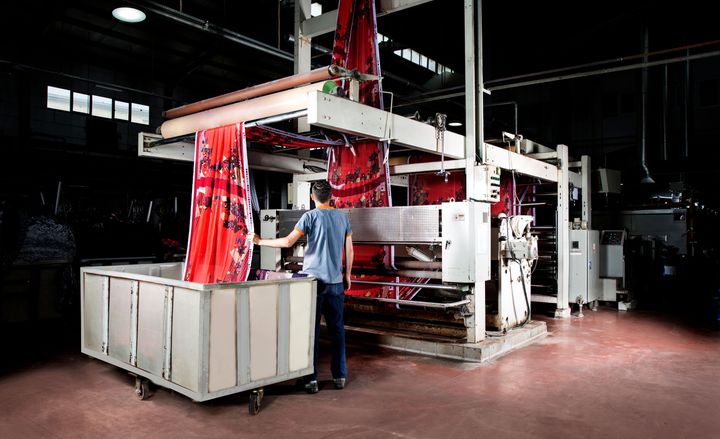
Dyeing and Finishing Equipment

After fabric production, textiles often undergo dyeing and finishing processes.

Typical equipment includes:

  • Dyeing machines
  • Drying systems
  • Coating equipment
  • Fabric treatment systems
  • Heat-setting machines
  • Finishing lines

These processes influence fabric appearance, texture, durability, and performance characteristics.

Automation and Smart Manufacturing

Digital transformation is increasingly shaping textile manufacturing operations.

Modern textile facilities may utilize:

  • Industrial automation systems
  • Machine monitoring platforms
  • Production analytics
  • Predictive maintenance tools
  • IoT-enabled equipment
  • Digital process controls
  • Automated quality inspection systems

These technologies help improve operational visibility and manufacturing efficiency.

Artificial Intelligence and Data Analytics

Artificial intelligence is becoming more common within industrial manufacturing environments.

Applications may include:

  • Production forecasting
  • Quality analysis
  • Machine performance monitoring
  • Predictive maintenance
  • Process optimization
  • Defect detection

AI-driven insights can help manufacturers better understand operational trends and production performance.

Sustainability in Textile Manufacturing

Environmental sustainability has become an important focus area for the textile sector.

Industry initiatives often include:

  • Water conservation technologies
  • Energy-efficient machinery
  • Waste reduction programs
  • Resource optimization systems
  • Circular manufacturing approaches
  • Emissions monitoring practices

Manufacturers continue exploring methods to improve environmental performance while maintaining production efficiency.

Textile Industry Technology Trends (2025–2026)

Several innovations have influenced textile manufacturing over the past year.

Current developments include:

  • Smart factory integration
  • AI-assisted production management
  • Advanced textile automation
  • Digital twin technologies
  • Industrial IoT deployment
  • Energy-efficiency improvements
  • Automated inspection systems
  • Sustainable production technologies

These trends are shaping the future of textile manufacturing operations across Asia and other global regions.

Examples of Textile Machinery Companies

The textile machinery sector includes numerous manufacturers operating across Asia and globally. Industry participants frequently reference organizations such as Rieter, Toyota Industries Corporation, Murata Machinery, Trützschler, and Picanol when discussing textile manufacturing technologies.

These companies are mentioned solely for educational and industry-reference purposes and not as recommendations or endorsements.

Regulations and Industry Standards

Textile manufacturing equipment is often subject to industrial standards and regulatory requirements.

Common areas include:

  • Workplace safety standards
  • Machinery safety regulations
  • Environmental compliance requirements
  • Energy-efficiency standards
  • Product quality certifications
  • Industrial emissions regulations
  • Equipment performance standards

Compliance helps support safe and reliable manufacturing operations.

Tools and Resources

Individuals interested in textile manufacturing can explore a variety of educational resources.

Useful resources include:

  • Textile engineering publications
  • Manufacturing analytics platforms
  • Industrial automation resources
  • Production planning software
  • Textile technology journals
  • Equipment monitoring systems
  • Sustainability reporting frameworks
  • Industry research reports

These resources provide insight into manufacturing technologies and industry developments.

Textile Manufacturing Process Overview

Production StageTypical Equipment
Fiber PreparationOpening and cleaning systems
SpinningYarn production machines
Fabric FormationWeaving and knitting equipment
DyeingColor application systems
FinishingFabric treatment machinery
InspectionQuality control equipment

Understanding this workflow helps explain how textile products move from raw materials to finished goods.

Frequently Asked Questions

What is textile machinery?

Textile machinery refers to specialized equipment used to produce yarns, fabrics, garments, and technical textile products.

Why is Asia important in textile manufacturing?

Asia is a major manufacturing region with extensive textile production capacity, engineering expertise, and industrial infrastructure.

What technologies are used in modern textile factories?

Modern facilities may utilize automation systems, industrial IoT platforms, AI-powered analytics, predictive maintenance tools, and digital monitoring technologies.

How does automation help textile production?

Automation can support process consistency, operational efficiency, production monitoring, and quality management.

What sustainability initiatives are common in textile manufacturing?

Common initiatives include energy-efficiency improvements, water conservation measures, waste reduction programs, and resource optimization technologies.

Conclusion

Textile machinery plays a foundational role in modern manufacturing, enabling the efficient production of yarns, fabrics, and textile products used across numerous industries. From spinning and weaving to dyeing and finishing, specialized equipment supports each stage of the manufacturing process.

As the textile industry continues embracing automation, artificial intelligence, sustainability initiatives, and smart manufacturing technologies, machinery innovation remains a key driver of industrial development. Understanding equipment categories, production processes, and emerging trends provides valuable insight into the evolving textile manufacturing landscape.

Disclaimer

This article is intended solely for informational and educational purposes. It does not promote, endorse, recommend, market, or encourage the purchase, acquisition, or selection of any textile machinery, manufacturer, supplier, company, or industrial product. Company names mentioned are provided only as examples to illustrate industry participation and technological developments. This content should not be considered engineering, manufacturing, investment, procurement, legal, or professional advice. Readers should consult qualified experts and relevant authorities regarding specific industrial, operational, or regulatory matters.


author-image

Ravi Shankar Maurya

We create purposeful content that speaks, resonates, and drives action.

June 04, 2026 . 8 min read