Jump to a Chapter

Tata Tiago EV Explained: Explore Guide, Tips, Insights, Facts, Knowledge, Details, and Helpful Resources

Tata Tiago EV Explained: Explore Guide, Tips, Insights, Facts, Knowledge, Details, and Helpful Resources

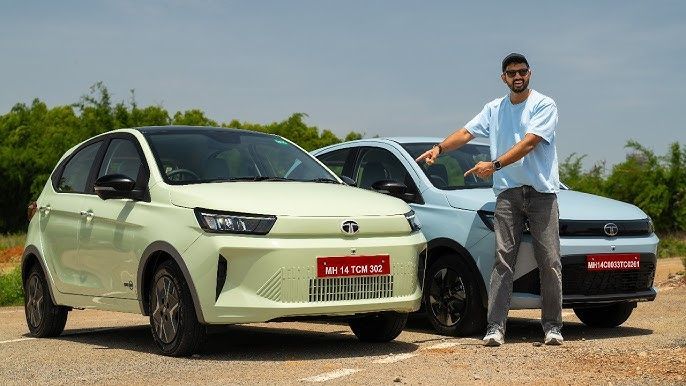
The Tata Tiago EV is an electric hatchback designed to provide a practical alternative to conventional fuel-powered urban transportation. As electric vehicles continue gaining attention worldwide, models such as the Tiago EV represent an important step toward broader adoption of cleaner mobility technologies.


Unlike traditional vehicles that rely on internal combustion engines, the Tiago EV operates using an electric motor powered by rechargeable battery packs. The vehicle was developed to address growing interest in energy-efficient transportation, reduced tailpipe emissions, and advancements in battery technology.

The rise of electric mobility has been influenced by several factors, including environmental concerns, technological innovation, charging infrastructure development, and government initiatives supporting sustainable transportation. The Tiago EV serves as an example of how modern electric vehicle technology is becoming accessible to a wider range of drivers.

Understanding the Tata Tiago EV

The Tata Tiago EV is built on the platform of the conventional Tiago hatchback but incorporates an electric powertrain. Key components typically include:

  • Electric motor
  • Lithium-ion battery pack
  • Regenerative braking system
  • Charging interface
  • Battery management system
  • Digital driver information displays

The vehicle is intended primarily for urban and suburban travel where predictable daily driving distances align well with electric vehicle capabilities.

Why Electric Hatchbacks Matter Today

Electric hatchbacks have become increasingly important due to changing transportation needs and evolving energy priorities.

Several factors contribute to their relevance:

  • Reduced dependence on fossil fuels
  • Lower tailpipe emissions
  • Quieter driving experience
  • Improved energy efficiency
  • Growth of charging infrastructure
  • Advancements in battery technology

As cities seek solutions to air quality and sustainability challenges, compact electric vehicles can play an important role in future transportation systems.

Key Areas Where the Tata Tiago EV Has Impact

AreaPotential Impact
Urban MobilitySupports daily commuting needs
Energy EfficiencyUses electricity instead of gasoline or diesel
Environmental GoalsProduces zero tailpipe emissions
Technology AdoptionEncourages familiarity with EV systems
Smart TransportationIntegrates digital monitoring features

Practical Benefits for Drivers

Many drivers exploring electric mobility are interested in understanding everyday usability.

Common areas of interest include:

  • Home charging convenience
  • Lower maintenance requirements compared to traditional engines
  • Instant torque delivery
  • Reduced noise levels
  • Access to expanding charging networks

These characteristics help explain why electric vehicles continue attracting attention among consumers, researchers, policymakers, and transportation planners.

Recent Updates and Industry Trends

The electric vehicle sector has experienced significant developments throughout 2025 and 2026.

Some notable trends include:

  • Continued expansion of public charging infrastructure
  • Improvements in battery energy density
  • Growth in fast-charging technology
  • Increased focus on battery recycling initiatives
  • Wider integration of connected vehicle software

Industry reports published during 2025 highlighted growing consumer interest in compact electric vehicles, particularly within urban transportation segments. Battery management systems have also become more sophisticated, helping improve performance monitoring and energy optimization.

Manufacturers across the electric vehicle market have continued investing in:

  • Advanced battery technology
  • Charging ecosystem development
  • Vehicle software updates
  • Connected mobility solutions
  • Sustainable manufacturing practices

Electric Mobility Technology Trends

TrendIndustry Direction
Fast ChargingReduced charging times
Battery InnovationImproved efficiency and durability
Smart ConnectivityEnhanced vehicle monitoring
Renewable Energy IntegrationCleaner charging solutions
Battery RecyclingGreater sustainability focus

Charging and Battery Considerations

Understanding charging methods is an important part of learning about any electric vehicle.

Charging options generally include:

  • Home charging systems
  • Workplace charging stations
  • Public charging networks
  • Fast-charging facilities

Battery performance may be influenced by factors such as:

  • Driving conditions
  • Ambient temperature
  • Vehicle load
  • Driving style
  • Charging practices

Modern battery management systems are designed to monitor battery health, optimize charging behavior, and support long-term reliability.

Government Policies and Regulatory Influence

Electric vehicles are often influenced by transportation, energy, and environmental regulations.

Governments in many regions have introduced policies aimed at supporting electric mobility through:

  • Emissions reduction strategies
  • Vehicle efficiency standards
  • Charging infrastructure programs
  • Clean transportation initiatives
  • Battery recycling frameworks

Regulatory agencies may also establish standards related to:

  • Vehicle safety
  • Charging equipment compatibility
  • Battery transportation
  • Environmental compliance
  • Consumer information requirements

As electric vehicle adoption grows, policymakers continue refining regulations to address emerging technological and infrastructure needs.

Environmental and Sustainability Considerations

One major reason electric vehicles receive attention is their potential contribution to environmental goals.

Important sustainability topics include:

  • Reduction of tailpipe emissions
  • Energy efficiency improvements
  • Renewable electricity integration
  • Battery material sourcing
  • Recycling and resource recovery

Environmental outcomes depend on multiple factors, including electricity generation sources, vehicle usage patterns, and lifecycle management practices.

Comparing Transportation Energy Sources

FeatureElectric VehicleConventional Vehicle
Energy SourceElectricityLiquid Fuel
Tailpipe EmissionsNonePresent
Engine NoiseLowerHigher
Regenerative BrakingAvailableTypically Not Available
Energy RecoverySupportedLimited

Useful Tools and Resources

Individuals researching electric vehicles can benefit from various educational and informational resources.

Helpful categories include:

  • EV range calculators
  • Charging station locators
  • Battery health monitoring tools
  • Route planning applications
  • Energy consumption estimators
  • Transportation research portals

Useful resource types:

  • Official manufacturer documentation
  • Government transportation agencies
  • Environmental research organizations
  • Electric mobility publications
  • Battery technology research centers

Mobile applications commonly provide:

  • Charging station maps
  • Navigation assistance
  • Vehicle monitoring data
  • Charging session information
  • Energy usage statistics

High-Value Topics Related to Electric Mobility

The following topics are frequently researched within the electric vehicle ecosystem:

Research TopicWhy It Matters
Electric Vehicle TechnologyUnderstanding core systems
Battery Management SystemsPerformance and safety
EV Charging InfrastructureCharging accessibility
Sustainable TransportationEnvironmental impact
Renewable Energy IntegrationCleaner mobility solutions
Smart Mobility SolutionsConnected transportation
Vehicle Energy EfficiencyOptimized energy use
Battery Recycling ProgramsResource sustainability

Frequently Asked Questions

What is the Tata Tiago EV?

The Tata Tiago EV is a battery-electric hatchback that uses an electric motor and rechargeable battery pack instead of a conventional internal combustion engine.

How does regenerative braking work?

Regenerative braking converts part of the vehicle's kinetic energy into electrical energy during deceleration. This energy is returned to the battery, helping improve overall efficiency.

Can electric vehicles be charged at home?

Yes. Many electric vehicles, including compact electric hatchbacks, can typically be charged using approved home charging equipment according to manufacturer guidelines.

Does battery performance change over time?

Like all rechargeable batteries, electric vehicle batteries experience gradual changes over long periods of use. Modern battery management systems help monitor and optimize battery health.

Why are charging networks important?

Charging infrastructure supports convenient vehicle operation by providing locations where drivers can recharge batteries during travel or daily activities.

What factors affect driving range?

Driving range can be influenced by temperature, speed, terrain, vehicle load, driving style, and battery condition.

Future Outlook for Electric Hatchbacks

The future of electric hatchbacks will likely be shaped by continued innovation in several areas:

  • Battery technology
  • Charging infrastructure
  • Software integration
  • Energy management systems
  • Sustainability initiatives

Researchers and industry experts continue working on improvements that may enhance vehicle efficiency, charging convenience, and overall user experience.

As transportation systems evolve, compact electric vehicles are expected to remain an important part of discussions surrounding smart mobility, environmental responsibility, and modern transportation planning.

Conclusion

The Tata Tiago EV represents a practical example of modern electric mobility technology. By combining battery-powered transportation, digital vehicle systems, and energy-efficient operation, it highlights how electric vehicles are becoming increasingly relevant in today's transportation landscape.

Understanding the vehicle involves more than examining specifications alone. It also requires awareness of charging infrastructure, battery technology, government regulations, sustainability considerations, and broader transportation trends. As electric mobility continues developing, the Tata Tiago EV serves as a useful case study for learning about the opportunities and challenges associated with the transition toward cleaner and more efficient transportation systems.


author-image

Harshit Sharma

We are a performance-driven media buying team focused on scaling brands through smart, data-backed advertising strategies

June 11, 2026 . 9 min read