Jump to a Chapter

Tata Curvv EV 2026 Overview: Explore Features, Battery Basics, Range Details and Key Information

Tata Curvv EV 2026 Overview: Explore Features, Battery Basics, Range Details and Key Information

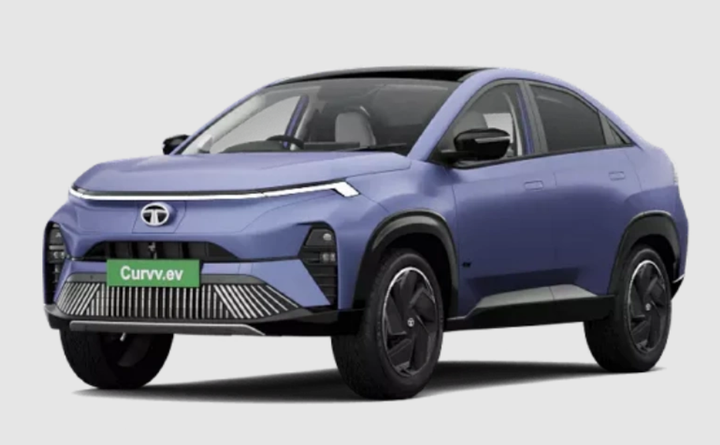
The Tata Curvv EV is an electric coupe SUV from Tata Motors, designed for people who want an electric vehicle with SUV practicality and a more modern body style. It combines an electric powertrain, connected car features, safety equipment, and a cabin layout aimed at daily urban and highway use.

The Curvv EV exists because India’s electric vehicle market is moving beyond small city cars. More drivers now want electric SUVs with better range, charging flexibility, safety ratings, and digital features. The Curvv EV fits into this shift by offering an EV option in the growing midsize SUV space.

Tata Motors lists the Curvv EV with features such as six airbags, all-wheel disc brakes, hill ascent control, hill descent control, and a coupe-style SUV design. These details make it relevant for users comparing electric SUVs, battery range, vehicle safety, EV charging, and connected mobility features.

This article gives a neutral and educational overview of the Tata Curvv EV 2026 topic. It explains the basic idea, why it matters, recent updates, rules and policies in India, helpful tools, and common questions.

Context: What the Tata Curvv EV Is and Why It Exists

The Tata Curvv EV is part of the wider move toward electric mobility in India. An electric vehicle uses a battery pack and electric motor instead of a traditional fuel engine. The main goal is to reduce tailpipe emissions, lower dependence on liquid fuel, and support cleaner urban transport.

The Curvv EV is positioned as a modern electric SUV with a coupe-inspired roofline. This design style gives it a different appearance from traditional boxy SUVs. The vehicle is meant for people who want electric mobility, SUV ground clearance, connected technology, and a design-focused cabin.

The broader purpose of such vehicles is to make EV adoption more practical. Earlier electric cars were often viewed mainly as short-distance urban vehicles. Newer EVs are being developed with larger battery packs, faster charging support, safety-focused structures, and better digital interfaces.

A simple way to understand the Curvv EV is through this table:

AreaBasic Explanation
Vehicle typeElectric coupe SUV
Power sourceBattery-powered electric motor
Main useCity travel, daily commute, and highway driving
Key focusRange, charging, safety, comfort, and technology
Buyer interest areasBattery life, charging time, safety rating, features, EV ownership basics

The Curvv EV also reflects a larger change in the automobile industry. Car makers are now focusing on battery management systems, regenerative braking, connected dashboards, charging networks, and vehicle software. These features make EVs different from conventional vehicles.

Importance: Why This Topic Matters Today

The Tata Curvv EV matters because electric SUVs are becoming an important part of India’s mobility transition. Many users are interested in EVs but still have questions about charging access, battery performance, safety, maintenance, insurance, and long-term practicality.

This topic affects several groups. Daily commuters want to know whether an EV can support regular travel without frequent charging anxiety. Families want safety features, cabin space, and comfort. Technology-focused users look at connected features, infotainment, battery data, and driver assistance systems. Policy followers watch how EV rules, charging infrastructure, and government programs affect adoption.

The Curvv EV also matters because it sits in a category where search intent is strong. People researching this vehicle often compare range, battery capacity, charging time, safety rating, and vehicle specifications. These are informational topics that can be explained safely without exaggerated claims.

User ConcernRelevant Curvv EV Topic
Daily drivingRange, charging routine, battery basics
Family useSafety features, seating, cabin comfort
Long-distance travelFast charging, route planning, charger access
Technology useConnected features, infotainment, vehicle data
Ownership planningMaintenance basics, EV insurance, documentation

Electric vehicles also help address some urban transport challenges. They can reduce local tailpipe emissions, support energy diversification, and encourage development of public charging infrastructure. However, EV adoption depends on practical factors such as charging access, battery reliability, safety standards, and clear consumer information.

Recent Updates and Trends

The Tata Curvv EV entered the market during a period when India’s electric vehicle ecosystem was expanding rapidly. Tata’s official EV website highlights the Curvv EV as an electric coupe SUV with design, safety, range, and technology features for Indian users.

Safety has been one of the important updates around this model. Bharat NCAP lists the Tata Curvv EV for October 2024 onward and shows scores of 30.81 out of 32 for Adult Occupant Protection and 44.83 out of 49 for Child Occupant Protection. This makes crash safety information an important part of any Curvv EV overview.

Charging information has also been widely discussed. Public automotive testing reported that the Curvv EV’s 10–80% fast-charging session took around 47 minutes in real-world conditions, compared with the claimed 40-minute figure under stated conditions. This type of data helps users understand that charging time can vary based on charger output, battery temperature, battery percentage, and environment.

The EV ecosystem in India has also seen policy movement. The PM E-DRIVE scheme was notified on 29 September 2024 and is being implemented from 1 October 2024 to 31 March 2026, according to the scheme portal. A February 2025 government release described the scheme as a ₹10,900 crore program intended to support green mobility and EV ecosystem development.

For Curvv EV users, these trends matter because electric vehicles do not depend only on the car itself. The wider system includes chargers, road networks, battery standards, testing rules, digital apps, and policy support.

Quick Specification Overview

Different variants may have different features, so users should always verify the latest official variant sheet before making any decision. Public specification listings mention a 55 kWh battery option, a claimed range figure of 502 km for one listed configuration, DC fast charging support, AC wall-box charging support, and CCS-II charging compatibility.

TopicInformational Detail
Body styleCoupe SUV
Battery optionListed 55 kWh configuration in public specifications
Charging typeAC and DC charging support
ConnectorCCS-II listed in public specifications
Safety testingBharat NCAP listing available
Key safety featuresSix airbags, disc brakes, hill assist features listed by Tata

Simple EV Range and Charging Graph

The chart below is an educational illustration. Actual range and charging experience can vary due to driving speed, road condition, air conditioning use, payload, tyre condition, terrain, and charger type.

Driving / Charging FactorImpact Level
Smooth city drivingMedium range support
High-speed highway drivingHigher battery use
Air conditioning useModerate battery impact
Frequent hard accelerationHigher battery use
DC fast chargingFaster session time
Home AC chargingSlower but steady routine

A simple range-impact view:

FactorRange Effect
Balanced driving██████████
Heavy acceleration██████
High-speed travel█████
Stop-go traffic with regen████████
Hilly route██████

This type of visual helps readers understand that EV range is not one fixed number. It is a practical outcome of vehicle efficiency, battery state, road conditions, and driving style.

Laws, Policies, and EV Rules in India

Electric vehicles in India are affected by central policies, state-level EV policies, safety standards, registration rules, battery norms, and charging infrastructure guidelines. For a vehicle like the Tata Curvv EV, the most relevant areas include vehicle approval, battery safety, public charging rules, road registration, and insurance documentation.

The PM E-DRIVE scheme is one of the major central policy developments. Its official portal states that the scheme was launched through Gazette notification S.O. 4259(E) on 29 September 2024 and is being implemented from 1 October 2024 to 31 March 2026. The scheme is connected with wider EV ecosystem development, including support for electric mobility and charging infrastructure.

Vehicle safety is another important policy area. Bharat NCAP provides safety assessment information for vehicles tested under its program. The Curvv EV listing includes adult and child occupant protection scores, which can help users understand crash-test performance in a structured way.

EV users should also understand the following policy-related areas:

  • Vehicle registration rules for electric vehicles
  • Battery warranty terms and documentation
  • Charging safety instructions
  • Insurance policy terms for electric vehicles
  • Road tax rules based on state policy
  • Public charging usage guidelines
  • Safe disposal and recycling principles for batteries

No article should suggest that an EV automatically qualifies for every policy benefit. Eligibility can depend on state, model type, date, registration category, and official notification. Users should check government portals and official vehicle documents for current details.

Tools and Resources

The Tata Curvv EV topic becomes easier to understand with simple tools and resources. These can help users compare information, plan usage, and learn EV basics.

Tool or ResourceHelpful Use
EV charging station locatorFind nearby public charging points
Route plannerEstimate charging stops on long routes
Range estimatorUnderstand possible range variation
EMI calculatorCompare monthly repayment scenarios
Vehicle insurance comparison guideUnderstand policy terms and EV-specific coverage
Battery care checklistLearn basic charging and usage habits
Owner manualConfirm vehicle-specific instructions
Bharat NCAP databaseReview safety assessment information
State EV policy portalCheck local EV-related rules
Tata.ev official websiteReview official model information

Helpful resources for learning include:

  • Official Tata EV product pages
  • Bharat NCAP vehicle safety listings
  • Ministry of Heavy Industries EV policy portals
  • State transport department websites
  • Public charging network maps
  • EV battery maintenance explainers
  • Motor insurance policy documents
  • Vehicle registration and compliance portals

A basic Curvv EV research checklist can include:

QuestionWhy It Matters
What variant is being reviewed?Features can vary by variant
What battery pack is listed?Range and charging may differ
What charger type is supported?Helps plan daily charging
What safety rating is available?Supports informed safety review
What warranty terms apply?Important for battery and vehicle planning
What local EV rules apply?State policies can differ

Practical Tips and Helpful Suggestions

The safest way to understand the Tata Curvv EV is to focus on verified details and avoid assumptions. A model year label such as 2026 may be used for search and article organization, but specifications should be checked against the latest official model page or brochure.

For everyday EV use, users should learn the difference between AC charging and DC fast charging. AC charging is commonly used for steady charging over a longer period, while DC fast charging is useful during travel or when a shorter charging session is needed.

Battery care is also important. EV users should avoid depending only on fast charging for every session unless the manufacturer guidance supports that routine. Balanced charging habits, software updates, tyre maintenance, and efficient driving can all influence real-world performance.

Useful EV habits include:

  • Plan charging before long-distance travel
  • Keep tyre pressure within recommended limits
  • Use regenerative braking smoothly
  • Avoid aggressive acceleration when range matters
  • Check charging connector compatibility
  • Read official battery and warranty terms
  • Review vehicle software updates when available
  • Keep emergency contact and roadside assistance information accessible

FAQs

What is the Tata Curvv EV?

The Tata Curvv EV is an electric coupe SUV from Tata Motors. It is designed as a battery-powered vehicle with SUV practicality, modern styling, connected features, and electric mobility technology.

What is important to check before comparing the Curvv EV?

Important points include battery capacity, claimed range, charging time, safety rating, variant features, warranty terms, charging connector type, and official documentation. These details can vary by variant and update cycle.

Does the Tata Curvv EV have a Bharat NCAP safety listing?

Yes. Bharat NCAP lists the Tata Curvv EV for October 2024 onward with Adult Occupant Protection and Child Occupant Protection scores shown on its official listing.

Why can real-world EV range differ from claimed range?

Real-world range can change due to driving speed, road condition, air conditioning use, battery temperature, payload, tyre pressure, terrain, and driving style. Claimed figures are usually measured under defined test conditions.

What charging options should users understand?

Users should understand home AC charging, public AC charging, and DC fast charging. Public specifications list CCS-II compatibility and AC/DC charging information for the Curvv EV, but users should confirm the latest official details for the exact variant.

Conclusion

The Tata Curvv EV 2026 topic is important because it connects several growing areas: electric SUVs, battery technology, EV charging, vehicle safety, connected mobility, and India’s expanding EV ecosystem. It is not only a vehicle topic; it is also linked with infrastructure, policy, digital tools, and practical ownership knowledge.

A clear overview should focus on verified information such as safety listing, charging basics, battery details, official features, and policy context. The Curvv EV reflects how India’s EV market is moving toward more feature-rich electric SUVs with stronger attention to range, safety, and charging convenience.

For AFS-safe content, the best approach is neutral and educational. Avoid exaggerated claims, unclear promises, or unsupported comparisons. Use official sources, explain practical concepts, and help readers understand the topic with facts, tables, and simple guidance.

author-image

Saurabh Chawla

We are a performance-driven media buying team focused on scaling brands through smart, data-backed advertising strategies

June 10, 2026 . 8 min read