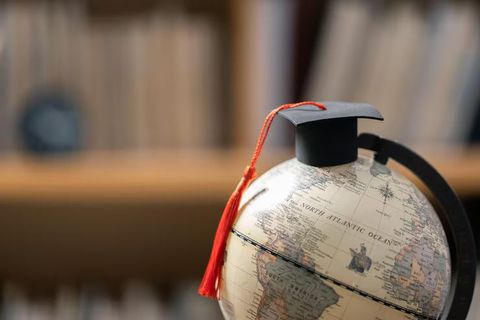
Study Abroad Resources for Global Learning Success
Studying in another country has become one of the most popular educational goals for students seeking international exposure, academic growth, and career development. With access to advanced education systems, cultural experiences, and global networking opportunities, study abroad programs continue to attract students from different parts of the world.
From exploring MBA abroad programs to searching for full scholarships to study abroad, students now have more opportunities than ever before. Countries such as the USA, Australia, and the UK remain top destinations because of their educational standards, research opportunities, and student-friendly learning environments.

Why Study Abroad Matters for Academic Growth
International education helps students build confidence, communication skills, and cross-cultural understanding. Studying in another country also allows students to experience new teaching methods and gain exposure to global industries.
Many universities abroad focus on practical learning, research projects, internships, and teamwork. These learning methods prepare students for international career environments and help them adapt to changing professional demands.
Students who study abroad often develop:
- Better communication abilities
- Stronger problem-solving skills
- Global networking opportunities
- Independent decision-making habits
- Exposure to multicultural environments
In addition, employers in many industries value international education because it demonstrates adaptability and broader learning experiences.
Popular Study Abroad Programs for International Students
There are several types of study abroad programs available for students depending on their educational goals and academic interests. Some students pursue short-term exchange programs, while others choose full-degree courses.
Common options include:
| Program Type | Duration | Suitable For |
|---|---|---|
| Exchange Programs | 3–12 Months | University students |
| Undergraduate Degrees | 3–4 Years | High school graduates |
| Postgraduate Degrees | 1–2 Years | Bachelor degree holders |
| MBA Abroad Programs | 1–2 Years | Business and management students |
| Research Programs | Varies | Academic researchers |
| Language Courses | Few Weeks to 1 Year | Language learners |
MBA abroad programs have become especially popular among students interested in international business management, entrepreneurship, finance, and leadership studies. Universities in the USA, UK, and Australia provide globally recognized MBA programs with diverse learning environments.
Best Countries to Study Abroad
Choosing the right destination is an important part of planning international education. Students often compare countries based on academic quality, lifestyle, language, research opportunities, and long-term educational goals.
Study in USA
The USA remains one of the leading destinations for international education. American universities are known for flexible course structures, advanced research facilities, and a wide range of academic programs.
Students who study in USA universities often benefit from:
- Diverse campus environments
- Strong research opportunities
- Modern learning systems
- International student communities
- Wide subject specialization options
Popular study areas include business, engineering, technology, healthcare, and data science. Many students also choose the USA because universities encourage innovation and practical learning.
Cities such as New York, Boston, Chicago, and California-based educational hubs attract students from around the world.
Study in Australia and Study in UK
Australia has become one of the most preferred destinations for international students due to its balanced lifestyle, academic standards, and multicultural society. Universities in cities like Sydney, Melbourne, and Brisbane are known for quality education and research-based programs.
Students who study in Australia often appreciate:
- English-speaking learning environments
- Student-friendly campuses
- Research-focused education
- Strong international communities
- Modern infrastructure
The UK is another highly respected study destination. Students interested in study in UK opportunities often choose universities in London, Manchester, Edinburgh, and Birmingham.
Study in London is especially attractive because the city combines academic excellence with international networking opportunities. London is home to several globally recognized universities and offers students exposure to diverse cultures and industries.
The UK education system is known for shorter postgraduate programs, academic traditions, and internationally respected qualifications.
Finding Full Scholarships to Study Abroad
Scholarships play a major role in helping students achieve international education goals. Many universities, organizations, and government programs provide financial assistance to support talented students.
Full scholarships to study abroad are usually awarded based on:
- Academic performance
- Research achievements
- Leadership qualities
- Community involvement
- Language proficiency
- Specialized talents
Students searching for scholarships should begin preparing documents early. Common requirements often include academic transcripts, recommendation letters, language test scores, and personal statements.
Reliable scholarship resources include:
- University official websites
- Government education portals
- International student organizations
- Educational foundations
- Research grant platforms
Careful planning and timely applications increase the chances of scholarship success.
Important Steps Before Applying to Study Abroad Programs
Preparing for international education requires proper research and organization. Students should identify their academic interests, preferred destinations, and future career plans before selecting programs.
Key preparation steps include:
- Research universities and courses
- Understand admission requirements
- Prepare language proficiency exams
- Organize academic documents
- Explore scholarship opportunities
- Compare living environments
- Review visa requirements
Many students make the mistake of selecting universities only based on rankings. It is equally important to evaluate course structure, campus culture, and available student support systems.
Language Tests and Admission Requirements
Most international universities require proof of English language proficiency. Commonly accepted tests include IELTS, TOEFL, and PTE.
Admission requirements usually vary depending on the country and program level. Undergraduate applications may require high school academic records, while postgraduate programs often request bachelor degree transcripts and additional documentation.
MBA abroad programs may also require:
- Work experience
- Leadership background
- Statement of purpose
- Resume or CV
- Recommendation letters
Students should always verify official admission guidelines before applying.
Student Life and Cultural Experience Abroad
One of the biggest advantages of studying abroad is cultural exposure. Students interact with people from different countries, traditions, and educational systems.
International student life often includes:
- Cultural festivals
- Academic workshops
- Student clubs
- Networking events
- Volunteer activities
- Language exchange programs
Living abroad also teaches valuable life skills such as time management, budgeting, and communication.
Students who study in London, Sydney, New York, or other global cities often gain access to international conferences, museums, technology hubs, and cultural landmarks that support both personal and academic growth.
Challenges Students May Face While Studying Abroad
Although studying abroad offers many benefits, students may also experience challenges during the adjustment period.
Common difficulties include:
- Homesickness
- Cultural differences
- Language barriers
- Academic pressure
- Time management
- Adapting to new systems
Building a support network and participating in campus activities can help students adjust more comfortably. Universities often provide international student support centers that assist with accommodation guidance, academic counseling, and cultural adaptation.
Digital Resources for Global Learning Success
Technology has made global education more accessible and organized. Students now use digital platforms to research universities, attend virtual counseling sessions, and prepare applications online.
Useful study abroad resources include:
| Resource Type | Purpose |
|---|---|
| University Websites | Course and admission information |
| Scholarship Portals | Financial aid opportunities |
| Student Forums | Peer experiences and advice |
| Virtual Campus Tours | Explore university facilities |
| Language Learning Apps | Improve communication skills |
| Online Learning Platforms | Academic preparation |
These digital resources help students compare options and make informed educational decisions.
Future Trends in International Education
Global education continues to evolve with changing technology and international collaboration. Universities are increasingly offering hybrid learning options, research partnerships, and globally connected classrooms.
Future study abroad trends may include:
- More virtual learning integration
- International research collaborations
- Flexible learning pathways
- Growth in technology-focused education
- Increased multicultural learning environments
Students interested in global careers are likely to continue benefiting from international education experiences.
Conclusion
Study abroad opportunities provide students with academic advancement, international exposure, and valuable personal development experiences. Whether pursuing undergraduate degrees, postgraduate studies, or MBA abroad programs, students can access diverse learning environments across the world.
Destinations such as the USA, Australia, and the UK continue to remain popular because of their educational quality and global recognition. Students who carefully research study abroad programs, scholarship opportunities, and academic goals can build a strong foundation for long-term success.
With the help of digital resources, proper planning, and global learning strategies, international education continues to open new pathways for students seeking knowledge and cultural understanding.