Steel Fabrication Manufacturing Explained: Explore Guide, Tips, Insights, Facts, Knowledge, and Helpful Resources
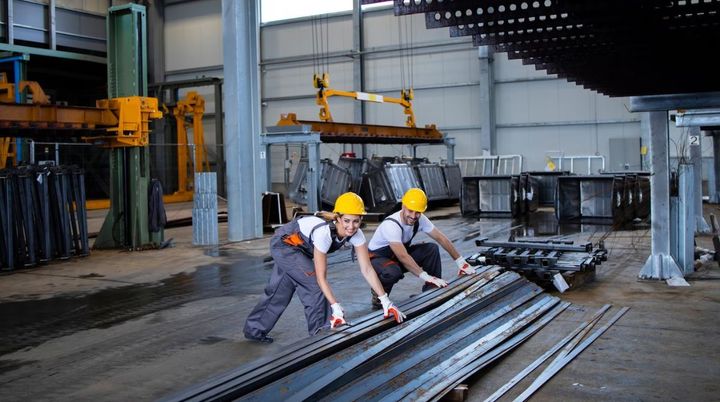
Steel fabrication manufacturing refers to the process of transforming raw steel materials into finished components, structures, and products through cutting, bending, welding, machining, and assembly operations. It is an essential part of modern industrial production and supports sectors such as construction, transportation, infrastructure, energy, aerospace, and heavy equipment manufacturing.
The fabrication process exists because steel in its raw form cannot directly meet the requirements of complex industrial applications. Manufacturers use specialized fabrication techniques to shape steel into beams, frames, enclosures, pipelines, machinery components, and structural systems.
Steel remains one of the most widely used engineering materials because of its strength, durability, versatility, and recyclability. Modern fabrication facilities combine skilled labor with advanced manufacturing technologies to achieve precise and consistent results.
Basic Steel Fabrication Workflow
| Manufacturing Stage | Purpose |
|---|---|
| Design & Engineering | Create technical drawings and specifications |
| Material Preparation | Select and prepare steel materials |
| Cutting | Shape raw materials into required dimensions |
| Forming | Bend and shape steel components |
| Welding & Assembly | Join components together |
| Surface Treatment | Improve durability and appearance |
| Quality Inspection | Verify compliance with standards |
Why Steel Fabrication Manufacturing Matters
Steel fabrication manufacturing plays a critical role in supporting economic development and industrial growth. Nearly every major infrastructure project depends on fabricated steel components.
Buildings, bridges, transportation systems, industrial plants, warehouses, and renewable energy installations rely heavily on fabricated steel structures. Without fabrication processes, many modern engineering projects would be difficult to implement efficiently.
The industry helps address several important challenges:
- Structural reliability in construction projects
- Efficient production of complex industrial components
- Long-term durability in demanding environments
- Resource efficiency through recyclable materials
- Standardized manufacturing for large-scale projects
Steel fabrication also contributes to sustainability goals. Steel is one of the most recycled materials globally, allowing manufacturers to reduce waste and support circular economy initiatives.
Industries That Depend on Steel Fabrication
- Construction and commercial buildings
- Infrastructure and transportation projects
- Renewable energy facilities
- Oil and gas processing plants
- Aerospace manufacturing
- Automotive production
- Agricultural equipment manufacturing
- Industrial machinery development
Recent Updates and Industry Trends
The steel fabrication sector has experienced significant technological advancements during the past year. Several trends have influenced manufacturing operations worldwide.
Growth of Automation and Robotics
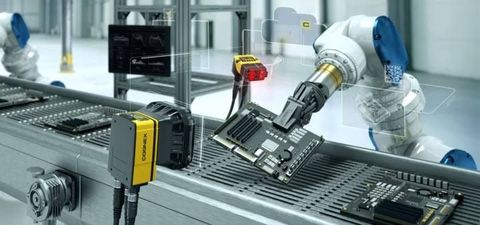
Throughout 2025 and early 2026, many fabrication facilities expanded the use of robotic welding systems, automated cutting equipment, and digital production monitoring platforms. Automation helps improve precision while reducing production variability.
Increased Adoption of Smart Manufacturing
Industrial Internet of Things (IIoT) technologies continue to gain attention. Connected fabrication equipment allows manufacturers to monitor machine performance, maintenance requirements, and production efficiency in real time.
Expansion of Sustainable Manufacturing Practices
Environmental considerations remain a major focus. Many organizations have increased efforts to reduce carbon emissions, improve energy efficiency, and utilize recycled steel materials.
Digital Twin Technology
Digital twin systems are becoming more common in manufacturing environments. These virtual models help engineers simulate production processes before physical fabrication begins.
Advanced Cutting Technologies
Modern fabrication facilities increasingly use:
- Fiber laser cutting systems
- CNC plasma cutting equipment
- Automated waterjet systems
- Precision machining centers
These technologies support higher accuracy and reduced material waste.
Industry Technology Adoption Overview
| Technology | Industry Adoption Trend |
|---|---|
| CNC Fabrication | High |
| Robotic Welding | Increasing |
| Laser Cutting | High |
| Digital Twin Systems | Growing |
| AI-Based Monitoring | Emerging |
| IIoT Manufacturing Platforms | Growing |
Steel Fabrication and Regulatory Compliance
Steel fabrication manufacturing is influenced by numerous regulations, quality standards, and safety requirements. These frameworks help ensure product reliability, worker safety, and environmental responsibility.
Manufacturers must often comply with construction codes, engineering specifications, workplace safety regulations, and environmental standards.
Common areas of regulatory oversight include:
- Structural integrity requirements
- Welding qualification standards
- Material traceability requirements
- Occupational safety practices
- Environmental emissions controls
- Waste management procedures
Quality certification programs are also important within the fabrication industry. Many organizations adopt internationally recognized management systems to demonstrate consistent manufacturing practices.
Common Standards Referenced in Fabrication
| Standard Area | Purpose |
|---|---|
| Quality Management | Process consistency |
| Welding Standards | Safe and reliable welds |
| Structural Design Codes | Engineering compliance |
| Environmental Standards | Sustainability practices |
| Workplace Safety Rules | Worker protection |
Government infrastructure programs in many regions continue to encourage modernization of manufacturing facilities, investment in advanced equipment, and development of sustainable industrial practices.
Helpful Tools and Resources
Various digital tools and technical resources support steel fabrication planning, engineering, and quality management.
Design and Engineering Software
Popular categories include:
- Computer-Aided Design (CAD) software
- Building Information Modeling (BIM) platforms
- Structural analysis applications
- Manufacturing simulation tools
These systems help engineers create accurate fabrication drawings and technical specifications.
CNC Programming Platforms
Computer Numerical Control software enables automated machine operations for:
- Laser cutting
- Plasma cutting
- Milling
- Drilling
- Forming processes
Material Estimation Calculators
Engineers frequently use calculators for:
- Steel weight calculations
- Load capacity estimates
- Structural analysis
- Material utilization planning
Quality Management Systems
Digital quality management platforms assist with:
- Inspection tracking
- Documentation management
- Compliance reporting
- Audit preparation
Educational Resources
Useful learning resources include:
- Engineering publications
- Manufacturing research reports
- Industry association guidance documents
- Technical standards libraries
- Professional training platforms
Tips for Understanding Steel Fabrication
Individuals seeking a better understanding of steel fabrication can benefit from focusing on several key areas.
First, learn the difference between fabrication and steel production. Steel production creates the material itself, while fabrication transforms that material into usable products.
Second, understand the major fabrication processes such as cutting, forming, welding, machining, and finishing.
Third, explore how automation and digital technologies are changing modern manufacturing operations.
Fourth, recognize the importance of quality assurance and inspection procedures. Even small deviations can affect structural performance.
Finally, pay attention to sustainability developments, as environmental considerations continue to influence manufacturing practices worldwide.
Steel Fabrication Process Flow
Raw Steel
    ↓
Engineering Design
    ↓
Material Preparation
    ↓
Cutting Operations
    ↓
Forming & Shaping
    ↓
Welding & Assembly
    ↓
Surface Finishing
    ↓
Inspection & Testing
    ↓
Completed Product
Frequently Asked Questions
What is steel fabrication manufacturing?
Steel fabrication manufacturing is the process of converting raw steel materials into finished components and structures through cutting, bending, welding, machining, and assembly techniques.
What industries use fabricated steel products?
Fabricated steel products are commonly used in construction, infrastructure, transportation, energy, manufacturing, aerospace, and industrial equipment sectors.
Why is automation important in steel fabrication?
Automation improves precision, consistency, efficiency, and production monitoring while helping manufacturers maintain high-quality standards.
What technologies are commonly used in modern fabrication facilities?
Common technologies include CNC machines, robotic welding systems, laser cutting equipment, digital design software, manufacturing simulation platforms, and IIoT monitoring systems.
How does steel fabrication support sustainability?
Steel fabrication supports sustainability through material recycling, efficient resource utilization, reduced waste generation, and the adoption of energy-efficient manufacturing technologies.
What role does quality control play in fabrication?
Quality control helps ensure fabricated components meet engineering specifications, safety requirements, and regulatory standards while maintaining product reliability.
Conclusion
Steel fabrication manufacturing is a foundational element of modern industry and infrastructure. Through specialized processes such as cutting, forming, welding, machining, and assembly, raw steel is transformed into products that support countless applications across multiple sectors.
Recent advancements in automation, digital manufacturing, robotic systems, and sustainability initiatives continue to reshape the industry. At the same time, regulatory requirements and quality standards remain essential for ensuring safety, reliability, and operational excellence.
As technology evolves, steel fabrication manufacturing is expected to become increasingly efficient, connected, and environmentally conscious. Understanding the principles, processes, trends, and resources associated with this field provides valuable insight into one of the most important sectors of the global manufacturing landscape.