Solar Monitoring Systems Guide: Real-Time Tracking and Performance Analysis
Solar energy has become an important part of modern power generation. Homes, factories, farms, and commercial buildings now use solar panels to produce electricity from sunlight.
However, generating solar energy is only one part of the process. Tracking system performance is equally important. This is where solar monitoring systems play a major role.
A monitoring system helps users understand how much energy their solar setup produces every day. It also shows whether the panels are working correctly or if there are performance issues. Real-time tracking makes it easier to identify problems before they become serious.
Modern monitoring tools provide detailed data, visual reports, and instant alerts. These insights help improve energy efficiency and support better long-term planning. Many industries now use industrial solar performance analytics to track large-scale energy production and improve operational efficiency.
As solar installations continue to grow worldwide, monitoring technology is becoming more advanced and more useful for both small and large energy setups.
Understanding the Concept
Solar monitoring refers to the process of observing and analyzing the performance of a solar power system. It collects information from solar panels, inverters, batteries, and other components to show how efficiently the system is working.
The main goal is to provide accurate and real-time information about energy production and system health.
A monitoring setup usually tracks:
- Daily energy generation
- Panel efficiency
- Battery status
- Weather impact
- Power usage patterns
- System faults or interruptions
For example, if one solar panel produces less energy than others, the monitoring system can identify the issue quickly. This helps prevent energy loss and improves overall performance.
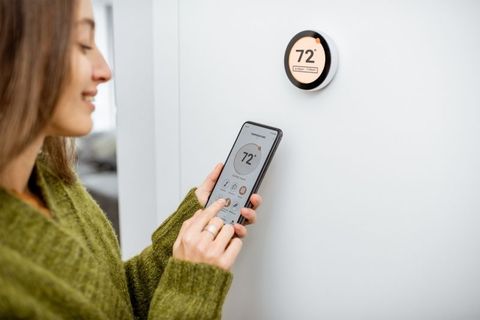
Many modern systems use cloud-based dashboards that display charts, graphs, and notifications. A remote solar monitoring platform allows users to check solar performance from a phone, tablet, or computer from almost anywhere.
Key Types or Categories
Different monitoring systems are designed for different solar installations. Each category supports specific energy requirements and operational goals.
Residential Monitoring Systems
These systems are commonly used in homes. They focus on:
- Basic energy tracking
- Household power usage
- Battery backup information
- Daily production reports
Homeowners can easily monitor how much electricity their rooftop panels generate during the day.
Commercial Monitoring Systems
Commercial buildings often require larger monitoring setups. These systems provide:
- Multi-building tracking
- Detailed energy reports
- Performance comparison tools
- Energy efficiency analysis
Businesses use these insights to reduce unnecessary energy waste.
Utility-Scale Monitoring Systems
Large solar farms use advanced monitoring technology for handling massive energy production.
Features often include:
- Centralized control dashboards
- Automated fault detection
- Weather-based performance analysis
- Real-time production monitoring
- Historical data analysis
These systems often depend heavily on industrial solar performance analytics for operational management.
Hybrid Monitoring Systems
Hybrid systems combine solar panels with batteries or other energy sources. Monitoring tools help manage energy flow between different components.
This type of monitoring is useful in areas with unstable electricity supply or changing weather conditions.
Important Subsections
Panel-Level Monitoring
Panel-level tracking monitors each solar panel individually. This helps identify:
- Dirt buildup
- Shading problems
- Damaged panels
- Wiring issues
If one panel underperforms, the system can detect it immediately.
Inverter Monitoring
The inverter converts solar energy into usable electricity. Monitoring inverter activity helps ensure smooth energy conversion.
Important inverter data includes:
- Voltage levels
- Energy conversion rates
- System temperature
- Fault warnings
Battery Monitoring
Battery tracking is essential in setups with energy storage. Monitoring helps users understand:
- Charging cycles
- Remaining backup power
- Battery health
- Energy usage patterns
How It Works
Solar monitoring systems work by collecting data from various components within the solar setup.
The process usually follows these steps:
Step 1: Data Collection
Sensors installed within the solar system gather information such as:
- Energy generation
- Temperature
- Voltage
- Current flow
- Battery performance
Step 2: Data Transmission
The collected information is transferred to a central monitoring unit through wired or wireless communication.
Some systems use internet-based connections for remote access.
Step 3: Data Analysis
The monitoring platform analyzes the incoming information and converts it into easy-to-read visuals.
This may include:
- Charts
- Energy graphs
- Efficiency reports
- Performance comparisons
Step 4: Real-Time Alerts
If the system detects abnormal activity, alerts are generated immediately.
For example:
- Sudden energy drop
- Inverter overheating
- Battery malfunction
- Connection interruption
These notifications help users respond quickly.
Step 5: Performance Optimization
The system continuously studies operational patterns to improve energy efficiency over time.
Many industries use industrial solar performance analytics to identify long-term performance trends and maintenance needs.
Benefits and Advantages
Solar monitoring systems provide many practical advantages for users across different industries.
Improved Energy Efficiency
Monitoring helps identify underperforming components quickly. This improves overall energy production.
Early Problem Detection
Real-time alerts reduce the risk of major equipment damage by identifying issues early.
Better Energy Planning
Users can study energy production trends and plan electricity usage more effectively.
Reduced Downtime
Quick issue detection helps minimize interruptions in energy generation.
Easier Maintenance Management
Maintenance teams can identify exact problem areas instead of inspecting the entire system manually.
Remote Accessibility
A remote solar monitoring platform allows users to check system performance from almost anywhere.
This is especially useful for:
- Large industrial facilities
- Solar farms
- Multi-location operations
- Remote installations
Environmental Awareness
Monitoring systems help users understand how much clean energy they produce and how much traditional energy usage they reduce.
Real-World Examples or Applications
Solar monitoring technology is used in many everyday situations.
Smart Homes
Homeowners use monitoring dashboards to track daily electricity generation and battery backup levels.
For example, a family may notice lower energy production during cloudy days and adjust energy usage accordingly.
Manufacturing Facilities
Factories often use industrial solar performance analytics to monitor high-energy operations.
These systems help facility managers:
- Track energy-intensive equipment
- Improve operational efficiency
- Reduce energy waste
- Maintain stable production
Agricultural Operations
Farms use solar monitoring systems for irrigation pumps, greenhouse lighting, and water systems.
Monitoring helps ensure uninterrupted operation during critical farming activities.
Educational Institutions
Schools and universities use monitoring dashboards to teach students about renewable energy and sustainability.
Students can observe real-time energy generation and weather-related performance changes.
Remote Infrastructure
Remote communication towers and isolated facilities often depend on solar power systems.
A remote solar monitoring platform allows technicians to observe system health without visiting the site physically.
Important Factors to Understand
Several important factors influence the effectiveness of a monitoring system.
Data Accuracy
Accurate sensors are essential for reliable performance tracking.
Poor-quality data may lead to incorrect analysis and delayed issue detection.
Internet Connectivity
Some monitoring systems depend on stable internet connections for remote access and cloud-based reporting.
Weak connectivity may delay updates or alerts.
Weather Conditions
Solar performance changes based on sunlight, temperature, and weather patterns.
Monitoring tools help users understand these environmental effects.
System Scalability
As energy needs grow, the monitoring system should support additional panels, batteries, or equipment.
User Interface Simplicity
Easy-to-understand dashboards improve user experience.
Simple charts and visual reports make technical information easier for general users to understand.
Data Security
Modern systems often store operational information online. Secure data management is important for protecting system information and operational records.
Future Trends and Industry Insights
Solar monitoring technology continues to evolve rapidly. Future systems are expected to become more intelligent, automated, and data-focused.
Artificial Intelligence Integration
AI-based analytics may help predict equipment failures before they occur.
This can improve maintenance planning and reduce operational interruptions.
Advanced Predictive Analytics
Future industrial solar performance analytics tools may provide:
- Weather forecasting integration
- Energy demand prediction
- Automated efficiency recommendations
- Long-term system health analysis
Mobile-Based Monitoring
More users now prefer smartphone-based dashboards for easy system access and instant notifications.
Smart Grid Integration
Future solar monitoring systems may interact directly with smart electrical grids for better energy distribution and management.
Improved Visualization Tools
Interactive graphs and visual reporting tools are becoming more advanced and user-friendly.
This helps users understand energy data more clearly.
Expansion of Remote Operations
As solar installations expand into remote regions, the importance of a reliable remote solar monitoring platform will continue to increase.
Conclusion
Solar monitoring systems play an important role in modern renewable energy management. They help users track energy production, detect issues early, and improve system efficiency through real-time analysis.
From residential rooftops to large industrial facilities, monitoring technology supports smarter energy decisions and more reliable solar performance. Features such as remote access, detailed analytics, and automated alerts make these systems valuable across many industries.
As renewable energy adoption continues to grow, monitoring technology will become even more advanced. Innovations in predictive analytics, mobile accessibility, and intelligent data analysis will further improve solar energy management in the coming years.
Understanding how these systems work helps users maximize energy efficiency while supporting cleaner and more sustainable power generation.