Smart Electric Cooking Tips for Safe Kitchen Setup
Electric cooking has become a practical choice for modern kitchens because it combines convenience, energy efficiency, and improved safety. From compact apartments to large family homes, many households now prefer an induction cooking stove or electric stove for daily meal preparation. Modern appliances are designed to reduce heat loss, improve cooking precision, and create a cleaner cooking environment.
A well-planned kitchen setup can make electric cooking more comfortable and safe. Whether using an induction electric cooker or a built in electric cooking system, understanding proper placement, maintenance, and cooking habits is important. Small adjustments in the kitchen can help prevent accidents, improve appliance performance, and support better cooking experiences.
Understanding Modern Electric Cooking Systems
Electric cooking appliances are available in several forms, including traditional electric stove models, smooth-top cookers, and induction-based systems. Each type uses electricity differently, but all focus on controlled heating and easy operation.
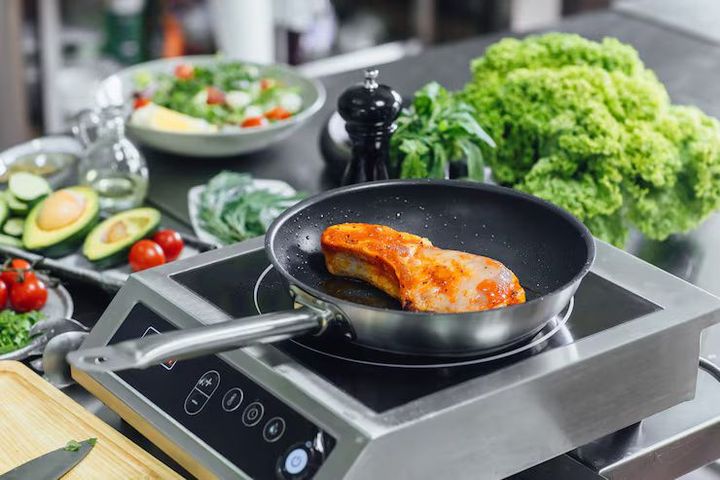
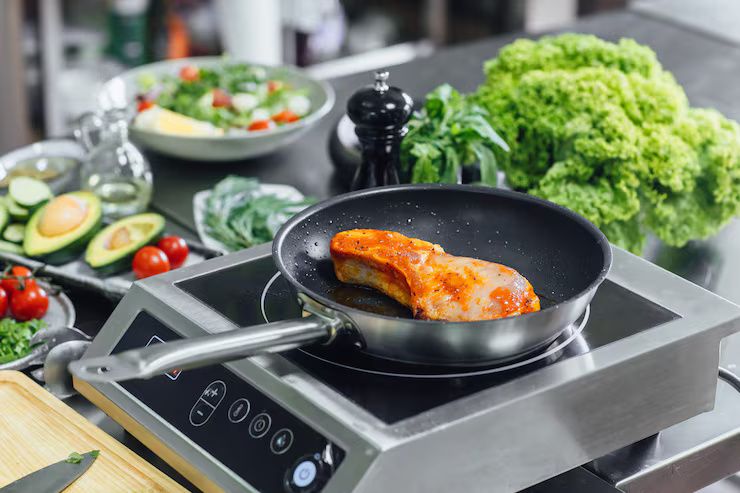
An induction cooking stove uses electromagnetic technology to heat cookware directly. This process reduces wasted heat and allows faster cooking. Many users prefer induction systems because the cooking surface remains cooler than traditional stovetops.
An electric gas stove style appliance may combine electric ignition systems with modern heating controls. These appliances are often selected for their consistent temperature management and simple maintenance requirements.
Built in electric cooking systems are becoming popular in modular kitchens. They save space and create a clean appearance while improving kitchen organization.
Benefits of Electric Cooking Appliances
Electric cooking systems offer several practical advantages for households:
- Cleaner indoor cooking environment
- Better temperature consistency
- Reduced open flame risks
- Easier surface cleaning
- Modern safety controls
- Improved energy efficiency
Many induction electric cooker models also include automatic shut-off functions and child-lock features, making them suitable for homes with children.
Choosing the Right Kitchen Layout
Kitchen layout plays an important role in safe electric cooking. Appliances should be placed where airflow is sufficient and movement remains comfortable during cooking activities.
When installing an electric stove, keep enough distance between the cooking area and water sources such as sinks. Electrical appliances should remain dry to avoid short circuits or accidental damage.
A safe layout should include:
| Kitchen Element | Recommended Practice |
|---|---|
| Cooking Zone | Keep clear of clutter |
| Electrical Outlet | Use grounded sockets |
| Ventilation | Maintain proper airflow |
| Counter Space | Leave room for hot cookware |
| Appliance Placement | Keep away from curtains |
| Storage Area | Store flammable items separately |
Proper spacing also helps prevent overheating and allows easier cleaning around the appliance.
Safe Electrical Connections for Cooking Appliances
Electrical safety is one of the most important parts of electric cooking. Many accidents occur because of overloaded circuits or poor-quality wiring.
Always ensure that the kitchen electrical system can handle the power requirements of an induction cooking stove or built in electric appliance. Heavy-duty cooking systems often require dedicated circuits for stable performance.
Important electrical safety practices include:
- Avoid extension cords for major appliances
- Inspect power cables regularly
- Keep plugs dry and clean
- Use surge protection if needed
- Turn off appliances after use
Professional installation is recommended for larger built in electric systems because correct wiring improves both safety and appliance lifespan.
Ventilation and Heat Management
Even though electric cooking creates less smoke compared to some traditional methods, ventilation remains important. Cooking vapors, steam, and heat can still affect indoor air quality.
A kitchen should include proper airflow through exhaust fans, chimneys, or windows. Ventilation helps remove grease particles and moisture that may accumulate during cooking.
Heat management is also important for appliance efficiency. Avoid blocking ventilation openings around the induction electric cooker or electric stove. Restricted airflow may reduce appliance performance over time.
Cookware Selection for Electric Cooking
Not all cookware performs equally on electric cooking systems. Choosing compatible cookware improves heating efficiency and cooking consistency.
Induction cooking stove systems require magnetic cookware materials such as cast iron or certain stainless steel products. Aluminum or glass cookware may not function unless specifically designed for induction use.
When selecting cookware, consider:
- Flat-bottom pans for even heating
- Heat-resistant handles
- Proper size matching the burner
- Durable non-warping materials
Using the correct cookware reduces energy waste and improves cooking precision.
Daily Safety Habits in the Kitchen
Daily cooking habits strongly influence kitchen safety. Small precautions can prevent many common accidents related to electric cooking.
Keep cooking surfaces dry before turning on the appliance. Water near electrical controls can increase risks. After cooking, allow the surface to cool before cleaning.
Other useful habits include:
- Avoid leaving cooking unattended
- Keep children away from hot surfaces
- Use oven mitts when handling cookware
- Clean spills immediately
- Avoid storing items above the stove
An organized kitchen creates a safer cooking environment and helps reduce distractions during meal preparation.
Cleaning and Maintenance Tips
Regular cleaning helps electric cooking appliances maintain performance and appearance. Food residue and grease buildup may affect heating efficiency if ignored for long periods.
Smooth-top electric stove surfaces should be cleaned with soft cloths and non-abrasive cleaners. Harsh scrubbing tools may scratch the surface and reduce durability.
For induction electric cooker systems:
- Remove spills quickly
- Keep air vents clean
- Inspect touch controls regularly
- Avoid heavy impacts on glass surfaces
Maintenance should also include checking electrical connections occasionally for signs of wear or overheating.
Energy Efficiency and Smart Cooking Practices
Electric cooking appliances can support better energy management when used correctly. Efficient cooking methods reduce electricity consumption while improving meal preparation speed.
Some useful energy-saving habits include:
- Cover pans while cooking
- Match cookware size to burner size
- Use residual heat after turning off the stove
- Preheat only when necessary
- Keep cookware bottoms clean
Induction cooking stove systems are especially efficient because they transfer energy directly to cookware instead of heating the surrounding air.
Modern built in electric appliances may also include programmable timers and smart cooking settings that support efficient operation.
Child Safety and Family-Friendly Kitchens
Family kitchens require additional safety planning when using electric cooking appliances. Children may accidentally touch hot surfaces or controls if precautions are not in place.
Many newer induction electric cooker systems include child-lock settings that prevent accidental activation. These features can improve household safety significantly.
Parents can also improve kitchen safety by:
- Turning pot handles inward
- Keeping cables out of reach
- Avoiding loose clothing near cooking areas
- Creating child-free cooking zones
Teaching basic kitchen awareness from an early age also helps children understand safe cooking behavior.
Common Mistakes to Avoid
Some kitchen mistakes can reduce the performance and safety of electric cooking appliances. Awareness of these issues helps prevent long-term damage.
Common mistakes include:
- Using damaged cookware
- Blocking appliance ventilation
- Ignoring unusual smells or sounds
- Using unsuitable cleaning products
- Overloading electrical outlets
Proper appliance usage helps maintain efficiency and reduces the likelihood of electrical problems.
Future Trends in Electric Cooking
Electric cooking technology continues to improve as kitchens become more connected and energy conscious. Smart appliances now include digital controls, automatic cooking programs, and energy monitoring features.
Built in electric kitchen systems are becoming more compact and visually streamlined. Many homeowners prefer integrated designs that maximize counter space and improve kitchen organization.
Induction cooking stove technology is also advancing with features such as:
- Smart pan detection
- Flexible cooking zones
- Touchscreen controls
- Wi-Fi monitoring
- Temperature sensors
These developments continue to improve safety, convenience, and cooking precision for modern households.
Conclusion
Smart electric cooking combines convenience, safety, and efficiency for modern kitchens. Whether using an electric stove, induction cooking stove, or built in electric system, proper setup and maintenance are essential for safe daily cooking.
Careful appliance placement, strong electrical safety practices, proper cookware selection, and regular cleaning can improve both safety and performance. Modern electric cooking systems also support energy-efficient cooking while reducing many traditional kitchen risks.
As technology continues to evolve, electric cooking appliances are becoming more advanced and user-friendly. A safe and organized kitchen setup helps households enjoy the full benefits of electric cooking while supporting comfortable daily meal preparation.