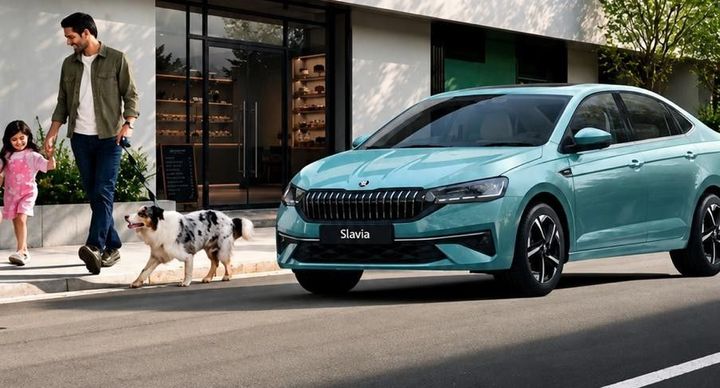
Skoda Slavia Facelift Overview: Discover Details, Advice, Knowledge, Information and Key Facts
The Skoda Slavia Facelift refers to an updated version of the Slavia sedan that introduces design refinements, technology enhancements, and feature improvements while maintaining the core characteristics of the original model. A facelift is typically introduced by automotive manufacturers to keep a vehicle relevant in a competitive market without developing an entirely new generation.
Modern vehicle facelifts often focus on improving aesthetics, safety, digital connectivity, and driving convenience. These updates help manufacturers respond to changing consumer expectations, advancements in automotive engineering, and evolving regulatory requirements.
The Skoda Slavia has been positioned as a premium midsize sedan known for its spacious cabin, safety-focused design, and efficient engine options. A facelift allows the model to remain aligned with current automotive trends while continuing to serve drivers seeking a balance of comfort, technology, and practicality.
Key Areas Commonly Addressed in a Facelift
| Component | Potential Improvements |
| Exterior Design | Updated grille, lighting, bumpers |
| Interior Features | Improved infotainment systems |
| Safety Technology | Enhanced driver assistance features |
| Connectivity | Smartphone integration and digital services |
| Comfort | Cabin refinements and convenience upgrades |
| Efficiency | Optimized engine and transmission tuning |
Why the Skoda Slavia Facelift Matters
The automotive industry continues to evolve rapidly due to technological innovation, stricter safety standards, and changing customer expectations. Updated sedan models remain important because they provide practical transportation while incorporating modern technology.
For consumers, a facelifted vehicle can introduce:
- Improved safety systems
- Better infotainment experiences
- Enhanced connectivity features
- Refined driving dynamics
- Updated design language
- Increased focus on efficiency
The relevance of sedans remains significant in many markets because they often provide comfortable highway performance, stable driving characteristics, and efficient use of interior space.
Impact on Different Groups
Vehicle Owners
Existing owners gain insight into technological advancements and evolving design trends within the model lineup.
Automotive Enthusiasts
Facelift updates offer opportunities to compare engineering improvements and design evolution across different model years.
Industry Analysts
Vehicle updates provide indicators of broader market trends, including consumer demand for digital technology, safety systems, and connected mobility solutions.
Fleet and Corporate Users
Updated features may contribute to better comfort, safety, and operational efficiency for professional transportation purposes.
Recent Updates and Industry Trends
The automotive sector has experienced several notable developments during the past year, influencing how manufacturers approach vehicle updates and facelifts.
Growth of Connected Car Technology
Throughout 2025 and 2026, automotive manufacturers continued expanding connected vehicle capabilities. Features such as wireless smartphone integration, cloud-based services, digital instrument clusters, and remote vehicle monitoring have become increasingly common.
Focus on Advanced Safety Features
Recent vehicle launches across multiple brands have shown greater emphasis on:
- Electronic Stability Control (ESC)
- Multiple airbags
- Tire pressure monitoring systems
- Rear parking assistance
- Driver attention monitoring
- Advanced Driver Assistance Systems (ADAS)
Digital Cockpit Enhancements
Automotive manufacturers are increasingly replacing traditional controls with larger touchscreens, customizable displays, and integrated navigation systems.
Sustainability and Efficiency Trends
The industry continues to focus on:
- Improved fuel efficiency
- Lower emissions
- Lightweight materials
- Smart powertrain technologies
- Electrification research
Automotive Technology Adoption Trend
Technology Adoption Trend

Connected Features       ██████████████ 85%
Digital Displays         █████████████ 80%
Safety Systems           ████████████ 75%
Remote Connectivity      ███████████ 70%
ADAS Features            ██████████ 65%
This trend illustrates how modern vehicles increasingly prioritize technology integration alongside traditional performance and comfort considerations.
Regulations, Policies, and Compliance Factors
Automotive development is heavily influenced by regulations and public policy initiatives. Vehicle facelifts frequently incorporate updates designed to align with current standards.
Vehicle Safety Regulations
Many regions have introduced stricter safety requirements that influence vehicle design. Common regulatory areas include:
- Crash protection standards
- Occupant safety systems
- Airbag requirements
- Electronic stability technologies
- Child safety provisions
Manufacturers often use facelift programs as opportunities to integrate compliance-related enhancements.
Emissions and Environmental Standards
Environmental regulations continue to shape vehicle engineering decisions.
Important focus areas include:
- Reduced emissions
- Improved engine efficiency
- Cleaner fuel technologies
- Sustainable manufacturing processes
Digital Safety and Data Protection
Connected vehicles generate and process increasing amounts of data. Automotive companies must address:
- Cybersecurity protections
- Data privacy requirements
- Software update management
- Secure connectivity frameworks
Transportation Modernization Programs
Many governments support broader transportation modernization through:
- Smart mobility initiatives
- Intelligent transportation systems
- Infrastructure upgrades
- Vehicle safety awareness programs
These initiatives encourage manufacturers to incorporate advanced digital technologies into updated vehicle models.
Useful Tools and Resources
Individuals researching automotive technology and vehicle updates can benefit from a variety of resources.
Automotive Research Resources
- Manufacturer product information portals
- Vehicle specification databases
- Safety assessment publications
- Automotive engineering journals
- Industry trend reports
Useful Digital Tools
| Tool Type | Purpose |
| Fuel Efficiency Calculators | Estimate consumption patterns |
| Vehicle Comparison Tools | Compare specifications |
| Insurance Calculators | Understand coverage estimates |
| Maintenance Trackers | Monitor service schedules |
| Navigation Applications | Route planning and travel assistance |
| Automotive News Platforms | Track industry developments |
Educational Resources
Helpful learning resources may include:
- Automotive technology publications
- Road safety organizations
- Vehicle ownership guides
- Connected mobility reports
- Engineering research platforms
Important Features Often Evaluated in Modern Sedans
When reviewing a facelifted vehicle, analysts and consumers commonly assess:
- Cabin technology
- Safety systems
- Driver assistance features
- Comfort enhancements
- Fuel efficiency improvements
- Connectivity functions
- Interior quality
- Exterior design refinements
These factors help determine how effectively a facelift addresses changing market expectations.
Frequently Asked Questions
What is a vehicle facelift?
A vehicle facelift is an update to an existing model that introduces design, technology, safety, or feature improvements without creating a completely new generation of the vehicle.
Does a facelift usually change the engine?
Not always. Some facelifts focus primarily on design and technology enhancements, while others may include powertrain refinements for improved efficiency or performance.
Why do manufacturers introduce facelift models?
Facelifts help keep vehicles competitive, address changing customer preferences, incorporate new technologies, and align with updated safety or environmental regulations.
What technologies are commonly added in modern facelifts?
Common additions include larger infotainment systems, digital instrument displays, smartphone connectivity, advanced safety systems, connected services, and driver assistance technologies.
How do regulations influence facelift updates?
Manufacturers often update safety systems, emissions controls, and connectivity features to comply with evolving regulatory requirements and industry standards.
Conclusion
The Skoda Slavia Facelift represents the broader automotive industry's approach to continuous improvement through design refinement, enhanced technology, and updated safety features. Rather than introducing a completely new vehicle generation, a facelift allows manufacturers to modernize existing models and align them with evolving market expectations.
Current automotive trends emphasize connected mobility, digital experiences, safety innovation, environmental responsibility, and intelligent vehicle systems. These developments continue to influence how manufacturers update sedan models and shape the future of personal transportation.
For readers interested in automotive technology, vehicle safety systems, connected car platforms, automotive finance insights, vehicle insurance considerations, and smart mobility trends, understanding facelift programs provides valuable knowledge about how modern vehicles evolve to meet changing transportation needs.