SCADA System Software: Industrial Automation Knowledge and Monitoring Solutions
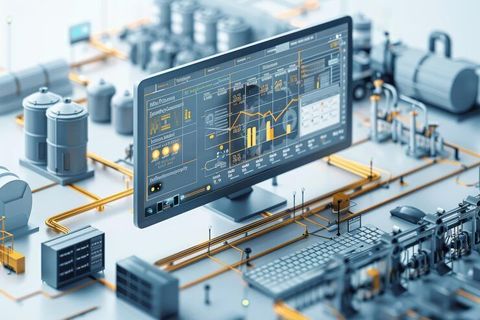
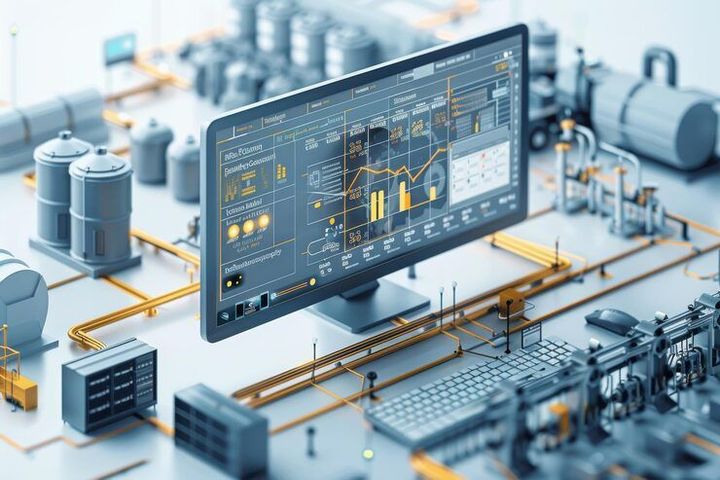
SCADA System Software, short for Supervisory Control and Data Acquisition software, is a technology platform used to monitor, control, and manage industrial processes. It enables operators to collect data from machines, sensors, and equipment while providing a centralized interface for viewing and controlling operations.
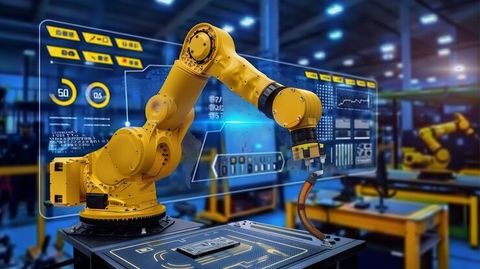
SCADA software plays a major role in industrial automation by connecting physical equipment with digital monitoring systems. Industries such as manufacturing, energy, water treatment, transportation, oil and gas, and utilities use SCADA platforms to improve visibility, efficiency, and operational reliability.
As industries continue adopting digital transformation strategies, SCADA software remains one of the most important technologies for real-time monitoring, process control, and data-driven decision-making.
How SCADA System Software Works
SCADA software acts as the central layer between industrial equipment and operators. It gathers information from field devices and presents it through graphical interfaces.
The process generally follows these steps:
- Sensors collect operational data
- Programmable Logic Controllers (PLCs) process signals
- Remote Terminal Units (RTUs) transmit information
- Communication networks transfer data
- SCADA software receives and analyzes information
- Human Machine Interface (HMI) dashboards display system status
- Operators monitor and control processes when required
This structure allows industrial facilities to maintain continuous oversight of operations while reducing manual monitoring requirements.
Main Components of a SCADA System
| Component | Function |
|---|---|
| Sensors | Measure variables such as temperature, pressure, flow, and level |
| PLCs | Control industrial processes and execute automation logic |
| RTUs | Collect data from remote locations and transmit it |
| Communication Network | Transfers information between devices and software |
| HMI | Provides graphical visualization for operators |
| SCADA Software | Central platform for monitoring, control, analysis, and reporting |
These components work together to create an integrated industrial control environment.
Key Features of SCADA System Software
Real-Time Monitoring
- Tracks equipment performance continuously
- Displays current operating conditions
- Detects abnormal behavior quickly
Data Acquisition
- Collects operational data automatically
- Stores historical records
- Supports performance analysis
Alarm Management
- Generates alerts when conditions exceed limits
- Helps operators respond faster
- Improves operational safety
Remote Access
- Enables monitoring from different locations
- Supports distributed operations
- Improves management efficiency
Reporting and Analytics
- Produces performance reports
- Identifies trends and patterns
- Supports operational optimization
Visualization Dashboards
- Provides graphical process displays
- Improves situational awareness
- Simplifies system management
Importance of SCADA System Software
Modern industrial operations involve thousands of data points that must be monitored continuously. SCADA software helps organizations manage this complexity efficiently.
Key benefits include:
Improved Operational Visibility
- Centralized monitoring of equipment
- Better understanding of process conditions
- Faster identification of issues
Increased Productivity
- Reduced downtime
- Faster troubleshooting
- Improved resource utilization
Enhanced Safety
- Continuous monitoring of critical systems
- Automated alarm notifications
- Reduced exposure to hazardous environments
Better Decision Making
- Access to real-time information
- Historical performance analysis
- Data-supported operational planning
Scalability
- Supports facility expansion
- Integrates with additional equipment
- Adapts to changing operational requirements
Common Industrial Applications
SCADA software is used across many sectors because of its flexibility and monitoring capabilities.
Manufacturing
- Production line monitoring
- Machine performance tracking
- Quality control management
Energy and Utilities
- Power generation monitoring
- Electrical grid supervision
- Renewable energy management
Water and Wastewater
- Pump station control
- Water treatment monitoring
- Distribution network management
Oil and Gas
- Pipeline monitoring
- Refinery process control
- Storage facility management
Transportation
- Traffic management systems
- Railway signaling supervision
- Infrastructure monitoring
Building Management
- HVAC monitoring
- Energy management
- Facility automation
Problems SCADA Software Helps Solve
Industrial facilities face numerous operational challenges. SCADA systems help address many of them.
Limited Process Visibility
- Provides centralized monitoring
- Displays system-wide information
Unexpected Equipment Failures
- Detects anomalies early
- Supports preventive maintenance
Manual Data Collection
- Automates information gathering
- Reduces human errors
Slow Incident Response
- Generates instant alerts
- Improves response times
Inefficient Resource Usage
- Tracks performance metrics
- Supports optimization initiatives
Types of SCADA Systems
Over the years, SCADA technology has evolved significantly.
Traditional SCADA
- Localized architecture
- Limited connectivity
- Primarily on-premises deployment
Networked SCADA
- Connected through enterprise networks
- Supports broader communication
- Improved information sharing
Web-Based SCADA
- Accessible through web browsers
- Simplified remote monitoring
- Flexible deployment options
Cloud-Integrated SCADA
- Uses cloud computing resources
- Supports large-scale data analysis
- Enables global accessibility
SCADA and Industrial IoT Integration
Industrial Internet of Things (IIoT) technologies are transforming SCADA environments.
Modern systems can:
- Connect thousands of smart sensors
- Collect large operational datasets
- Support predictive maintenance
- Enable advanced analytics
- Improve asset management
- Facilitate digital transformation strategies
The integration of SCADA and Industrial IoT platforms creates more intelligent and connected industrial environments.
Cybersecurity Considerations
As SCADA systems become more connected, cybersecurity has become increasingly important.
Organizations commonly implement:
Access Control
- User authentication
- Role-based permissions
- Multi-factor verification
Network Security
- Firewalls
- Secure communication protocols
- Network segmentation
Continuous Monitoring
- Threat detection tools
- Security event monitoring
- Incident response procedures
Data Protection
- Backup systems
- Encryption technologies
- Secure storage practices
Industrial cybersecurity frameworks often align with standards such as IEC 62443 and guidance published by government cybersecurity agencies.
Recent Trends and Developments (2025–2026)
Several developments have influenced the SCADA software market during the last year.
Artificial Intelligence Integration
- AI-assisted anomaly detection
- Predictive maintenance capabilities
- Improved operational forecasting
Edge Computing Adoption
- Faster local data processing
- Reduced latency
- Improved reliability
Digital Twin Technologies
- Virtual representations of physical assets
- Advanced simulation capabilities
- Enhanced operational planning
Cloud-Native Architectures
- Flexible deployment models
- Improved scalability
- Enhanced collaboration across locations
Advanced Cybersecurity Enhancements
- Zero-trust security models
- Improved threat intelligence
- Stronger industrial network protection
These developments reflect the growing demand for smarter and more connected industrial automation systems throughout 2025 and 2026.
Regulations and Standards Relevant to SCADA Systems
Several standards influence the development and operation of SCADA environments.
IEC 62443
- Industrial cybersecurity framework
- Guidance for secure automation systems
ISA Standards
- Industrial automation best practices
- System integration recommendations
NIST Cybersecurity Framework
- Risk management guidance
- Security improvement strategies
ISO 27001
- Information security management principles
- Data protection practices
Organizations often use these standards to improve operational resilience and cybersecurity readiness.
Useful Tools and Learning Resources
Professionals interested in SCADA technology often explore the following platforms and resources.
Popular SCADA Platforms
- Ignition
- AVEVA System Platform
- Siemens WinCC
- GE Digital iFIX
- Schneider Electric EcoStruxure
- Rockwell FactoryTalk View
Learning Resources
- Industrial automation training programs
- PLC programming courses
- IEC 62443 cybersecurity documentation
- Industrial IoT educational materials
- Manufacturing technology publications
These resources help engineers, technicians, and operators build practical knowledge of industrial automation systems.
FAQs
What does SCADA stand for?
SCADA stands for Supervisory Control and Data Acquisition. It refers to software and hardware systems used to monitor and control industrial processes.
Is SCADA different from PLC systems?
Yes. PLCs perform direct control of equipment, while SCADA software provides monitoring, visualization, data collection, and supervisory control functions.
Which industries use SCADA software?
Manufacturing, utilities, water treatment, transportation, energy, mining, and oil and gas industries commonly use SCADA solutions.
Can SCADA systems support remote monitoring?
Yes. Modern SCADA platforms often support secure remote monitoring through network and web-based technologies.
Why is cybersecurity important for SCADA systems?
SCADA systems often control critical infrastructure and industrial operations. Strong cybersecurity measures help protect systems from unauthorized access and operational disruptions.
Conclusion
SCADA System Software is a foundational technology in modern industrial automation. By enabling real-time monitoring, centralized control, data acquisition, and operational analysis, it helps organizations improve efficiency, safety, and reliability.
As Industrial IoT, artificial intelligence, cloud computing, and cybersecurity technologies continue to evolve, SCADA platforms are becoming more intelligent and capable. Understanding how SCADA systems function and where they are applied is essential for anyone involved in industrial operations, process control, smart manufacturing, or digital transformation initiatives.