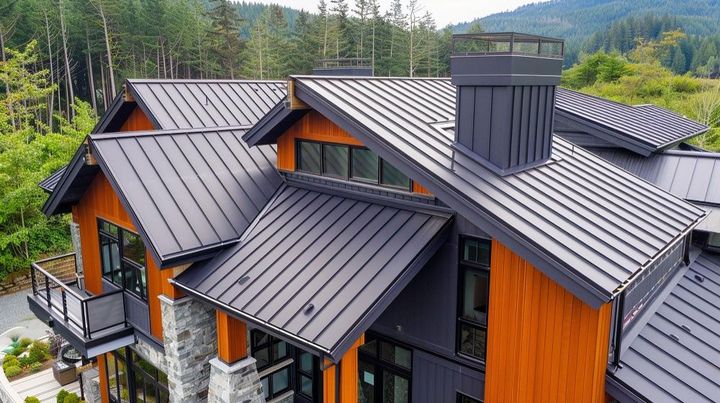
Roofing Guide for Smart Weather Resistant Homes
Roofing plays an important role in residential construction because it protects buildings from rain, sunlight, wind, temperature changes, and environmental damage. A roofing system is more than just the outer covering of a house. It includes insulation layers, ventilation systems, drainage pathways, structural support, and protective materials designed to improve long-term durability.
Modern residential roofing has evolved significantly over the past decade. Earlier roofing methods focused mainly on basic shelter and structural coverage. Today, homeowners and builders are paying closer attention to energy efficiency, climate resilience, smart home compatibility, and sustainable construction practices.
Weather-resistant roofing solutions are designed to handle changing environmental conditions such as heavy rainfall, strong winds, extreme heat, snowfall, and humidity. These systems often include advanced insulation materials, reflective coatings, ventilation channels, and moisture barriers that help maintain indoor comfort while reducing environmental stress on the building.
Smart residential roofing also supports modern technology integration. Some systems now work alongside solar energy setups, rainwater collection systems, temperature monitoring tools, and automated ventilation controls. These additions help create more adaptive and environmentally responsible homes.
The growing interest in smart roofing solutions is closely linked to urban development, rising energy consumption, and increasing awareness about climate-related construction challenges.
Why Smart Roofing Matters Today
Weather conditions have become less predictable in many regions across the world. Heat waves, storms, flooding, and seasonal shifts have increased the need for durable residential infrastructure. Roofing systems are among the first structural elements affected by harsh environmental exposure.
Smart roofing design matters because it helps reduce damage risks and supports safer living conditions. Homes with proper roofing insulation and ventilation can maintain more stable indoor temperatures during both summer and winter seasons. This improves energy efficiency and reduces pressure on cooling and heating systems.
The topic also affects several groups, including:
- Homeowners planning long-term property maintenance
- Architects designing climate-responsive buildings
- Urban housing developers
- Environmental planners
- Construction professionals
- Residential communities in disaster-prone regions
One of the major problems addressed by weather-resistant roofing is water infiltration. Poor roofing systems can lead to leaks, mold growth, insulation failure, and structural weakening. Wind-resistant materials and reinforced roof edges can reduce storm-related damage in vulnerable areas.
Another important issue is heat absorption. Traditional dark roofing materials often trap heat, increasing indoor temperatures and contributing to urban heat island effects. Reflective roofing surfaces and ventilated roof structures help reduce heat buildup and improve indoor comfort.
The table below highlights common roofing concerns and their modern solutions.
| Roofing Challenge | Modern Roofing Approach |
|---|---|
| Heat accumulation | Reflective and insulated roofing |
| Water leakage | Moisture barriers and drainage layers |
| Storm damage | Wind-resistant fastening systems |
| Poor ventilation | Smart airflow and vent systems |
| Energy inefficiency | Thermal insulation materials |
| Roof aging | UV-resistant protective coatings |
Recent Trends and Developments in Roofing
Over the past year, several developments have influenced residential roofing practices globally. In 2025 and early 2026, climate adaptation and energy-conscious construction became major priorities in the housing sector.
One important trend is the increased use of cool roofing materials. These roofing surfaces are designed to reflect more sunlight and absorb less heat. In regions experiencing higher summer temperatures, cool roofing systems are becoming more common in residential projects.
Another growing trend involves integrated solar roofing technology. Instead of separate solar panels mounted above roofs, newer systems combine energy-generating components directly into roofing materials. This approach improves visual appearance while supporting renewable energy goals.
Green roofing concepts have also received greater attention in urban areas. These systems include vegetation layers that help absorb rainwater, improve insulation, and support environmental sustainability. Although more common in commercial spaces, simplified versions are gradually appearing in residential buildings.
Digital roof inspection technology has expanded as well. Drone-based roof analysis and thermal imaging tools are increasingly used for identifying cracks, heat loss areas, and drainage issues without extensive manual inspection.
The graph below shows major roofing trends observed during 2025–2026.
| Roofing Trend | Growth in Attention |
|---|---|
| Cool roofing systems | High |
| Smart ventilation roofing | Moderate |
| Solar-integrated roofing | High |
| Green roof concepts | Moderate |
| Digital roof inspection | High |
| Recycled roofing materials | Growing |
Many housing experts also noted increased interest in climate-resilient construction after severe seasonal weather events reported during 2025 in several countries. These developments encouraged local authorities and construction planners to revisit roofing standards and disaster preparedness measures.
Roofing Regulations and Government Policies
Roofing systems are often regulated through national and local building codes. These regulations help ensure structural safety, fire resistance, drainage management, and energy efficiency.
In many countries, residential roofing rules are linked to climate conditions. Areas exposed to hurricanes, heavy snowfall, or earthquakes may require stronger roofing structures and reinforced fastening systems.
Energy efficiency regulations are another important factor. Governments in several regions encourage reflective roofing materials and insulation standards to reduce energy consumption in residential buildings.
Common roofing policy areas include:
- Fire-resistant material standards
- Rainwater drainage requirements
- Wind uplift resistance
- Thermal insulation guidelines
- Structural load capacity
- Environmental sustainability practices
Some governments also promote sustainable construction through green building certification programs. These frameworks may encourage the use of recyclable materials, energy-efficient roofing designs, and water management systems.
Urban planning departments frequently require roofing approvals during new residential construction or major renovation projects. These approvals help ensure compliance with local zoning laws and safety regulations.
In recent years, climate adaptation policies have also influenced construction standards. Updated building frameworks in several regions now encourage resilient roofing systems capable of handling stronger storms and rising temperatures.
Tools and Resources for Roofing Planning
Modern roofing projects often use digital tools and educational resources to improve planning and decision-making. These resources help homeowners and construction professionals evaluate durability, ventilation, insulation performance, and environmental impact.
Helpful roofing resources include:
- Roof pitch calculators
- Weather exposure assessment tools
- Energy efficiency estimators
- Rainwater drainage planning templates
- Thermal insulation comparison charts
- Structural load analysis software
- Building code reference guides
- Digital roof inspection applications
Some platforms also provide 3D visualization tools that allow users to preview roofing designs before construction begins. These systems can help compare roofing materials, color choices, ventilation options, and drainage layouts.
Educational resources are widely available through construction training platforms, architecture learning portals, and environmental design publications. These materials help users understand topics such as roofing lifespan, maintenance planning, waterproofing methods, and sustainable building practices.
The rise of smart home technology has also encouraged the development of roofing monitoring systems. These tools may track temperature changes, moisture levels, or ventilation performance to support preventive maintenance.
Frequently Asked Questions
What makes a roof weather resistant?
A weather-resistant roof uses materials and construction methods designed to handle rain, wind, heat, humidity, and temperature changes. This may include waterproof layers, insulation systems, reinforced fasteners, and reflective coatings.
Why is roof ventilation important in residential buildings?
Proper ventilation helps regulate indoor temperature and moisture levels. It reduces heat buildup in warmer months and helps prevent condensation that can damage insulation and structural materials.
How do cool roofing materials improve energy efficiency?
Cool roofing materials reflect more sunlight and absorb less heat compared to traditional surfaces. This helps reduce indoor temperatures and lowers pressure on cooling systems during hot weather.
Are sustainable roofing materials becoming more common?
Yes. Recycled roofing materials, reflective coatings, and environmentally friendly insulation products are becoming more widely used due to increased awareness of sustainability and energy efficiency.
How often should residential roofs be inspected?
Roof inspections are commonly recommended after severe weather events and during routine property maintenance cycles. Regular inspections help identify leaks, cracks, drainage issues, and material wear before major damage develops.
Conclusion
Roofing systems have become an important part of modern residential planning because they influence safety, comfort, energy efficiency, and environmental resilience. Smart roofing design is no longer limited to appearance alone. It now includes weather protection, ventilation performance, sustainability, and compatibility with evolving housing technologies.
As climate conditions continue to change, homeowners and construction professionals are paying greater attention to durable and adaptable roofing solutions. Recent developments in cool roofing, solar integration, moisture protection, and digital inspection tools show how the roofing industry is evolving to meet modern residential needs.