Roof Leak Repair vs Roof Replacement: Explore Guide, Tips, Insights, Facts, and Expert Advice
A roof plays an important role in protecting a building from weather, moisture, and environmental damage. Over time, roofs may develop issues such as leaks, cracked shingles, damaged flashing, or structural wear. When these problems occur, property owners often face an important decision: whether to pursue roof leak repair or complete roof replacement.
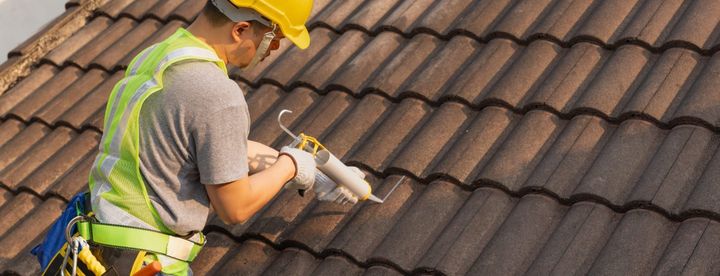
Roof leak repair focuses on identifying and correcting specific areas where water enters the building. Common repair tasks include replacing damaged shingles, sealing cracks, fixing flashing, and addressing localized water intrusion.
Roof replacement involves removing part or all of an existing roofing system and installing new roofing materials. This approach is generally considered when the roof has reached the end of its expected lifespan or when damage affects a significant portion of the structure.
Understanding the differences between these two approaches can help property owners make informed maintenance decisions and better protect their buildings over time.
Why Roof Repair and Roof Replacement Matter
Roof-related issues can affect residential, commercial, and industrial properties. Even small leaks may contribute to moisture accumulation, mold growth, insulation problems, and structural deterioration if left unaddressed.
The topic is especially important today because many roofing systems installed decades ago are reaching advanced stages of wear. Extreme weather patterns, seasonal storms, heavy rainfall, and temperature fluctuations can accelerate roofing damage and increase maintenance requirements.
The choice between repair and replacement affects:
• Building durability and longevity
• Indoor comfort and energy efficiency
• Water damage prevention
• Structural safety considerations
• Long-term maintenance planning
The following comparison highlights key differences.
| Factor | Roof Leak Repair | Roof Replacement |
|---|---|---|
| Purpose | Fixes specific problems | Renews entire roofing system |
| Scope | Localized work | Comprehensive work |
| Time Required | Usually shorter | Typically longer |
| Suitable For | Minor or isolated damage | Extensive deterioration |
| Lifespan Impact | Extends current roof life | Creates a new roof lifecycle |
| Inspection Need | Targeted evaluation | Full roof assessment |
Many roofing professionals recommend beginning with a detailed inspection before deciding which approach is appropriate.
Recent Updates and Industry Trends
The roofing industry has experienced several notable developments during 2025 and 2026.
One growing trend is the adoption of advanced roof inspection technologies. Drones, thermal imaging systems, and digital assessment tools are increasingly used to identify hidden moisture and difficult-to-detect leak locations.
Another development is the growing focus on energy-efficient roofing materials. Reflective roofing systems and enhanced insulation technologies continue to gain attention due to their potential impact on building energy performance.
Recent industry reports published throughout 2025 highlighted increased interest in climate-resilient roofing materials capable of withstanding stronger storms, higher temperatures, and changing weather conditions.
Sustainability initiatives have also influenced roofing decisions. Recycling programs for roofing materials and environmentally conscious construction practices have become more common in many regions.
The following chart illustrates common decision factors reported by property owners.
| Decision Factor | Relative Importance |
| Leak Severity | High |
| Roof Age | High |
| Structural Condition | High |
| Energy Performance | Medium |
| Weather Exposure | Medium |
| Material Condition | High |
Experts continue to emphasize regular inspections as one of the most effective methods for detecting issues before they become major structural concerns.
Regulations, Building Codes, and Policy Considerations
Roofing projects are often subject to building regulations and construction standards. Requirements vary by jurisdiction, but several common rules frequently apply.
Building codes may establish standards for:
• Roofing material performance
• Fire resistance ratings
• Wind resistance requirements
• Drainage systems
• Structural load capacity
• Energy efficiency standards
Many local authorities require permits for major roofing work, particularly when structural components are modified or replaced.
In several regions, updated building code revisions implemented during 2025 continued to place emphasis on weather resilience and energy performance standards. Property owners are generally encouraged to review local regulations before initiating major roofing projects.
Insurance requirements may also influence roofing decisions. Documentation of inspections, maintenance activities, and repair records can be useful when demonstrating roof condition following weather-related incidents.
For commercial properties, additional occupational safety regulations may govern roofing work conducted at height.
Consulting official building departments and code resources can help ensure compliance with applicable requirements.
Helpful Tools and Resources
Modern technology provides a variety of resources that can assist property owners in understanding roof conditions and maintenance needs.
Useful roofing-related tools include:
• Roof inspection checklist templates
• Moisture detection devices
• Thermal imaging assessment tools
• Digital roof measurement applications
• Weather monitoring platforms
• Roofing lifespan calculators
• Maintenance scheduling software
• Building code reference portals
• Energy efficiency assessment tools
• Property maintenance management systems
Commonly used resource categories include:
| Resource Type | Purpose |
| Inspection Checklists | Track roof condition |
| Measurement Tools | Estimate roof dimensions |
| Weather Platforms | Monitor environmental risks |
| Maintenance Apps | Schedule inspections |
| Energy Calculators | Evaluate efficiency performance |
| Building Code Databases | Review regulatory requirements |
When using online calculators or assessment tools, results should be viewed as estimates rather than definitive engineering evaluations.
Roof Leak Repair vs Roof Replacement: Key Evaluation Factors
Determining whether repair or replacement is more appropriate often depends on several factors.
Roof Age
Older roofs may experience widespread deterioration that extends beyond visible leaks. Age can provide valuable context when evaluating future maintenance needs.
Extent of Damage
Localized damage may be suitable for targeted repair. Widespread deterioration across multiple sections may require broader solutions.
Frequency of Leaks
Recurring leaks occurring in different locations may indicate underlying system-wide issues rather than isolated defects.
Structural Integrity
Damage affecting decking, supports, or other structural elements often requires more extensive evaluation.
Material Condition
Curling shingles, extensive cracking, missing materials, or widespread wear may signal advanced deterioration.
Future Maintenance Expectations
Property owners often consider projected maintenance requirements when evaluating long-term roofing strategies.
Professional inspections remain one of the most reliable methods for assessing these factors objectively.
Frequently Asked Questions
How can I tell if a roof leak needs repair or replacement?
A professional inspection typically evaluates roof age, material condition, leak severity, and structural integrity. Minor localized damage may be suitable for repair, while widespread deterioration may indicate the need for replacement.
Does a repaired roof last as long as a replaced roof?
Repairing a roof can extend its useful life, but a replacement generally establishes a new roofing lifecycle because new materials are installed across the roofing system.
What are common causes of roof leaks?
Common causes include damaged shingles, deteriorated flashing, clogged drainage systems, weather-related damage, and aging roofing materials.
How often should roofs be inspected?
Many experts recommend roof inspections at least once annually and after significant weather events. Inspection frequency may vary depending on climate and roof type.
Can technology help identify hidden roof leaks?
Yes. Thermal imaging, moisture detection equipment, drone inspections, and digital assessment tools can help identify hidden problem areas that may not be visible during standard visual inspections.
Conclusion
Roof leak repair and roof replacement serve different purposes within building maintenance and property protection. Repairs focus on correcting specific issues, while replacements address broader roofing system concerns and aging infrastructure.
The appropriate approach depends on factors such as roof age, material condition, structural integrity, and the extent of damage present. Advances in inspection technology, evolving building standards, and increasing emphasis on energy efficiency continue to shape roofing decisions worldwide.
Regular inspections, awareness of local regulations, and the use of modern assessment tools can help property owners better understand their roofing systems and make informed maintenance decisions. By evaluating conditions carefully and considering both immediate and long-term needs, building owners can support the durability, safety, and performance of their properties for years to come.