Rolex vs Rado Guide With Luxury Watch Insights And Brand Comparison
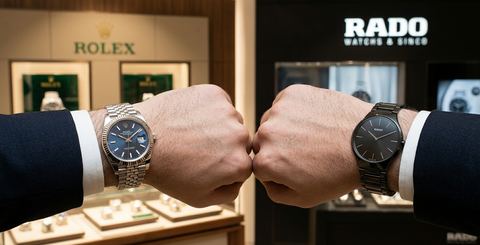
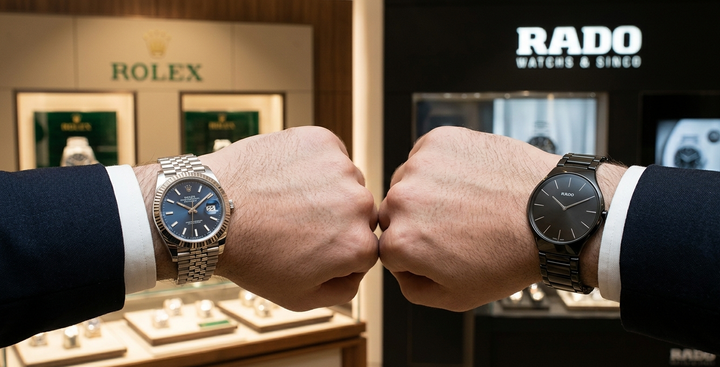
The Rolex Vs Rado comparison is one of the most discussed topics among luxury watch buyers. Both Rolex and Rado have established strong reputations in the watch industry, yet Rolex and Rado are known for different strengths. When consumers compare Rolex Vs Rado, they often want to understand which brand better matches their lifestyle, preferences, and expectations. Rolex is often associated with heritage, prestige, and traditional watchmaking, while Rado is recognized for innovation, advanced materials, and contemporary design. Because Rolex and Rado approach luxury watchmaking differently, the Rolex Vs Rado discussion remains relevant for both new buyers and experienced enthusiasts.
Global interest in luxury watches continues to grow as consumers seek products that combine functionality with craftsmanship. Rolex remains one of the most recognized luxury watch names, while Rado continues to attract attention through its focus on material technology and modern aesthetics. The Rolex Vs Rado comparison helps buyers understand how Rolex and Rado differ in design philosophy, manufacturing priorities, and ownership experience. Rather than viewing Rolex and Rado as identical luxury brands, it is useful to examine what makes Rolex unique and what makes Rado distinctive.
For many consumers, choosing between Rolex and Rado can influence long-term satisfaction. Rolex buyers may value prestige and tradition, while Rado buyers may appreciate innovation and comfort. Understanding Rolex Vs Rado helps consumers evaluate the benefits of Rolex and Rado in a practical way. Before exploring the detailed comparison, it is important to understand who benefits most from learning about Rolex Vs Rado.
Who It Affects & Problems It Solves
The Rolex Vs Rado comparison affects a wide variety of consumers. First-time luxury watch buyers often compare Rolex and Rado because both Rolex and Rado are widely recognized brands. Professionals may compare Rolex Vs Rado when selecting a watch suitable for formal environments. Collectors regularly evaluate Rolex and Rado to understand differences in heritage, craftsmanship, and ownership appeal. Even casual buyers interested in premium accessories often explore Rolex Vs Rado before making a decision.
Without a clear understanding of Rolex Vs Rado, many consumers focus only on brand awareness. While Rolex enjoys exceptional global recognition and Rado is respected for innovation, Rolex and Rado offer different ownership experiences. The Rolex Vs Rado comparison helps consumers evaluate durability, materials, maintenance requirements, comfort, design preferences, and overall value. By understanding Rolex and Rado more thoroughly, buyers can avoid making decisions based solely on appearance.
Another common challenge involves understanding how Rolex and Rado differ in long-term ownership. Rolex often appeals to buyers seeking timeless design and traditional luxury values. Rado often appeals to buyers seeking modern styling and advanced materials. Learning about Rolex Vs Rado helps consumers align their purchase with personal priorities. These considerations become even more important when examining recent developments affecting Rolex, Rado, and the broader luxury watch market.
Recent Updates
Over the past year, both Rolex and Rado have benefited from growing global interest in premium watches. Consumers increasingly view Rolex and Rado as examples of luxury brands that combine craftsmanship with long-term usability. This trend has increased attention on the Rolex Vs Rado comparison among buyers seeking quality and durability.
Industry experts have observed rising interest in advanced materials. While Rolex continues refining premium metal construction and engineering standards, Rado remains strongly associated with ceramic innovation. As a result, Rolex Vs Rado discussions frequently focus on durability and material performance. Buyers comparing Rolex and Rado often consider how different materials influence comfort, appearance, and long-term wear.
Another important trend involves versatility. Consumers increasingly want watches that can be worn in professional, casual, and formal settings. Rolex models are often praised for timeless versatility, while Rado models are recognized for contemporary adaptability. This has made the Rolex Vs Rado comparison more relevant to buyers seeking a single luxury watch for multiple occasions.
The growing focus on product longevity has also influenced interest in Rolex and Rado. Buyers increasingly evaluate maintenance requirements, manufacturing quality, and long-term durability. These trends provide useful context for examining Rolex Vs Rado in greater detail through a direct comparison.
Comparison Table
The following table compares Rolex and Rado across key factors that influence purchasing decisions.
| Parameter | Rolex | Rado |
|---|---|---|
| Brand Identity | Heritage and Prestige | Innovation and Design |
| Luxury Positioning | Traditional Luxury | Modern Luxury |
| Design Philosophy | Timeless and Classic | Contemporary and Minimalist |
| Material Focus | Premium Metals and Alloys | High-Tech Ceramic |
| Innovation Strength | Mechanical Engineering | Material Technology |
| Movement Options | Primarily Mechanical | Mechanical and Quartz |
| Collector Interest | Generally Strong | Moderate |
| Scratch Resistance | High | Very High on Ceramic Models |
| Brand Recognition | Extremely High | High |
| Everyday Comfort | Excellent | Often Lightweight |
| Style Appeal | Traditional Elegance | Modern Sophistication |
| Maintenance Approach | Periodic Servicing | Varies by Model |
| Ownership Experience | Heritage-Focused | Innovation-Focused |
| Market Perception | Prestige-Oriented | Technology-Oriented |
The table demonstrates that Rolex and Rado focus on different strengths. Rolex emphasizes heritage, mechanical craftsmanship, and prestige, while Rado emphasizes innovation, comfort, and advanced materials. Understanding these distinctions helps buyers evaluate Rolex Vs Rado beyond simple brand recognition. This naturally leads to practical guidance and ownership considerations.
Regulations & Practical Guidance
Luxury watches such as Rolex and Rado are generally subject to consumer protection requirements in most markets. Manufacturers are expected to provide accurate information regarding materials, specifications, warranties, and performance characteristics. Buyers considering Rolex Vs Rado should verify product authenticity and retain documentation related to ownership and servicing.
Financial and consumer authorities globally encourage transparency regarding product descriptions and quality standards. Whether purchasing Rolex or Rado, consumers benefit from reviewing warranty information, service recommendations, and maintenance guidelines. Understanding these factors helps buyers evaluate Rolex Vs Rado from a practical perspective rather than focusing solely on brand reputation.
Long-term ownership is another important consideration. Rolex owners often prioritize heritage and traditional watchmaking values. Rado owners frequently appreciate modern materials and innovative design. Evaluating Rolex Vs Rado through the lens of maintenance, durability, and daily usability can help consumers make more informed decisions.
Which Option Suits Your Situation?
A first-time luxury watch buyer comparing Rolex Vs Rado may appreciate the strengths of both Rolex and Rado. Rolex offers traditional luxury appeal, while Rado provides modern innovation and distinctive materials.
Professionals seeking timeless elegance often evaluate Rolex because Rolex is frequently associated with classic styling. At the same time, Rado appeals to professionals who prefer contemporary aesthetics and lightweight comfort. The Rolex Vs Rado comparison helps identify which approach better aligns with individual preferences.
Collectors often focus on heritage, model history, and brand reputation. Rolex typically attracts significant collector interest because of its longstanding position in luxury watchmaking. Rado, meanwhile, attracts enthusiasts interested in material innovation and modern design. Understanding Rolex Vs Rado allows collectors to evaluate both perspectives.
Consumers prioritizing durability and scratch resistance frequently compare Rolex and Rado because material selection plays a major role in ownership satisfaction. While Rolex emphasizes engineering refinement, Rado emphasizes ceramic technology. These practical considerations make Rolex Vs Rado a valuable comparison for many buyers.
Tools & Resources
Several resources can help consumers researching Rolex Vs Rado.
Watch Size Calculators — Assist buyers in selecting appropriate watch dimensions.
Luxury Watch Buying Guides — Explain differences between Rolex, Rado, and other premium brands.
Watch Maintenance Resources — Provide information regarding servicing and care.
Material Comparison Guides — Help consumers understand ceramic, steel, titanium, and precious metal characteristics.
Watch Accuracy Tracking Apps — Allow owners to monitor performance over time.
Collector Communities — Offer discussions regarding Rolex, Rado, ownership experiences, and maintenance insights.
Warranty Information Resources — Help buyers understand coverage and servicing recommendations.
These resources can help consumers develop a more complete understanding of Rolex Vs Rado before making a purchasing decision.
Frequently Asked Questions
What is the biggest difference between Rolex and Rado?
The primary difference in Rolex Vs Rado is brand focus. Rolex emphasizes heritage, prestige, and traditional mechanical watchmaking. Rado emphasizes innovation, material technology, and contemporary design. Both Rolex and Rado produce luxury watches, but Rolex and Rado prioritize different aspects of ownership and product development.
Who should choose Rolex and who should choose Rado?
Buyers seeking heritage, prestige, and traditional luxury often consider Rolex. Buyers seeking modern design, advanced materials, and innovative styling often consider Rado. The Rolex Vs Rado decision depends on personal preferences, intended usage, and ownership priorities rather than a universal ranking.
Are Rolex and Rado luxury watch brands?
Yes. Both Rolex and Rado are widely recognized luxury watch brands. Rolex and Rado have established reputations for quality manufacturing and premium positioning. Although Rolex and Rado differ in design philosophy and innovation focus, both Rolex and Rado operate within the luxury watch segment.
Do Rolex and Rado require maintenance?
Like most premium watches, Rolex and Rado benefit from periodic maintenance. The specific requirements vary depending on the model and movement type. Proper care helps both Rolex and Rado maintain performance, appearance, and long-term reliability.
Is Rolex or Rado better for everyday use?
The answer depends on individual preferences. Some consumers prefer Rolex because of its timeless design and strong reputation. Others prefer Rado because of its lightweight ceramic construction and modern appearance. The Rolex Vs Rado comparison highlights that both Rolex and Rado can serve as excellent everyday watches depending on personal priorities.
Conclusion
The Rolex Vs Rado comparison demonstrates that Rolex and Rado represent two different approaches to luxury watchmaking. Rolex focuses on heritage, prestige, timeless design, and mechanical craftsmanship. Rado focuses on innovation, advanced materials, modern aesthetics, and comfort. Both Rolex and Rado have earned strong positions within the luxury watch industry.
The most important takeaway from Rolex Vs Rado is that neither Rolex nor Rado is universally superior. Rolex may appeal more to buyers who value tradition and brand heritage, while Rado may appeal more to buyers who prioritize innovation and material technology. Understanding Rolex and Rado allows consumers to make decisions based on personal preferences rather than assumptions.
As consumer expectations continue evolving, Rolex and Rado will likely continue refining their strengths. Buyers comparing Rolex Vs Rado should focus on design preferences, ownership goals, durability expectations, and overall lifestyle fit when evaluating Rolex and Rado.