Recycling Machines Guide: Discover Tips, Insights, Suggestions, and Sustainable Waste Management Knowledge
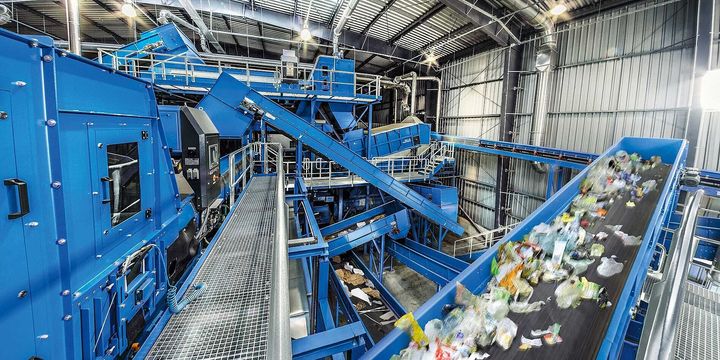
Recycling machines are specialized systems designed to process used materials and convert them into reusable resources. These machines help sort, clean, shred, compact, separate, and prepare waste materials for further manufacturing or recovery processes.
As urban populations grow and consumption increases, larger amounts of waste are generated every day. Traditional disposal methods such as landfills can create environmental challenges, including resource depletion and pollution. Recycling machines were developed to improve material recovery and support more efficient waste management practices.
Different types of recycling machines are used for various materials, including plastics, paper, metals, glass, electronic waste, and organic waste. Some systems operate on a small scale, while others are integrated into large industrial recycling facilities.
The growing emphasis on environmental sustainability and resource conservation has increased interest in recycling technology across communities, industries, and governments worldwide.
Common Types of Recycling Machines
| Machine Type | Main Function |
|---|---|
| Shredders | Reduce waste into smaller pieces |
| Balers | Compress recyclable materials into compact blocks |
| Sorting Systems | Separate materials based on type |
| Granulators | Process plastics into reusable granules |
| Crushers | Break down glass and other rigid materials |
| Magnetic Separators | Recover metal components |
| Optical Sorters | Identify materials using sensors |
| Composting Equipment | Process organic waste |
Why Recycling Machines Matter Today
Recycling machines play an important role in modern waste management systems. As natural resources become increasingly valuable, efficient recovery of reusable materials helps reduce pressure on extraction and manufacturing activities.
These technologies affect many groups, including:
- Municipal waste management organizations
- Manufacturing industries
- Environmental agencies
- Educational institutions
- Research organizations
- Community recycling programs
One of the major problems recycling machines help address is the growing volume of waste entering landfills. By recovering useful materials, these systems support resource efficiency and reduce unnecessary disposal.
Additional benefits include:
- Improved material recovery rates
- Reduced environmental pollution
- Better waste sorting accuracy
- Increased recycling efficiency
- Support for circular economy initiatives
- Reduced dependence on raw material extraction
The relationship between recycling and sustainability can be illustrated as follows:
| Stage | Outcome |
| Waste Collection | Materials gathered |
| Sorting Process | Recyclables identified |
| Recycling Machine Processing | Materials prepared |
| Material Recovery | Resources extracted |
| Manufacturing Reuse | New products created |
| Reduced Waste Disposal | Lower landfill burden |
The Role of Recycling Machines in Circular Economy Strategies
The concept of a circular economy focuses on keeping materials in use for as long as possible. Recycling machines contribute by helping recover valuable resources from discarded products.
Instead of following a traditional “take, use, and dispose” model, circular systems encourage:
- Material recovery
- Product lifecycle extension
- Resource efficiency
- Waste reduction
- Sustainable production practices
Advanced recycling technologies allow industries to recover plastics, metals, fibers, and electronic components that might otherwise become waste.
Recent Updates and Industry Trends
The recycling technology sector has experienced notable developments during the past year.
In 2025 and early 2026, several trends gained attention across the environmental technology sector:
- Greater adoption of artificial intelligence in waste sorting systems
- Expansion of automated material recovery facilities
- Increased use of robotics for recycling operations
- Improved sensor-based sorting technologies
- Enhanced tracking of recyclable materials through digital systems
- Growing interest in chemical recycling methods for complex plastics
Many recycling facilities are also investing in machine-learning technologies that improve sorting accuracy and reduce contamination levels.
Another notable trend involves advanced optical sorting systems. These technologies can identify materials based on color, composition, and surface characteristics, helping facilities recover a wider range of recyclable resources.
Electronic waste recycling has also received increased attention due to the growing volume of discarded consumer electronics. Specialized recycling machines are being developed to recover valuable metals and components more efficiently.
Emerging Technology Areas
| Technology | Purpose |
| Artificial Intelligence | Automated waste identification |
| Robotics | Material handling and sorting |
| Optical Sensors | Improved material detection |
| Digital Tracking Systems | Resource monitoring |
| Chemical Recycling Methods | Processing difficult plastics |
| Smart Collection Systems | Waste stream optimization |
Laws, Regulations, and Government Policies
Recycling activities are often influenced by environmental laws, waste management regulations, and sustainability programs.
Many countries have introduced policies aimed at increasing recycling rates and reducing landfill dependency. These regulations may establish requirements for waste separation, recycling targets, and producer responsibility programs.
Common policy approaches include:
- Extended Producer Responsibility (EPR)
- Packaging waste regulations
- Electronic waste management programs
- Resource recovery targets
- Landfill reduction initiatives
- Environmental reporting requirements
Governments frequently encourage improved recycling infrastructure through environmental programs and sustainability frameworks.
Organizations that manage recyclable materials often need to follow regulations related to:
- Material handling
- Waste transportation
- Environmental monitoring
- Reporting standards
- Recycling facility operations
As environmental priorities evolve, recycling technologies continue adapting to meet changing regulatory expectations.
Useful Tools and Resources for Learning About Recycling Machines
A variety of educational resources can help individuals and organizations understand recycling technologies and waste management systems.
Helpful categories include:
- Recycling calculators
- Waste auditing templates
- Sustainability assessment tools
- Environmental impact calculators
- Material recovery guides
- Circular economy frameworks
- Educational waste management portals
- Research databases
Popular resource types include:
| Resource Type | Purpose |
| Waste Assessment Templates | Measure waste generation |
| Environmental Calculators | Estimate impacts |
| Material Recovery Guides | Understand recycling processes |
| Sustainability Frameworks | Support planning efforts |
| Research Publications | Explore industry developments |
| Educational Platforms | Learn recycling concepts |
Tips for Understanding Recycling Technology
When exploring recycling machines and waste management systems, consider the following suggestions:
- Learn the differences between mechanical and advanced recycling methods.
- Understand material contamination challenges.
- Study how sorting technologies improve recycling outcomes.
- Follow developments in environmental technology research.
- Review sustainability reports and waste management studies.
- Explore circular economy principles.
- Understand the lifecycle of recyclable materials.
- Compare different resource recovery approaches.
These practices can provide a broader understanding of how recycling systems support environmental sustainability.
Frequently Asked Questions
What is a recycling machine?
A recycling machine is equipment designed to process waste materials and prepare them for reuse, recovery, or further manufacturing. Examples include shredders, balers, crushers, and sorting systems.
How do recycling machines support sustainability?
They help recover reusable materials, reduce landfill waste, improve resource efficiency, and support circular economy objectives.
Which materials can recycling machines process?
Many systems can process plastics, metals, paper, cardboard, glass, electronic waste, textiles, and organic materials, depending on the machine type.
What is automated recycling technology?
Automated recycling technology uses sensors, robotics, and artificial intelligence to identify, sort, and process materials with minimal manual intervention.
Why is material sorting important in recycling?
Accurate sorting improves recovery rates, reduces contamination, and increases the quality of recycled materials used in manufacturing processes.
What are current trends in recycling equipment?
Recent trends include AI-powered sorting systems, robotics, smart sensors, digital tracking tools, advanced material recovery technologies, and improved processing efficiency.
Conclusion
Recycling machines have become an important component of modern waste management and resource recovery systems. These technologies help process recyclable materials more efficiently, support sustainability goals, and contribute to broader circular economy initiatives.
As environmental challenges continue to evolve, innovations in recycling technology are improving the way materials are collected, sorted, processed, and reused. Advances in artificial intelligence, automation, and material recovery methods are helping create more efficient recycling systems while supporting responsible resource management.
Understanding recycling machines, current trends, regulations, and available educational resources can provide valuable insight into how waste management technologies contribute to a more sustainable future.