Private Island Vacations: A Guide to Luxury Island Travel
Private island vacations combine secluded destinations, premium accommodation, nature, and personalized travel planning. This guide explains how they work, recent trends, key regulations, and practical planning tools.
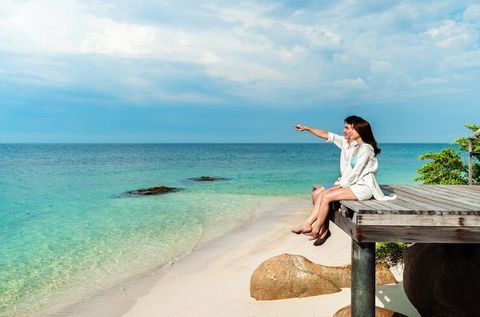
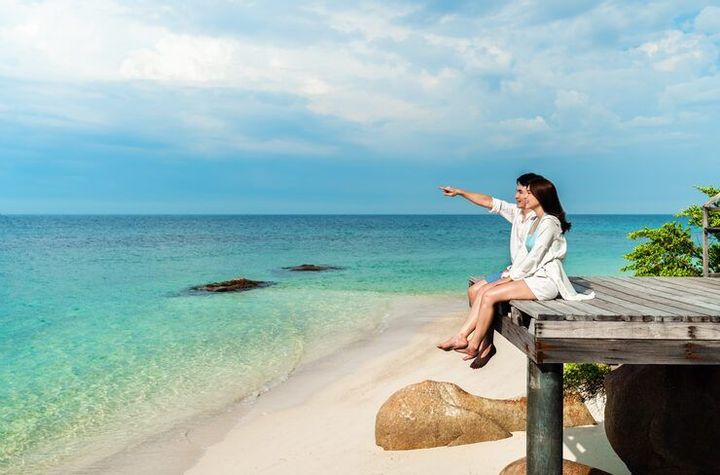
rivate island vacations are trips centered on islands where accommodation and surrounding areas provide a greater degree of privacy and exclusivity than conventional destinations. Depending on the location, travelers may stay at a private island resort, an exclusive island residence, or a property located on an island managed for tourism.
These destinations are found across the Caribbean, Indian Ocean, Pacific, Mediterranean, and other coastal regions. They appeal to travelers interested in luxury travel, peaceful surroundings, beaches, marine activities, and distinctive accommodation.
Private island travel exists because some islands have been developed specifically around controlled tourism and nature-focused experiences. The concept can range from a small resort island with shared facilities to an entire island arranged for one group.
Common features include:
- Secluded accommodation and private outdoor areas
- Beach and water-based activities
- Airport or boat transfer arrangements
- Dining and recreation facilities
- Nature, marine, and cultural experiences
Why Private Island Travel Matters
Private island vacations have become part of the broader luxury travel market because travelers increasingly look for privacy, nature, and less crowded environments. They can also provide a different type of destination experience compared with large urban hotels or heavily visited beach areas.
The concept affects travelers, local communities, tourism businesses, environmental authorities, and island ecosystems. Remote destinations often have limited land, freshwater, energy, transportation, and waste-management capacity.
Thoughtful travel planning therefore matters. Visitors should understand the destination's climate, transportation arrangements, environmental rules, local customs, and available facilities before making an itinerary.
| Planning Area | What to Consider |
|---|---|
| Location | Climate, season, geography |
| Accommodation | Island residence or resort |
| Transport | Flight, ferry, boat or transfer |
| Activities | Beaches, diving, boating, nature |
| Regulations | Entry, conservation and local rules |
Recent Trends in Island Travel
During 2025 and 2026, island tourism continued to see development activity and stronger attention to sustainability. The Maldives Ministry of Tourism published multiple announcements concerning new tourist resorts and tourism development during 2025 and 2026. In March 2026, it also announced amendments relating to several resort development bidding documents.
Sustainability has also become more visible in island tourism policies. In Seychelles, updated Tourism Environmental Sustainability Levy regulations took effect on January 1, 2026. The revised framework changed how the levy applies to different accommodation categories and continues to support environmental sustainability.
These developments show that modern luxury travel increasingly exists alongside environmental planning, regulated tourism development, and destination management.
Laws and Policies Travelers Should Know
There is no single international law covering all private island vacations. Rules depend on the country, island, protected-area status, accommodation type, and activities involved.
For example, the Maldives regulates tourism accommodation under its national tourism framework. The Ministry of Tourism states that resorts, hotels, guesthouses, and safari vessels are recognized accommodation categories under the Tourism Act Law No. 2/99.
Environmental regulations can also affect beach access, marine activities, construction, waste management, wildlife interaction, and protected areas. Travelers should check the current entry requirements and destination-specific rules before departure.
Helpful Planning Tools and Resources
A simple planning toolkit can make private island travel easier to organize. Useful resources include:
- Destination weather and climate calculators
- International flight and airport-planning tools
- Currency conversion calculators
- Digital itinerary templates
- Accommodation comparison platforms
- Official immigration and tourism information portals
- Marine weather and tide information
- Maps showing protected areas and transportation routes
A useful itinerary should record arrival details, transfer times, accommodation information, planned activities, emergency contacts, and important local requirements.
Frequently Asked Questions
What is a private island vacation?
It is a vacation based on an island offering a high level of privacy, often through an exclusive resort, private residence, or island-based accommodation.
Are private islands always completely exclusive?
No. Some islands are dedicated to one property or group, while others contain accommodation that is privately managed but shared among multiple guests.
What is the best season for a private island vacation?
There is no universal best season. Weather patterns differ considerably between destinations, so travelers should examine the island's rainy, dry, cyclone, hurricane, or monsoon periods.
Do private islands have special environmental rules?
They can. Protected marine areas, wildlife regulations, waste-management requirements, and conservation policies may apply depending on the destination.
What should travelers check before planning?
Check passport and entry requirements, seasonal weather, transportation connections, accommodation arrangements, local regulations, environmental restrictions, and activity requirements.
Conclusion
Private island vacations combine luxury accommodation, privacy, nature, and destination-focused travel. Their growing popularity also highlights the importance of responsible tourism and environmental awareness. Careful planning can help travelers understand what to expect while respecting local communities, ecosystems, and regulations.
Disclaimer:
Travel rules, environmental regulations, entry requirements, and tourism policies can change. Travelers should verify current requirements with the relevant government or official destination authority before departure.