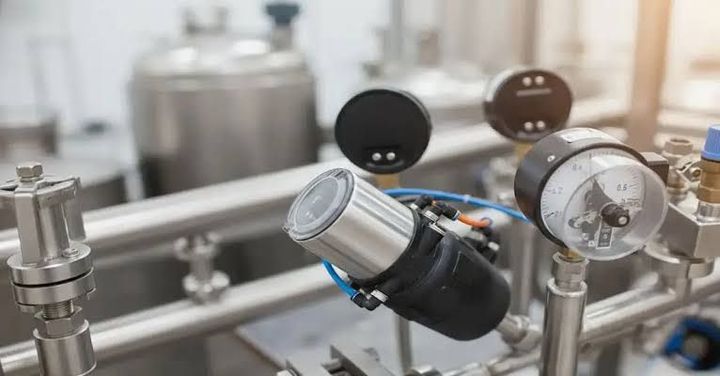
Pressure Sensors: Explore Guide, Types, Applications, Insights and Essential Information
Pressure sensors are devices designed to detect, measure, and monitor pressure in gases, liquids, and various industrial processes. They convert physical pressure into an electrical signal that can be interpreted by monitoring systems, controllers, or data acquisition equipment.
Pressure measurement has been important for centuries because many systems rely on controlled pressure levels to function safely and efficiently. From water distribution networks and industrial manufacturing plants to medical equipment and automotive systems, pressure monitoring helps ensure reliable operation.
Modern pressure sensors play a critical role in automation, safety management, quality control, and predictive maintenance. As industries increasingly adopt digital technologies, pressure sensors have become essential components of connected monitoring systems and Industrial Internet of Things (IIoT) environments.
Today, pressure sensing technology supports a wide range of sectors, including manufacturing, energy, healthcare, transportation, aerospace, agriculture, and environmental monitoring.
Why Pressure Sensors Matter Today
Pressure sensors have become increasingly important because modern systems require accurate real-time data to operate efficiently and safely.
Organizations depend on pressure monitoring to prevent equipment failures, optimize performance, and maintain compliance with operational standards.
Pressure sensors help address several challenges:
- Monitoring critical industrial processes
- Improving workplace safety
- Supporting predictive maintenance programs
- Reducing equipment downtime
- Enhancing manufacturing quality control
- Improving energy efficiency
The impact of pressure sensor technology extends across multiple industries.
| Industry | Common Applications |
|---|---|
| Manufacturing | Process control and automation |
| Energy | Pipeline monitoring |
| Automotive | Tire and engine systems |
| Healthcare | Medical equipment monitoring |
| Aerospace | Cabin and hydraulic systems |
| Agriculture | Irrigation and fluid management |
Without accurate pressure measurement, many critical systems would face increased risks of malfunction, inefficiency, or safety incidents.
How Pressure Sensors Work
Pressure sensors detect force applied by a gas or liquid and convert it into an electrical signal.
The basic process involves:
- Sensing pressure changes
- Converting mechanical force into electrical output
- Transmitting data to monitoring systems
- Supporting analysis and decision-making
Many modern sensors use advanced electronic components to improve precision and reliability.
Pressure is typically measured in units such as:
- Pascal (Pa)
- Kilopascal (kPa)
- Bar
- Pounds per Square Inch (PSI)
- Atmospheres (atm)
The choice of measurement unit often depends on industry requirements and regional standards.
Common Types of Pressure Sensors
Different applications require different pressure sensing technologies.
Absolute Pressure Sensors
Absolute pressure sensors measure pressure relative to a perfect vacuum.
Common applications include:
- Meteorological systems
- Aircraft systems
- Scientific research
- Vacuum monitoring
Gauge Pressure Sensors
Gauge pressure sensors measure pressure relative to atmospheric pressure.
These sensors are widely used in:
- Hydraulic equipment
- Water systems
- Industrial machinery
- Manufacturing facilities
Differential Pressure Sensors
Differential pressure sensors measure the difference between two pressure points.
Applications include:
- Air filtration monitoring
- Flow measurement
- HVAC systems
- Process control operations
Sealed Pressure Sensors
These sensors compare measured pressure against a sealed reference pressure.
Typical uses include:
- Industrial process monitoring
- Environmental monitoring
- Specialized engineering systems
Smart Pressure Sensors
Smart pressure sensors combine sensing technology with digital communication capabilities.
Features may include:
- Remote monitoring
- Wireless communication
- Data analytics integration
- Predictive maintenance support
These sensors are increasingly used in Industry 4.0 environments.
Major Applications of Pressure Sensors
Pressure sensing technology supports numerous industries and operational environments.
Industrial Automation
Manufacturing facilities use pressure sensors to monitor:
- Pneumatic systems
- Hydraulic machinery
- Production equipment
- Automated process controls
Oil and Gas Operations
Pressure monitoring plays an important role in:
- Pipeline management
- Storage facilities
- Processing equipment
- Environmental safety systems
Healthcare Equipment
Medical devices often rely on pressure sensors for:
- Ventilation systems
- Patient monitoring equipment
- Diagnostic instruments
- Laboratory devices
Automotive Systems
Modern vehicles utilize pressure sensors in:
- Tire pressure monitoring systems
- Fuel injection systems
- Engine management systems
- Brake systems
Environmental Monitoring
Pressure sensors contribute to:
- Weather forecasting
- Water management systems
- Climate monitoring projects
- Research applications
Pressure Sensor Technologies Comparison
The following table highlights common pressure sensing technologies.
| Technology | Typical Characteristics |
|---|---|
| Piezoresistive | High sensitivity |
| Capacitive | Excellent accuracy |
| Piezoelectric | Suitable for dynamic measurements |
| Optical | Resistant to electromagnetic interference |
| Resonant | High long-term stability |
Each technology offers unique advantages depending on operating conditions and application requirements.
Recent Developments and Industry Trends
The pressure sensor market experienced several notable developments during 2025 and 2026.
Growth of Smart Industrial Sensors
Throughout 2025, manufacturers continued expanding smart sensor capabilities.
Key improvements included:
- Enhanced wireless communication
- Cloud connectivity
- Edge computing integration
- Real-time diagnostics
These developments support digital transformation initiatives across industrial sectors.
Industrial IoT Expansion
The adoption of Industrial Internet of Things technologies has increased demand for connected pressure monitoring systems.
Organizations increasingly use sensor networks to:
- Monitor equipment health
- Analyze operational performance
- Reduce downtime
- Improve maintenance planning
Artificial Intelligence Integration
In late 2025 and early 2026, many industrial monitoring platforms began incorporating artificial intelligence and machine learning technologies.
These systems assist with:
- Anomaly detection
- Predictive maintenance
- Equipment performance analysis
- Automated alerts
Miniaturization Trends
Sensor manufacturers continue developing smaller and more efficient devices.
Benefits include:
- Easier installation
- Lower power consumption
- Greater application flexibility
- Improved portability
The chart below highlights key trends shaping the pressure sensor industry.
| Industry Trend | Activity Level |
|---|---|
| Smart Sensors | High |
| IoT Connectivity | High |
| Predictive Maintenance | High |
| Wireless Monitoring | Growing |
| AI-Based Analytics | Growing |
| Sensor Miniaturization | Growing |
These developments are helping industries improve operational efficiency and data-driven decision-making.
Regulations and Policy Considerations
Pressure sensors are frequently used in environments governed by safety, quality, and environmental regulations.
Industrial Safety Standards
Many industrial facilities must comply with regulations concerning:
- Equipment safety
- Process monitoring
- Hazard prevention
- Workplace protection
Pressure sensors often play a role in achieving compliance with these standards.
Environmental Regulations
Environmental policies may require monitoring of:
- Emissions systems
- Water treatment processes
- Pipeline operations
- Industrial waste management
Accurate pressure measurement supports environmental compliance efforts.
Quality Management Frameworks
Manufacturing organizations often follow internationally recognized standards such as:
- ISO quality management systems
- Industrial process standards
- Calibration requirements
- Instrumentation verification procedures
Pressure sensors are frequently incorporated into these quality assurance programs.
Cybersecurity Considerations
As connected sensors become more common, cybersecurity frameworks increasingly influence industrial monitoring systems.
Organizations are focusing on:
- Secure communication protocols
- Data protection measures
- Network security practices
- Industrial control system resilience
These factors have become important elements of modern sensor deployment strategies.
Useful Tools and Resources
Professionals and organizations working with pressure measurement systems often use various supporting tools.
Pressure Conversion Calculators
These tools assist with converting measurements between:
- PSI
- Bar
- Pascal
- Kilopascal
- Atmospheres
Industrial Monitoring Platforms
Common capabilities include:
- Real-time data visualization
- Alarm management
- Trend analysis
- Performance reporting
Calibration Software
Calibration tools help maintain measurement accuracy through:
- Instrument verification
- Compliance documentation
- Performance tracking
Industrial IoT Platforms
Many organizations use platforms that support:
- Sensor integration
- Cloud connectivity
- Data analytics
- Predictive maintenance
Technical Standards Resources
Useful references include:
- Instrumentation guidelines
- Industry standards documentation
- Engineering handbooks
- Process control references
Frequently Asked Questions
What is a pressure sensor?
A pressure sensor is a device that measures pressure in gases or liquids and converts that measurement into an electrical signal that can be monitored or analyzed.
Where are pressure sensors commonly used?
Pressure sensors are widely used in manufacturing, healthcare, automotive systems, energy infrastructure, aerospace equipment, environmental monitoring, and industrial automation.
What is the difference between gauge and absolute pressure?
Gauge pressure is measured relative to atmospheric pressure, while absolute pressure is measured relative to a perfect vacuum.
Why are smart pressure sensors becoming popular?
Smart pressure sensors support digital communication, remote monitoring, predictive maintenance, and integration with Industrial Internet of Things systems.
How do pressure sensors contribute to safety?
Pressure sensors help detect abnormal operating conditions, monitor critical equipment, and support automated safety systems that reduce operational risks.
Conclusion
Pressure sensors are among the most important components in modern industrial, commercial, and scientific systems. By providing accurate pressure measurements, these devices support safety, efficiency, automation, and operational reliability across numerous industries.
Advancements in smart sensing technology, Industrial IoT integration, artificial intelligence, and predictive maintenance are transforming how pressure data is collected and analyzed. As industries continue embracing digital transformation, pressure sensors will remain essential tools for process control, equipment monitoring, environmental compliance, and data-driven decision-making.
Whether used in manufacturing plants, healthcare equipment, transportation systems, energy infrastructure, or environmental monitoring projects, pressure sensors continue to play a critical role in supporting modern technology and industrial innovation.