PPC Strategies Explained: Discover Tips, Insights, Basics, and Resources for Better ROI
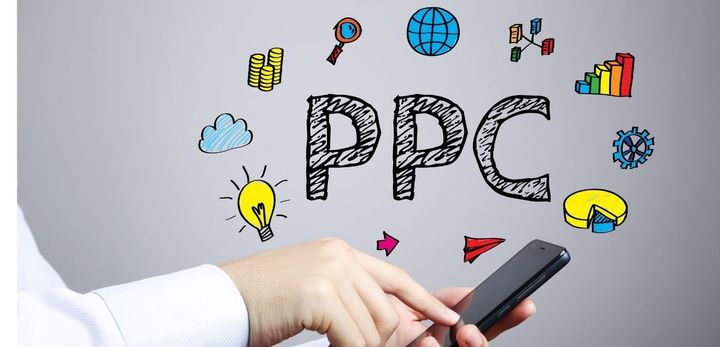
PPC, or pay per click advertising, is a form of digital advertising in which advertisers generally pay when a user clicks an advertisement. PPC strategies help businesses organize keywords, advertisements, bids, audiences, landing pages, and measurement methods to reach relevant users and evaluate campaign ROI.
Understanding PPC and Paid Search Marketing
PPC exists because search engines and digital platforms need a structured way to connect advertisements with user searches and interests. A well-planned PPC campaign can place relevant advertisements in front of people who are actively researching a product, topic, or solution.
PPC strategies can include:
- Keyword planning and search intent analysis
- Ad copy development and testing
- Bid strategy selection
- Landing page optimization
- Conversion tracking
- Audience targeting
- PPC analytics
- Quality Score monitoring
- Campaign ROI analysis
The main objective is not simply to generate clicks. Effective PPC campaign optimization considers whether traffic is relevant and whether visitors complete meaningful actions after reaching a landing page.
Why PPC Matters Today
Digital audiences use search engines, shopping platforms, social networks, and other online channels to research information. This makes paid search marketing an important part of many digital advertising strategies.
PPC can help address several common marketing challenges:
- Reaching users based on search intent
- Testing different messages quickly
- Measuring advertising interactions
- Comparing keyword performance
- Identifying high-value search terms
- Improving landing page relevance
- Tracking conversions across campaigns
PPC is relevant to small organizations, large companies, ecommerce businesses, publishers, professional practices, and PPC advertising agencies managing campaigns for different industries.
A major challenge is that traffic volume alone does not indicate campaign quality. A campaign can receive many clicks while producing relatively few useful conversions. PPC analytics therefore needs to connect impressions and clicks with conversion tracking, revenue-related metrics, lead quality, and campaign objectives.
Types of PPC Advertising
PPC includes several campaign formats, each designed around different user behaviors and advertising environments.
| PPC Type | Main Purpose | Common Measurement |
|---|---|---|
| Search Advertising | Reach users searching specific terms | CTR, conversions, CPA |
| Display Advertising | Build awareness across websites and apps | Impressions, CTR, conversions |
| Shopping Advertising | Present products in search environments | Clicks, conversions, ROAS |
| Remarketing | Re-engage previous visitors | Conversions, frequency |
| Social PPC | Reach defined audience groups | CTR, engagement, conversions |
| Video Advertising | Communicate through video placements | Views, interactions, conversions |
| Performance-Based Campaigns | Use automated systems across placements | Conversions, ROAS, CPA |
Search advertising is particularly associated with keyword planning because advertisements can be connected with search queries and intent signals. Other PPC formats may depend more heavily on audiences, contextual signals, content, or automated targeting.
Benefits and Applications
PPC strategies can provide measurable data that supports ongoing campaign decisions. However, results vary by industry, audience, competition, landing page quality, and campaign configuration.
Key benefits and applications include:
- Targeted reach: Campaigns can focus on selected keywords, locations, audiences, devices, or other signals.
- Measurable performance: PPC analytics can track impressions, clicks, conversions, and other indicators.
- Keyword knowledge: Search-term data can reveal how users describe their needs.
- Testing opportunities: Different headlines, descriptions, landing pages, and bidding approaches can be evaluated.
- Budget control: Advertisers can establish campaign budgets and monitor spending patterns.
- Conversion analysis: Conversion tracking helps connect advertising interactions with defined actions.
- ROI evaluation: Campaign ROI can be examined using relevant revenue or lead-quality information.
- Landing page improvement: Search intent and conversion data can reveal weaknesses in page relevance or user experience.
For example, a company promoting accounting software might compare searches related to “business accounting software,” “accounting platform guide,” and “small business bookkeeping tools.” The purpose is to understand which themes generate relevant interactions rather than assuming every keyword has equal value.
Top 5 Leading PPC Platform Providers
Several major technology companies provide advertising platforms used for PPC and related digital advertising activities.
- Google Ads — Provides search advertising, Performance Max, Shopping, Display, Video, and other campaign formats.
- Microsoft Advertising — Provides search and audience advertising across Microsoft's advertising ecosystem.
- Amazon Ads — Focuses heavily on retail and product discovery advertising.
- Meta for Business — Provides advertising across Meta's social platforms, with audience-based campaign capabilities.
- LinkedIn Marketing Solutions — Supports professional and B2B-focused digital advertising.
These platforms differ in audience, targeting systems, campaign formats, measurement capabilities, and bidding approaches. The appropriate platform depends on the advertiser's objectives and target audience.
Recent PPC Updates and Trends
PPC has increasingly moved toward AI-assisted targeting, creative development, automated bidding, and broader measurement.
Google Ads — August 2026: Google introduced changes to target-based bid strategies beginning August 17, 2026. The changes affect campaigns that are limited by budget and use target-based strategies such as Target CPA and Target ROAS. Google also introduced a Bid Target Adjustment Tool to help advertisers review targets.
Google's AI Max for Search campaigns is another significant development. AI Max functions as an optimization layer within Search campaigns and includes capabilities for search-term matching and asset optimization.
Google also states that starting in September 2026, campaigns using text customization, formerly known as automatically created assets, will automatically be upgraded to AI Max.
Microsoft Advertising — May–August 2026: Microsoft highlighted AI-powered campaign tools, improved search-term insights, bid strategy reporting, cross-account portfolio bidding, Copilot-powered analysis, and AI-generated creative with brand controls during its 2026 advertising updates.
In August 2026, Microsoft also highlighted how AI assistants and agents are changing the shopping journey. This suggests that structured information, landing-page relevance, and measurement are becoming increasingly important alongside traditional PPC optimization.
Overall, current PPC trends point toward greater automation, broader matching, AI-assisted creative, and increased importance of accurate conversion data.
Laws and Advertising Policies in India
PPC campaigns targeting audiences in India should follow applicable advertising laws and platform policies.
The Consumer Protection Act, 2019 and related consumer-protection rules provide an important legal framework concerning misleading advertising. The Central Consumer Protection Authority has issued the Guidelines for Prevention of Misleading Advertisements and Endorsements for Misleading Advertisements, 2022, which address conditions for advertisements to be non-misleading and valid.
The Advertising Standards Council of India (ASCI) also maintains a self-regulatory advertising code. Its code emphasizes that advertisements should be legal, decent, honest, truthful, and fair in competition. The code applies to advertisements directed at consumers in India, including advertisements originating outside India.
For PPC campaigns, practical compliance considerations include:
- Avoid unsupported performance claims.
- Do not create misleading comparisons.
- Ensure advertisements accurately represent the destination page.
- Avoid deceptive headlines or exaggerated statements.
- Make material conditions clear where applicable.
- Use appropriate disclosures for regulated categories.
- Follow the advertising platform's own policies.
Financial, healthcare, cryptocurrency, employment, political, and other sensitive categories can have additional requirements. Advertisers should check the applicable law and platform policy before launching campaigns.
PPC Tools and Resources
A structured PPC workflow can use several types of tools.
- Google Ads: Campaign creation, keyword targeting, bidding, reporting, and conversion measurement.
- Microsoft Advertising: Search advertising, campaign management, reporting, and AI-assisted advertising capabilities.
- Google Analytics: Website behavior and conversion analysis.
- Google Keyword Planner: Keyword research and planning.
- Google Search Console: Organic search query information that can complement PPC keyword research.
- Conversion tracking tools: Help connect advertising interactions with defined actions.
- Landing page analytics: Useful for understanding engagement and conversion behavior.
- Spreadsheet templates: Helpful for keyword grouping, negative keyword lists, campaign structures, and performance reviews.
A basic PPC review can follow this sequence:
Keyword planning → Campaign structure → Ad creation → Landing page optimization → Conversion tracking → Bid strategy → PPC analytics → Continuous testing
The process should remain data-driven rather than relying on assumptions about which keyword or advertisement will perform best.
Frequently Asked Questions
What is PPC?
PPC stands for pay per click advertising. It is a digital advertising model in which an advertiser generally pays when a user clicks an advertisement.
What is PPC campaign optimization?
PPC campaign optimization is the process of reviewing targeting, keywords, advertisements, bids, landing pages, and conversion data to improve campaign performance.
What is Quality Score?
Quality Score is a Google Ads diagnostic metric associated with the relevance and expected experience of certain Search advertising components. It can help identify areas where keyword, advertisement, or landing-page relevance may need attention.
Which PPC bid strategy should be used?
The appropriate bid strategy depends on campaign objectives, conversion data, available budget, and the platform. Automated strategies such as Target CPA or Target ROAS may be appropriate when sufficient reliable conversion data is available, while other approaches can be useful for different campaign goals.
How can PPC improve ROI?
PPC can support better ROI by focusing on relevant search intent, improving conversion tracking, refining keywords, testing advertisements, optimizing landing pages, and using appropriate bidding strategies. No strategy guarantees a particular ROI.
Conclusion
PPC strategies combine keyword planning, paid search marketing, advertising creative, bidding, landing page optimization, and PPC analytics into a measurable digital advertising process. The fundamentals remain important even as AI increasingly influences targeting, creative development, and campaign optimization.
A strong PPC approach begins with clear objectives and reliable conversion tracking. From there, advertisers can evaluate search terms, Quality Score indicators, bid strategy, landing page performance, and campaign ROI.
The most important principle is to treat PPC as an ongoing measurement and learning process. Platform updates, user behavior, competition, and advertising policies continue to change, so regular reviews are necessary for responsible and effective campaign management.
Informational disclaimer: This article is for education purpose only. CPC, CPA, conversion rates, ROAS, and other financial or performance figures vary substantially by market, competition, audience, seasonality, platform, and campaign configuration. Any example figures should therefore be treated as estimates rather than guaranteed results.