Table of Contents

Portable AC and Air Conditioner Types Explained: Cooling Technology, Efficiency, and Comfort Guide

Portable AC and Air Conditioner Types Explained: Cooling Technology, Efficiency, and Comfort Guide

Air conditioning systems play an important role in maintaining indoor comfort in homes, offices, commercial buildings, educational institutions, and hospitality environments. These systems are designed to regulate temperature, humidity, and air circulation to create a more comfortable indoor atmosphere.


Portable air conditioners are a category of cooling equipment designed for mobility and flexibility. Unlike permanently installed systems, portable units can be moved between rooms and connected through temporary ventilation arrangements.

Modern air conditioning technology has evolved significantly, incorporating energy-efficient designs, smart controls, improved air filtration, and enhanced climate management capabilities.

Why Cooling Systems Matter Today

Indoor climate control has become increasingly important due to urbanization, changing weather patterns, and growing expectations for indoor comfort.

Cooling systems can help support:

  • Temperature management
  • Indoor comfort
  • Workplace productivity
  • Air circulation
  • Humidity control
  • Equipment cooling in certain environments
  • Improved indoor living conditions

Different building types and environmental conditions often require different cooling approaches, making it useful to understand the various air conditioning options available.

How Air Conditioning Technology Works

Most air conditioning systems operate using a refrigeration cycle that transfers heat from indoor spaces to the outside environment.

Basic cooling process:

StepFunction
EvaporationAbsorbs indoor heat
CompressionIncreases refrigerant pressure
CondensationReleases heat outdoors
ExpansionLowers refrigerant temperature

This continuous cycle enables cooling systems to maintain desired indoor temperatures.

Major Types of Air Conditioners

Air conditioning systems are available in several configurations designed for different environments and applications.

AC TypeTypical Application
Portable Air ConditionerTemporary room cooling
Window Air ConditionerSingle-room cooling
Split Air ConditionerResidential and office spaces
Multi-Split SystemMultiple indoor zones
Central Air ConditioningLarge buildings and homes
Ductless Mini-SplitFlexible climate control
Packaged Air ConditionerCommercial applications

Each system type offers different installation requirements, cooling capacities, and operational characteristics.

Understanding Portable Air Conditioners

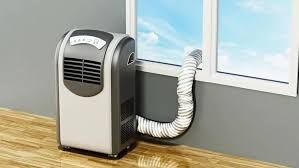
Portable air conditioners are self-contained cooling units designed for mobility and temporary placement.

Common characteristics include:

  • Wheeled designs
  • Flexible exhaust hoses
  • Room-to-room mobility
  • Compact footprint
  • Adjustable temperature settings
  • Digital controls

Portable AC units are often used where permanent installation is impractical or where cooling needs vary between locations.

Single-Hose vs. Dual-Hose Portable AC Systems

Portable air conditioners generally fall into two main categories.

System TypeGeneral Characteristics
Single-HoseUses one exhaust pathway
Dual-HoseUses separate intake and exhaust pathways

Understanding these designs helps explain differences in airflow and cooling performance.

Energy Efficiency and Performance Factors

Energy efficiency has become an important consideration in modern cooling technology.

Factors that influence efficiency include:

  • Room size compatibility
  • Insulation quality
  • Outdoor temperature
  • Airflow management
  • System maintenance
  • Thermostat settings
  • Building design

Efficient operation can help optimize cooling performance while supporting energy conservation objectives.

Smart Air Conditioning Technologies

Recent advancements have introduced smart features into many climate-control systems.

Examples include:

  • Mobile app controls
  • Smart thermostats
  • Voice assistant integration
  • Automated scheduling
  • Energy monitoring
  • Remote operation
  • Occupancy sensing

These technologies aim to improve convenience and climate management.

Air Filtration and Indoor Air Quality

Many modern air conditioning systems include air filtration components designed to support indoor air quality.

Common filtration features may include:

  • Dust filtration
  • Particle capture
  • Air circulation enhancement
  • Washable filters
  • Multi-stage filtration systems

Air filtration systems can contribute to cleaner indoor environments when properly maintained.

Recent Trends in Cooling Technology (2025–2026)

The HVAC and climate-control industry continues to evolve rapidly.

Recent developments include:

  • Smart home integration
  • Energy-efficient cooling systems
  • Improved refrigerant technologies
  • Connected climate-control platforms
  • AI-assisted temperature management
  • Advanced filtration solutions
  • Sustainability-focused designs

Manufacturers and industry organizations continue working toward improved efficiency and environmental performance.

Regulations and Industry Standards

Air conditioning systems are often subject to various regulations and standards.

Common regulatory areas include:

  • Energy efficiency requirements
  • Refrigerant management standards
  • Building codes
  • Environmental regulations
  • Equipment safety certifications
  • Electrical compliance standards

These frameworks help support consumer safety, environmental responsibility, and equipment reliability.

Tools and Resources

Individuals interested in learning more about cooling systems may find the following resources useful:

  • HVAC load calculators
  • Energy efficiency calculators
  • Climate-control planning guides
  • Building energy assessment tools
  • Smart thermostat applications
  • Indoor air quality monitoring tools
  • HVAC maintenance checklists

These resources can help improve understanding of cooling system performance and indoor climate management.

Comparing Common Air Conditioner Types

FeaturePortable ACWindow ACSplit ACCentral AC
MobilityHighLowLowNone
Installation ComplexityLowModerateModerateHigh
Coverage AreaSingle RoomSingle RoomMultiple ConfigurationsWhole Building
Smart Features AvailabilityIncreasingModerateHighHigh

This comparison highlights how different cooling solutions serve different operational needs.

Frequently Asked Questions

What is a portable air conditioner?

A portable air conditioner is a movable cooling unit designed to cool indoor spaces without requiring permanent installation.

How does an air conditioner cool a room?

Air conditioners remove heat from indoor air through a refrigeration cycle and release that heat outdoors.

What is the difference between a portable AC and a split AC?

Portable AC systems are movable and self-contained, while split AC systems use separate indoor and outdoor units connected through refrigerant lines.

Why is energy efficiency important in cooling systems?

Energy-efficient systems can improve performance while supporting reduced energy consumption and environmental sustainability goals.

Do modern air conditioners improve indoor air quality?

Many modern systems include filtration components that help capture dust and airborne particles, contributing to cleaner indoor air.

Conclusion

Portable air conditioners and other cooling systems play an important role in modern indoor climate management. From portable units and window systems to advanced split and central air conditioning solutions, each technology offers unique features suited to different environments and requirements.

Understanding cooling principles, efficiency factors, air quality considerations, and emerging technologies can help individuals develop a stronger understanding of how climate-control systems contribute to indoor comfort. As cooling technology continues to evolve, smart controls, energy efficiency, and environmental sustainability are expected to remain key areas of innovation.

Disclaimer

This article is intended solely for informational and educational purposes. It does not promote, endorse, recommend, or encourage the purchase of any air conditioner, cooling system, manufacturer, or brand. References to air conditioning technologies are provided only to explain industry concepts, cooling methods, and climate-control systems. This content should not be considered technical, engineering, environmental, or professional advice. Readers should consult qualified professionals and relevant regulations when evaluating specific cooling solutions or installation requirements.


author-image

Ravi Shankar Maurya

We create purposeful content that speaks, resonates, and drives action.

June 04, 2026 . 8 min read