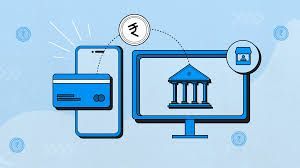
Payment gateways exist to simplify digital transactions by connecting customers, merchants, and financial institutions. They support multiple payment methods, including credit cards, debit cards, net banking, and digital wallets.
High CPC keywords related to this topic include payment gateway solutions, online payment processing, digital payment systems, secure transaction technology, fintech payment platforms, and e-commerce payment integration. These keywords reflect the competitive and high-value nature of digital payment technologies.
As online transactions increase, payment gateways have become a core component of digital commerce and financial ecosystems.
Why Payment Gateways Matter Today
Payment gateways play a crucial role in modern financial systems by enabling seamless and secure transactions. Their importance has grown with the rise of e-commerce and digital services.
Key reasons for their importance include:
-
Secure transactions: Protect sensitive financial data through encryption
-
Convenience: Enable quick and easy digital payments
-
Global accessibility: Support transactions across regions and currencies
-
Automation: Reduce manual processing in financial operations
Problems that payment gateways help address:
-
Risks associated with handling physical cash
-
Delays in transaction processing
-
Limited payment options for users
-
Security concerns in online transactions
Payment gateways are relevant for businesses, consumers, financial institutions, and digital platforms that rely on efficient payment processing.
Core Components of Payment Gateway Systems
| Component | Function | Importance |
|---|
| Payment Interface | Collects user payment details | User interaction |
| Encryption System | Secures sensitive data | Data protection |
| Payment Processor | Communicates with banks | Transaction handling |
| Authorization System | Verifies transaction validity | Fraud prevention |
| Settlement System | Transfers funds to the recipient | Completion of transaction |
This table outlines the key components involved in digital payment processing.
Recent Trends and Updates in Digital Payments (2025–2026)
The digital payment ecosystem has evolved rapidly in the past year, driven by technological innovation and changing user behavior.
Growth of real-time payment systems (2025):
Instant payment methods have become more widespread, enabling faster transaction processing.
Expansion of UPI-based transactions (2025–2026):
Unified Payments Interface (UPI) continues to grow, supporting seamless peer-to-peer and merchant transactions.
AI-driven fraud detection (2026):
Artificial intelligence is being used to identify unusual transaction patterns and enhance security.
Contactless and mobile payments (late 2025):
Increased use of smartphones and NFC technology has improved convenience in payments.
Cross-border payment innovations (2026):
New systems are simplifying international transactions and reducing processing complexity.
Digital Payment Adoption Trend
Adoption Growth (Illustrative)
Cash Payments | ******
Card Payments | *********
Digital Wallets | **************
UPI & Instant Pay | *****************
This graph shows the increasing adoption of digital payment methods over time.
Regulations and Policies Affecting Payment Gateways
Payment gateways operate within strict regulatory frameworks to ensure security, transparency, and financial stability.
In India, key regulatory bodies and policies include:
-
Reserve Bank of India
Regulates payment systems and digital transactions
-
Payment and Settlement Systems Act:
Governs the operation of payment systems in the country
-
Data protection regulations:
Ensure secure handling and storage of user financial data
-
KYC (Know Your Customer) requirements:
Verify user identity to prevent fraud and misuse
-
Compliance standards:
Payment platforms such as Paytm and Razorpay follow regulatory and security guidelines
These regulations ensure that digital payments remain safe, reliable, and transparent.
Key Features of Modern Payment Gateways
Payment gateways include features that enhance functionality and user experience.
Core features include:
-
Secure encryption protocols
-
Multi-payment support
-
Fast transaction processing
-
User-friendly interfaces
Advanced features include:
-
AI-based fraud detection
-
Real-time transaction tracking
-
Integration with e-commerce platforms
-
Multi-currency support
These features help improve efficiency and trust in digital payment systems.
Tools and Resources for Payment Gateway Integration and Learning
Various tools and platforms help individuals and organizations understand and work with payment gateway systems.
Developer platforms:
-
Stripe for integration and testing
-
PayPal for global transactions
Analytics tools:
-
Platforms that track transaction performance and user behavior
Security tools:
-
Systems for monitoring fraud and ensuring compliance
Educational resources:
-
Online courses explaining fintech and payment systems
Documentation and APIs:
-
Technical guides for integrating payment gateways into applications
These resources support learning, implementation, and optimization of digital payment systems.
Frequently Asked Questions
What is a payment gateway?
A payment gateway is a system that processes digital transactions securely between users and businesses.
How do payment gateways ensure security?
They use encryption, authentication, and fraud detection technologies to protect financial data.
What is UPI and how does it work?
UPI is a real-time payment system that allows instant money transfers between bank accounts using mobile devices.
Why are digital payments growing rapidly?
They offer convenience, speed, and enhanced security compared to traditional payment methods.
What role does regulation play in payment systems?
Regulations ensure safe, transparent, and reliable financial transactions.
Conclusion
Payment gateways are a fundamental part of the digital economy, enabling secure and efficient financial transactions. As technology advances, these systems continue to evolve with improved security, faster processing, and greater accessibility.
Recent trends such as real-time payments, AI-driven fraud detection, and mobile payment adoption highlight the dynamic nature of the industry. At the same time, regulatory frameworks ensure that digital payments remain trustworthy and compliant.
Understanding the components, features, and tools associated with payment gateways helps individuals and organizations navigate the growing landscape of digital payments effectively.
Disclaimer
This content is intended for informational and educational purposes only. It does not promote, endorse, or represent any specific platform, product, or organization. The information provided is general in nature and should not be interpreted as financial or technical advice.