Packaging Machinery Guide: Automated Systems, Production Process & Industrial Applications
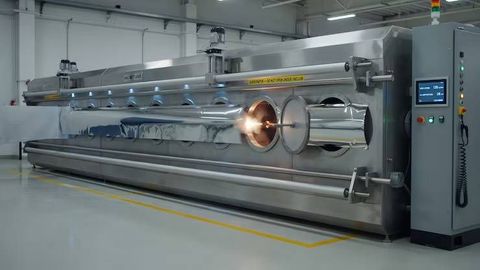
Packaging machinery refers to industrial equipment used to fill, seal, wrap, label, sort, and prepare products for storage and transportation. These machines are widely used in industries such as food processing, pharmaceuticals, consumer goods, electronics, chemicals, and logistics. Packaging systems help manufacturers manage product handling efficiently while maintaining consistent packaging standards across large production volumes.
Modern packaging machinery developed alongside industrial manufacturing growth and changing supply chain requirements. Early packaging operations relied heavily on manual labor, but automation gradually introduced conveyor systems, filling equipment, robotic handling units, and computerized controls. Today, many factories use automated systems connected to digital monitoring platforms and production management software.
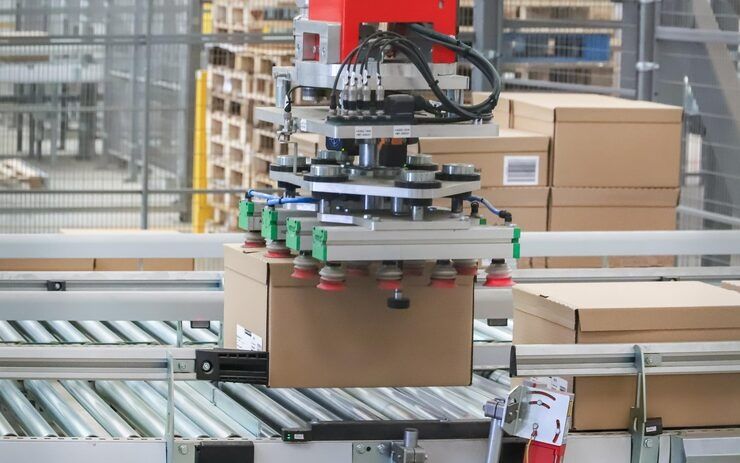
Common packaging machinery categories include filling machines, labeling systems, palletizers, sealing equipment, wrapping machines, and automated conveyor lines. These systems are often integrated into larger industrial production environments where packaging is part of a continuous manufacturing process.
Importance
Packaging machinery plays an important role in industrial production and product distribution. Proper packaging systems help protect products, organize supply chains, and support efficient handling during transportation and storage.
Production Efficiency
Automated packaging systems help manufacturers process products at stable speeds while reducing interruptions in production lines. Machines can handle repetitive packaging tasks with consistent accuracy.
Packaging equipment commonly performs functions such as:
- Filling containers with liquids or powders
- Sealing packages and cartons
- Printing labels and tracking codes
- Sorting products for shipment
These systems are widely used in industries requiring continuous production operations.
Product Protection and Handling
Packaging machinery helps reduce product damage during storage and transportation. Proper sealing and packaging also support hygiene and contamination control in industries such as food processing and pharmaceuticals.
Industries using packaging machinery include:
| Industry | Packaging Function | Common Equipment |
|---|---|---|
| Food Processing | Sealing and filling | Vacuum packaging systems |
| Pharmaceuticals | Blister packaging | Labeling and sealing machines |
| Consumer Goods | Carton packaging | Wrapping systems |
| Electronics | Protective packaging | Cushioning and sorting equipment |
| Chemicals | Drum and container filling | Industrial filling machines |
Supply Chain Management
Automated systems help organize inventory movement and shipping preparation within warehouses and manufacturing facilities. Packaging lines are often connected to barcode scanners, sorting systems, and logistics software for tracking and distribution management.
Workplace and Operational Support
Packaging machinery also reduces manual handling in industrial environments. Automated lifting, sealing, and palletizing systems can assist with repetitive production activities and material movement inside factories.
Automated Systems
Modern packaging operations increasingly use automated systems designed to improve coordination between production, inspection, and distribution stages.
Conveyor and Sorting Systems
Conveyor systems transport products between packaging stations and production lines. Sorting equipment organizes items according to size, weight, or shipping requirements.
These systems are commonly used in:
- Warehousing facilities
- Beverage production plants
- Food packaging centers
- E-commerce distribution operations
Robotic Packaging Equipment
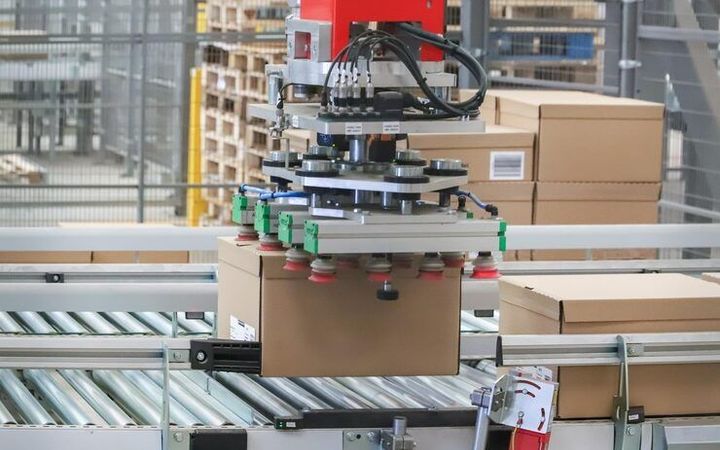
Industrial robots are used for packaging tasks involving repetitive movement and product handling. Robotic systems may assist with carton loading, pallet stacking, and automated packaging inspection.
Common robotic packaging applications include:
- Pick-and-place operations
- Palletizing systems
- Case packing
- Product sorting
Smart Monitoring Technology
Many packaging machines now include digital monitoring systems that track machine performance and packaging output in real time.
Monitoring features may include:
- Production speed tracking
- Equipment maintenance alerts
- Error detection systems
- Packaging quality monitoring
These technologies support industrial automation and operational management.
Production Process
Packaging machinery production involves engineering design, component manufacturing, assembly, and system testing.
Design and Engineering
Manufacturers begin by designing packaging systems based on production requirements and product characteristics. Engineers evaluate machine size, packaging speed, material compatibility, and automation levels.
Design planning often includes:
- Conveyor layouts
- Sensor integration
- Safety systems
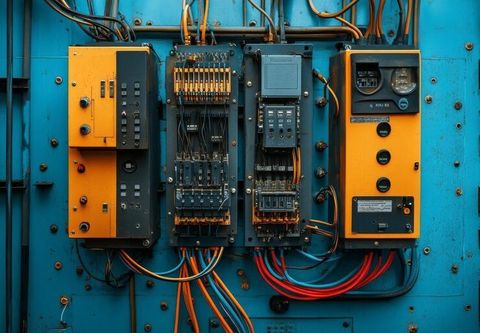
- Electrical controls
Component Manufacturing
Packaging machinery contains mechanical, electrical, and pneumatic components produced through industrial manufacturing processes.
Common machine components include:
- Motors and drives
- Pneumatic cylinders
- Rollers and belts
- Sensors and control panels
- Filling and sealing units
Precision manufacturing is important for maintaining machine accuracy and operational consistency.
Assembly and Integration
During assembly, individual machine components are connected into complete packaging systems. Automated systems may also be integrated with software controls and production monitoring platforms.
Assembly stages often involve:
- Mechanical installation
- Electrical wiring
- Software programming
- Sensor calibration
Testing and Inspection
Packaging machinery undergoes testing before installation into industrial production facilities.
Testing procedures may include:
- Speed performance checks
- Seal quality inspection
- Conveyor alignment testing
- Safety verification
- Packaging accuracy analysis
These inspections help confirm operational reliability.
Industrial Applications
Packaging machinery is used across multiple industrial sectors where products require organized handling, labeling, and transport preparation.
Food and Beverage Industry
Food processing facilities use packaging systems for bottling, vacuum sealing, labeling, and carton filling operations. Packaging equipment helps maintain product handling consistency and sanitation standards.
Applications include:
- Snack food packaging
- Beverage bottling
- Frozen food sealing
- Dairy product filling
Pharmaceutical Manufacturing
Pharmaceutical packaging machinery is used for tablet packaging, blister sealing, bottle labeling, and product tracking systems.
These systems support:
- Batch identification
- Packaging inspection
- Tamper-evident sealing
- Controlled packaging environments
Consumer Goods Production
Consumer product manufacturers use packaging systems for cosmetics, household items, cleaning products, and retail packaging operations.
Common equipment includes:
- Shrink wrapping machines
- Carton forming systems
- Barcode printing units
- Automated labeling machines
Logistics and Warehousing
Warehouses and distribution centers use automated packaging systems for sorting, palletizing, and shipment preparation.
Applications include:
- Parcel sorting systems
- Stretch wrapping equipment
- Shipping label printing
- Automated pallet handling
Recent Updates
Between 2024 and 2026, packaging machinery systems continued evolving through automation, sustainability efforts, and digital integration.
Growth of Smart Packaging Systems
Manufacturers increasingly use connected packaging machines capable of sharing operational data with centralized production systems.
Recent developments include:
- Remote machine monitoring
- Automated fault detection
- Cloud-based production tracking
- Predictive maintenance systems
Sustainable Packaging Integration
Industrial facilities are adapting packaging systems for recyclable and lightweight packaging materials. Packaging machinery is being adjusted to handle alternative materials and reduced material usage.
Robotics Expansion
Robotic packaging systems are becoming more common in medium-sized production facilities. Industries are expanding the use of automated palletizers, sorting robots, and packaging inspection systems.
Flexible Packaging Equipment
Packaging machinery manufacturers are developing systems capable of handling multiple package sizes and product formats within the same production line.
Laws or Policies
Packaging machinery operations are influenced by workplace safety standards, industrial regulations, and environmental policies.
Workplace Safety Regulations
Factories using packaging equipment generally follow safety requirements related to:
- Emergency stop systems
- Machine guarding
- Electrical protection
- Operator safety procedures
Industrial inspections may evaluate compliance with workplace safety standards.
Environmental Policies
Environmental regulations increasingly influence packaging operations and material handling systems.
Policies may focus on:
- Packaging waste reduction
- Recycling processes
- Energy-efficient machinery
- Material recovery systems
Food and Pharmaceutical Standards
Packaging systems used in food processing and pharmaceutical manufacturing may require compliance with hygiene and contamination-control regulations.
Requirements often include:
- Sanitary equipment design
- Controlled production environments
- Traceability systems
- Packaging inspection procedures
Tools and Resources
Several digital tools and industrial platforms support packaging machinery operation and production management.
Production Monitoring Software
Factories use monitoring platforms to track packaging speed, machine status, and production output.
These systems may include:
- Equipment dashboards
- Maintenance scheduling tools
- Production reporting systems
- Performance analytics
CAD and Automation Software
Engineering software helps manufacturers design packaging systems and automate machine controls.
Applications include:
- Machine layout planning
- Conveyor simulations
- Robotic programming
- Sensor integration
Packaging Testing Equipment
Testing tools help manufacturers evaluate packaging quality and machine performance.
Common testing systems include:
- Seal integrity analyzers
- Weight inspection systems
- Barcode verification tools
- Leak detection equipment
FAQs
What is packaging machinery used for?
Packaging machinery is used to fill, seal, label, wrap, sort, and prepare products for storage, transportation, and distribution in industrial production environments.
How do automated systems improve packaging operations?
Automated systems help improve packaging speed, reduce repetitive manual handling, and support consistent packaging quality within production facilities.
Which industries use packaging machinery the most?
Industries commonly using packaging machinery include food processing, pharmaceuticals, consumer goods manufacturing, electronics, chemicals, and logistics operations.
What are common types of packaging machinery?
Common packaging machinery types include filling machines, labeling systems, conveyor equipment, palletizers, wrapping machines, and sealing systems.
How is packaging machinery tested before industrial use?
Packaging machinery is tested through speed analysis, seal inspection, conveyor alignment checks, safety testing, and operational performance verification.
Conclusion
Packaging machinery is an important part of modern industrial production and supply chain management. Automated systems support product handling, labeling, sealing, and transportation preparation across multiple industries. The production process for packaging equipment combines engineering design, component manufacturing, assembly, and quality inspection procedures. Recent developments in robotics, smart monitoring, and sustainable packaging materials continue influencing packaging operations worldwide. Industrial regulations and workplace safety standards also shape how packaging machinery is designed and operated.