Table of Contents

Packaging Machine Types Guide: Basics, Functions, and Key Insights Explained

Packaging Machine Types Guide: Basics, Functions, and Key Insights Explained

Packaging machines are industrial systems designed to pack, seal, label, and prepare products for storage, transport, and distribution. These machines exist to make packaging processes faster, more consistent, and more reliable compared to manual handling.


Modern packaging systems are widely used across sectors such as food processing, pharmaceuticals, electronics, cosmetics, and consumer goods. The core idea behind packaging machinery is to ensure product protection, hygiene, and standardized presentation throughout the supply chain.

These systems range from simple semi-automated tools to fully integrated industrial packaging automation lines that combine multiple steps such as filling, sealing, wrapping, labeling, and palletizing in one continuous workflow.

Importance

Packaging machinery plays a critical role in today’s global supply chain. As production volumes increase and quality expectations rise, industries rely on automated systems to maintain efficiency and consistency.

Key reasons this topic matters:

  • Supports large-scale production and reduces manual dependency
  • Improves product safety and contamination control
  • Enhances supply chain packaging efficiency
  • Ensures uniform packaging standards across markets
  • Reduces errors in labeling, filling, and sealing processes

Industries affected include:

  • Food and beverage manufacturing
  • Pharmaceutical production and healthcare supply chains
  • Consumer electronics and fragile goods handling
  • Industrial manufacturing and logistics networks

Packaging systems also support sustainability goals by optimizing material usage and reducing waste through precise measurement technologies.

Types of Packaging Machines and Their Functions

Packaging machinery can be categorized based on function and process stage. Each type plays a specific role in the production line.

Machine TypePrimary FunctionCommon Use Case
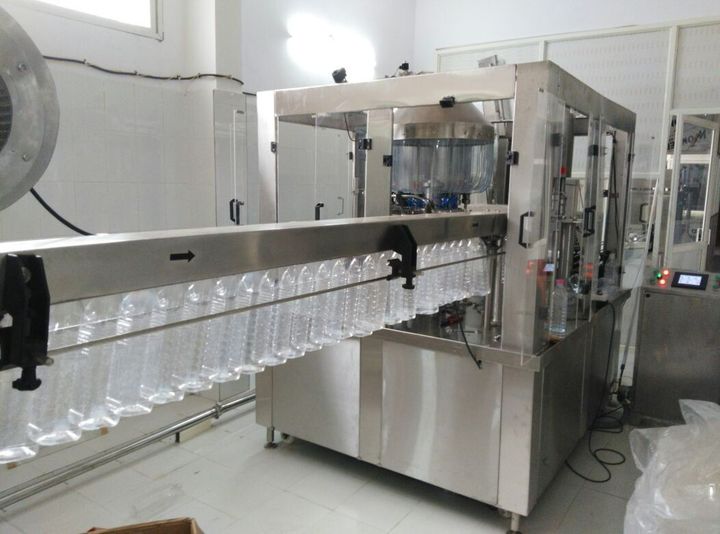
Filling MachinesDispense liquids, powders, or granules into containersBeverages, chemicals, pharmaceuticals
Sealing MachinesClose and secure packaging unitsPouches, bottles, cartons
Wrapping MachinesWrap products with protective film or materialFood items, electronics
Labeling MachinesApply product labels accuratelyBottles, boxes, containers
Cartoning MachinesPlace products into cartons or boxesConsumer goods packaging
Palletizing SystemsStack packaged goods for transportWarehousing and logistics
Shrink Wrapping MachinesUse heat to tighten plastic filmMultipack retail items

Each system can operate independently or as part of integrated packaging machinery systems that connect multiple stages into one continuous line.

Context of Industrial Packaging Systems

Industrial packaging systems are designed to handle high-volume production environments. These systems use sensors, programmable logic controllers, and robotics to ensure accuracy and speed.

In advanced setups, industrial robotics packaging is used for tasks such as picking, placing, and sorting products with minimal human intervention. This is particularly important in high-speed manufacturing environments where consistency is critical.

Importance in Supply Chain and Manufacturing

Packaging systems are not only about enclosing products but also about ensuring smooth movement through global supply chains. Efficient packaging directly affects storage, transportation, and retail readiness.

Key benefits include:

  • Reduced damage during transit
  • Better warehouse organization
  • Improved tracking through smart labeling systems
  • Faster distribution cycles
  • Enhanced product lifecycle management

These systems are also essential for maintaining regulatory compliance in industries such as healthcare and food processing, where packaging integrity directly impacts safety standards.

Recent Updates and Industry Trends

Over the past year, packaging technology has continued evolving toward automation and digital integration.

Key developments observed between 2025 and early 2026 include:

  • Increased adoption of smart packaging technology using QR and RFID tracking systems
  • Growth in AI-based quality inspection systems for detecting packaging defects
  • Expansion of energy-efficient machinery designs to reduce operational power usage
  • Wider use of modular packaging lines that can be reconfigured for different products
  • Integration of predictive maintenance systems using sensor-based monitoring

A notable trend is the shift toward data-driven packaging lines, where real-time analytics help improve throughput and reduce downtime in manufacturing environments.

Laws, Standards, and Regulatory Frameworks

Packaging machinery and processes are influenced by multiple international standards and regulatory frameworks. These rules ensure safety, environmental protection, and product integrity.

Common regulatory areas include:

  • Food safety packaging standards (hygiene and contamination control requirements)
  • Pharmaceutical packaging compliance guidelines ensuring traceability and tamper resistance
  • Environmental regulations focused on recyclable and reduced-waste packaging materials
  • Machinery safety standards for operator protection and equipment reliability
  • Labeling accuracy regulations requiring clear product identification and information transparency

Different regions apply their own frameworks, but most align with global standards such as ISO packaging and safety guidelines, Good Manufacturing Practices (GMP), and environmental sustainability directives.

Tools and Resources

Several tools and digital resources support the design, monitoring, and optimization of packaging systems:

  • PLC Programming Software – Used to control automated packaging lines
  • SCADA Systems – Helps monitor industrial packaging performance in real time
  • CAD Design Tools – Used for designing packaging machinery layouts
  • Supply Chain Management Platforms – Track packaging flow and logistics
  • Packaging Simulation Software – Tests efficiency before production implementation
  • Material Optimization Calculators – Estimate packaging material usage and efficiency
  • Industry Knowledge Platforms – Provide updates on packaging machinery systems and innovations

These tools are widely used in manufacturing planning, automation design, and operational optimization.

Common Questions

What are packaging machines used for?
They are used to automate the process of filling, sealing, labeling, and preparing products for storage and distribution in manufacturing environments.

What industries rely on packaging machinery systems?
Industries such as food processing, pharmaceuticals, electronics, logistics, and consumer goods manufacturing depend heavily on these systems.

What is the difference between manual and automated packaging systems?
Manual systems rely on human labor, while automated systems use machines and robotics to perform packaging tasks with higher speed and consistency.

What is smart packaging technology?
It refers to packaging systems that use digital tools such as QR codes, sensors, and tracking chips to provide real-time product information and traceability.

Why is packaging automation important in manufacturing?
It improves production efficiency, reduces operational errors, and supports consistent product quality across large-scale supply chains.

Conclusion

Packaging machines form a core part of modern manufacturing and logistics systems. From basic sealing units to advanced industrial robotics packaging lines, these systems support efficiency, safety, and scalability across industries.

With ongoing advancements in smart packaging technology, automation, and regulatory compliance frameworks, packaging systems continue to evolve toward more intelligent and sustainable operations. As industries grow more data-driven, packaging machinery systems will remain central to improving supply chain performance and product integrity across global markets.


author-image

Harshit Sharma

We are a performance-driven media buying team focused on scaling brands through smart, data-backed advertising strategies

June 04, 2026 . 8 min read