Oil Refinery Equipment Guide: Processing Systems & Petrochemical Industry Applications
Oil refinery equipment includes the industrial machinery and processing systems used to convert crude oil into usable petroleum products such as gasoline, diesel, jet fuel, lubricants, and petrochemical materials. These systems are used in refineries where crude oil undergoes heating, separation, treatment, and chemical conversion processes to produce fuels and industrial raw materials.
The development of oil refining began during the 19th century when growing transportation and industrial sectors increased demand for fuel products. Early refineries relied on simple distillation methods, while modern facilities use advanced processing systems, automated controls, and monitoring technologies. Today, refinery operations involve large-scale industrial infrastructure designed to manage high temperatures, pressure conditions, and chemical processing activities.
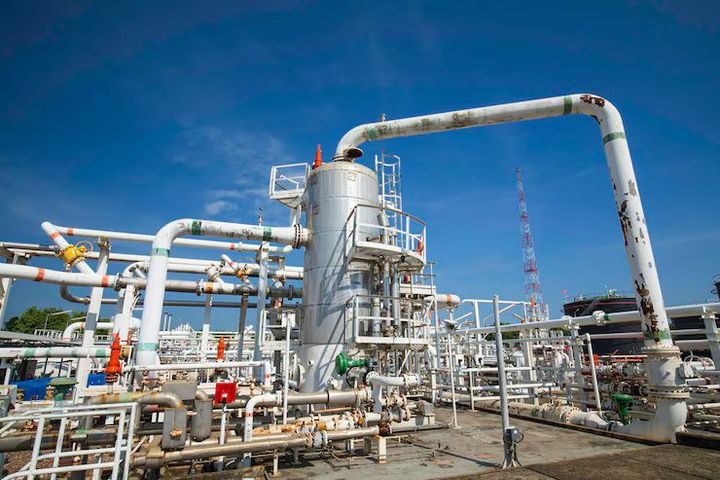
Oil refinery equipment commonly includes:
- Distillation columns
- Heat exchangers
- Storage tanks
- Industrial pumps
- Compressors
- Reactors
- Piping systems
- Control systems
These systems operate together to process crude oil into multiple refined products used across transportation, manufacturing, energy generation, and chemical industries.
Petrochemical industry applications are closely connected to refinery operations. Many refinery outputs act as feedstocks for plastics, synthetic materials, fertilizers, industrial chemicals, and packaging products. As a result, refinery infrastructure supports both fuel production and broader industrial manufacturing networks.
Importance
Oil refinery equipment is important because it supports fuel processing, industrial manufacturing, transportation infrastructure, and energy distribution systems. Refineries convert raw crude oil into products required for everyday industrial and commercial activities.
Fuel Production and Energy Supply
Refinery processing systems help produce fuels used in vehicles, aircraft, shipping operations, and industrial machinery. Different refinery units separate and treat crude oil components to create fuel products with specific performance characteristics.
Common refinery outputs include:
| Refined Product | Main Application | Processing Function |
|---|---|---|
| Gasoline | Road transportation | Fuel production |
| Diesel | Industrial engines and trucks | Energy generation |
| Jet Fuel | Aviation systems | Aircraft operations |
| Liquefied Petroleum Gas | Heating and industrial use | Gas separation |
| Lubricants | Machinery operation | Friction reduction |
These products are distributed through pipelines, storage facilities, and transportation networks.
Support for Industrial Manufacturing
Refinery systems also support petrochemical manufacturing. Petrochemical feedstocks derived from refining processes are used in the production of plastics, synthetic fibers, detergents, industrial solvents, and packaging materials.
Industries connected to petrochemical processing include:
- Construction materials
- Automotive manufacturing
- Textile production
- Electronics manufacturing
- Consumer goods production
The petrochemical sector depends on refinery processing systems for raw material supply.
Infrastructure and Transportation
Oil refinery equipment plays a role in maintaining transportation infrastructure and industrial logistics systems. Fuel products processed in refineries support road transport, rail systems, aviation, and marine shipping operations.
Refineries also support:
- Power generation systems
- Agricultural machinery operation
- Industrial heating systems
- Backup energy infrastructure
These activities are closely linked to industrial productivity and supply chain operations.
Process Safety and Operational Stability
Modern refinery equipment is designed to manage high-pressure environments and chemical processing activities safely. Monitoring systems and automated controls help maintain operational stability during refining operations.
Safety-focused systems often include:
- Pressure relief systems
- Temperature monitoring devices
- Leak detection systems
- Emergency shutdown controls
These features help reduce operational risks in refinery environments.
Processing Systems
Oil refineries use multiple processing systems to separate, convert, and treat crude oil components. Each processing stage handles specific chemical and physical changes.
Crude Oil Distillation Systems
Distillation is one of the primary refinery processes. Crude oil is heated inside furnaces and transferred into distillation columns where different hydrocarbon components separate based on boiling points.
Products separated during distillation may include:
- Gases
- Naphtha
- Kerosene
- Diesel fractions
- Heavy oils
Distillation systems form the foundation of refinery processing operations.
Cracking Units
Cracking systems break large hydrocarbon molecules into smaller and more useful fuel products. These systems help increase gasoline and diesel production from heavier crude oil fractions.
Main cracking methods include:
- Fluid catalytic cracking
- Hydrocracking
- Thermal cracking
These processes improve refinery output flexibility and fuel production efficiency.
Hydrotreating Systems
Hydrotreating units remove sulfur, nitrogen, and other impurities from petroleum products using hydrogen-based treatment processes. This helps improve fuel quality and reduce emissions during fuel usage.
Hydrotreating systems are commonly used for:
- Diesel treatment
- Gasoline refining
- Lubricant processing
- Petrochemical feedstock preparation
Heat Exchangers and Cooling Systems
Heat exchangers transfer heat between refinery process streams to improve thermal efficiency and temperature control. Cooling systems help regulate equipment temperatures during continuous refinery operations.
These systems support:
- Energy management
- Process temperature stability
- Equipment protection
- Operational efficiency
Storage and Transfer Equipment
Oil refinery operations depend on storage tanks, industrial pumps, compressors, and piping systems for material movement and product handling.
Typical refinery transfer systems include:
- Crude oil storage tanks
- Product loading systems
- Pipeline distribution equipment
- Pumping stations
These systems help move raw materials and refined products throughout refinery facilities.
Petrochemical Industry Applications
Refinery outputs are widely used in petrochemical manufacturing and industrial processing applications.
Plastic and Polymer Production
Petrochemical feedstocks such as ethylene and propylene are used to manufacture plastic materials and synthetic products.
Applications include:
- Packaging materials
- Industrial containers
- Automotive components
- Construction products
These materials are commonly used in manufacturing and infrastructure sectors.
Chemical Manufacturing
Petrochemical processing systems support the production of industrial chemicals used in agriculture, pharmaceuticals, cleaning products, and coatings.
Examples include:
- Solvents
- Fertilizer materials
- Synthetic rubber
- Industrial resins
Chemical manufacturing facilities often operate alongside refinery infrastructure.
Textile and Synthetic Fiber Industries
Petrochemical materials are used to produce synthetic fibers for clothing, upholstery, carpets, and industrial fabrics.
Common synthetic materials include:
- Polyester
- Nylon
- Acrylic fibers
These materials are widely used in global textile manufacturing.
Recent Updates
Between 2024 and 2026, refinery equipment and petrochemical processing systems continued evolving through automation, energy management, and environmental monitoring developments.
Digital Refinery Monitoring
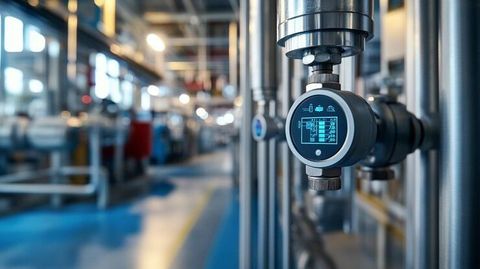
Refineries increasingly use digital systems to monitor equipment performance and processing conditions in real time. Smart monitoring platforms help operators track pressure, temperature, and energy usage throughout refinery operations.
Recent developments include:
- Predictive maintenance systems
- Automated process controls
- Remote equipment monitoring
- Data analysis platforms
These systems support operational planning and equipment management.
Energy Efficiency Improvements
Many refinery facilities are upgrading equipment to improve thermal efficiency and reduce energy consumption.
Areas receiving attention include:
- Heat recovery systems
- Efficient furnace technologies
- Advanced insulation systems
- Process optimization software
Energy management has become an important part of refinery modernization programs.
Environmental Compliance Technologies
Environmental monitoring systems are increasingly integrated into refinery operations to support emission tracking and wastewater management.
Technologies include:
- Gas monitoring systems
- Wastewater treatment equipment
- Vapor recovery units
- Flare management systems
These systems help facilities meet environmental regulations and operational standards.
Petrochemical Expansion Projects
Several regions continue expanding petrochemical infrastructure to support manufacturing industries and industrial material production. Integrated refinery and petrochemical facilities are becoming more common in industrial development projects.
Laws or Policies
Oil refinery equipment and petrochemical operations are regulated through industrial safety standards, environmental laws, and energy sector policies.
Environmental Regulations
Refineries must comply with environmental requirements related to emissions, wastewater discharge, and waste management.
Regulated areas often include:
- Air pollution control
- Sulfur emissions
- Industrial wastewater treatment
- Hazardous material handling
Environmental agencies typically monitor refinery operations through inspection and reporting systems.
Industrial Safety Standards
Refinery facilities operate under safety regulations designed to manage high-pressure systems, flammable materials, and chemical processing activities.
Safety requirements may involve:
- Emergency shutdown systems
- Equipment inspection programs
- Fire protection systems
- Worker safety procedures
Operational safety is important due to the complexity of refinery environments.
Energy and Industrial Policies
Governments may introduce energy policies related to fuel production, petrochemical development, and industrial infrastructure planning. These policies can influence refinery modernization and production capacity expansion.
Tools and Resources
Several technical tools and digital systems support refinery equipment management and petrochemical processing operations.
Process Simulation Software
Refinery engineers use simulation software to analyze processing conditions and evaluate production performance.
Functions may include:
- Temperature analysis
- Pressure calculations
- Flow modeling
- Energy balance evaluation
These tools support refinery planning and process optimization.
Equipment Monitoring Systems
Digital monitoring platforms track refinery equipment conditions and operational performance.
Monitoring systems may measure:
- Equipment vibration
- Pressure levels
- Heat exchanger performance
- Pump efficiency
These tools assist with maintenance scheduling and operational management.
Industrial Standards and Technical References
Refinery operations often follow engineering standards and technical documentation related to pressure systems, piping design, and process safety.
Resources may include:
- Equipment specification manuals
- Safety management guidelines
- Corrosion monitoring references
- Process control documentation
FAQs
What is oil refinery equipment used for?
Oil refinery equipment is used to process crude oil into fuels, lubricants, petrochemical feedstocks, and industrial materials through heating, separation, and chemical conversion processes.
What are the main processing systems in a refinery?
Main refinery processing systems include distillation units, cracking systems, hydrotreating units, heat exchangers, storage tanks, and pipeline transfer equipment.
How does the petrochemical industry use refinery products?
The petrochemical industry uses refinery feedstocks to manufacture plastics, synthetic fibers, industrial chemicals, packaging materials, and construction products.
Why are refinery monitoring systems important?
Refinery monitoring systems help track pressure, temperature, equipment performance, and environmental conditions during industrial processing operations.
What industries depend on refinery and petrochemical applications?
Industries connected to refinery and petrochemical applications include transportation, manufacturing, construction, agriculture, textiles, and energy production.
Conclusion
Oil refinery equipment and processing systems are important parts of global energy infrastructure and industrial manufacturing networks. Refineries convert crude oil into fuel products and petrochemical materials used across transportation, construction, chemical processing, and manufacturing industries. Modern refinery operations combine distillation systems, cracking technologies, monitoring platforms, and environmental management systems to maintain stable industrial processing activities. Recent developments in automation, energy efficiency, and environmental monitoring continue shaping refinery modernization efforts. Industrial regulations and safety standards also influence how refinery facilities manage equipment, production systems, and petrochemical operations.