Oil Extraction Equipment: A Simple Guide to Modern Systems
Oil extraction equipment helps separate useful oils from seeds, nuts, and other raw materials through controlled mechanical, thermal, and filtration processes.
Oil extraction equipment refers to machinery used to separate oil from oil-bearing materials such as seeds, nuts, fruits, and certain plant-based raw materials. The equipment exists because raw materials contain oil within their cellular structure, and controlled processing is needed to release, collect, and refine that oil.
Common systems may include seed preparation units, mechanical oil presses, screw presses, hydraulic presses, extraction chambers, filtration equipment, and oil purification units. Different equipment is selected according to the raw material, processing method, production scale, and required oil quality.
The basic process usually involves cleaning the raw material, preparing it through size reduction or conditioning, extracting the oil, and removing unwanted particles. Some industrial oil extraction systems also use advanced monitoring technology to improve temperature control, pressure management, and production consistency.
| Processing Stage | Main Purpose |
|---|---|
| Raw Material Preparation | Removes impurities and prepares materials |
| Oil Extraction | Separates oil from the source material |
| Filtration | Reduces suspended particles |
| Purification | Improves oil clarity and consistency |
Importance: Why Oil Extraction Equipment Matters Today
Oil extraction equipment is important for food processing, agricultural production, bio-based manufacturing, and industrial material processing. It helps transform oil-bearing raw materials into usable oils while supporting more controlled and efficient production.
Modern equipment can help address several challenges:
- Reducing unnecessary material waste
- Improving consistency during extraction
- Supporting better hygiene and process control
- Monitoring pressure, temperature, and operating conditions
- Handling different types of oil-bearing materials
The topic affects farmers, food processors, agricultural facilities, industrial manufacturers, engineers, equipment operators, and quality-control teams. Efficient extraction is also increasingly important because processors aim to use raw materials more effectively and reduce losses.
High-value SEO terms naturally associated with this topic include industrial oil extraction equipment, screw press machine, hydraulic oil press, oilseed processing equipment, oil filtration system, industrial extraction technology, and automated processing equipment.
Recent Updates: Technology Trends in 2025 and 2026
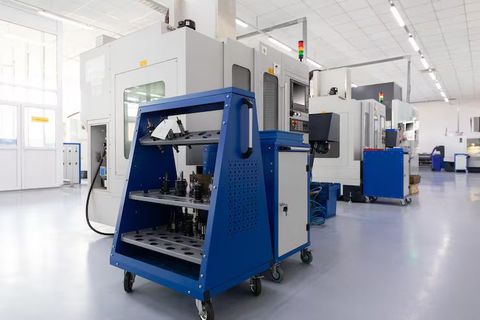
During the past year, oil extraction technology has continued moving toward automation, improved energy management, and digital process monitoring. Equipment manufacturers have increasingly focused on sensors that track pressure, temperature, vibration, and machine performance.
From 2025 into 2026, several trends have become more visible:
Smart Process Monitoring
Digital sensors and control panels are helping operators observe extraction conditions more closely. This can support faster identification of unusual temperature or pressure changes.
Energy-Efficient Equipment Design
Newer processing systems are increasingly designed to reduce unnecessary energy use through improved motors, heat recovery methods, and optimized operating cycles.
Better Filtration Technology
Advanced filtration systems are being used to improve particle separation and support cleaner processing stages. Multi-stage filtration is becoming more common in larger operations.
Automation and Data Analysis
Automated controls can improve repeatability by maintaining selected operating parameters. Production data may also help teams identify maintenance needs and process variations.
Laws or Policies: Rules That Affect Oil Extraction Equipment
Rules depend on the country, the intended use of the extracted oil, and the processing method. Equipment used for edible oil processing is generally affected by food safety, hygiene, sanitation, machinery safety, and labeling requirements.
In India, food-related oil processing is subject to applicable food safety and quality frameworks, while industrial facilities may also need to follow machinery safety, environmental, workplace safety, and pollution-control requirements.
Important compliance areas may include:
- Food-grade material requirements where applicable
- Equipment cleaning and sanitation procedures
- Safe electrical and mechanical operation
- Worker safety around moving machinery
- Waste and wastewater management
- Air-emission controls for certain industrial processes
- Accurate testing and quality documentation
Businesses should check the latest requirements applicable to their location and processing activity because regulations can change.
Tools and Resources for Understanding Oil Extraction Systems
Several general tools can help people understand and manage oil extraction processes:
- Extraction yield calculators for comparing input material with recovered oil
- Moisture measurement tools for checking raw material conditions
- Temperature and pressure monitors for observing operating parameters
- Process flow templates for documenting each production stage
- Preventive maintenance checklists for routine equipment inspection
- Laboratory testing methods for evaluating oil quality and impurities
- Technical training resources covering machinery safety and process basics
These resources can support better planning, documentation, and operational awareness.
FAQs About Oil Extraction Equipment
What is the main purpose of oil extraction equipment?
Its main purpose is to separate oil from oil-bearing raw materials through controlled mechanical, thermal, or other approved extraction methods.
What is a screw press used for?
A screw press applies continuous mechanical pressure to process oil-bearing materials and separate oil from the remaining solid material.
Why is filtration important after extraction?
Filtration helps reduce suspended particles and other unwanted material, supporting clearer and more consistent processed oil.
Does every raw material require the same equipment?
No. Equipment selection depends on the material type, moisture level, oil content, processing method, and production requirements.
How can equipment performance be monitored?
Operators may use temperature sensors, pressure gauges, digital control systems, vibration monitoring, and maintenance records.
Conclusion
Oil extraction equipment plays an important role in modern agricultural and industrial processing. From mechanical presses and filtration units to automated monitoring systems, each stage supports controlled separation and improved process consistency.
Recent developments in 2025 and 2026 show a growing focus on automation, energy efficiency, sensor-based monitoring, and better filtration. Understanding the equipment, relevant regulations, and available technical resources can help readers develop a clearer view of how modern oil extraction processes operate.
Disclaimer
This article is provided for general educational and informational purposes only. Equipment requirements, safety practices, technical specifications, and regulations may vary by location, application, and processing method. Readers should verify current requirements with appropriate technical and regulatory authorities before making operational decisions.