Jump to a Chapter

Modern Security Systems for Residences and Hotels: Technologies, Safety Practices, and Industry Insights

Modern Security Systems for Residences and Hotels: Technologies, Safety Practices, and Industry Insights

Security has become an increasingly important consideration for residential properties, hospitality facilities, and accommodation providers. As technology continues to evolve, modern security systems now incorporate digital monitoring, intelligent automation, access management, and integrated safety solutions designed to enhance awareness and operational efficiency.


Residences and hotels often have different security requirements, but both environments share common objectives such as protecting occupants, managing access, supporting emergency preparedness, and improving situational awareness.

This article explores modern security technologies, safety practices, and industry developments from an educational perspective. It does not provide security consulting, risk assessments, or recommendations for specific products or services.

Understanding Modern Security Systems

A security system typically consists of technologies, procedures, and monitoring tools designed to support safety and property protection.

Common objectives include:

  • Access management
  • Occupant safety
  • Property monitoring
  • Incident awareness
  • Emergency preparedness
  • Operational oversight

Security approaches vary depending on property type, location, size, and operational requirements.

Security Needs in Residential Properties

Residential security often focuses on protecting occupants and managing property access.

Common areas of consideration include:

  • Entry points
  • Outdoor areas
  • Garages
  • Shared spaces
  • Visitor access
  • Property monitoring

Homeowners may evaluate security solutions based on lifestyle needs and property characteristics.

Security Requirements in Hotels

Hotels face unique operational challenges because they accommodate guests, employees, contractors, and service providers.

Security considerations may include:

  • Guest access management
  • Staff coordination
  • Property monitoring
  • Emergency response planning
  • Asset protection
  • Visitor management

Hospitality security strategies often balance convenience and safety.

Access Control Technologies

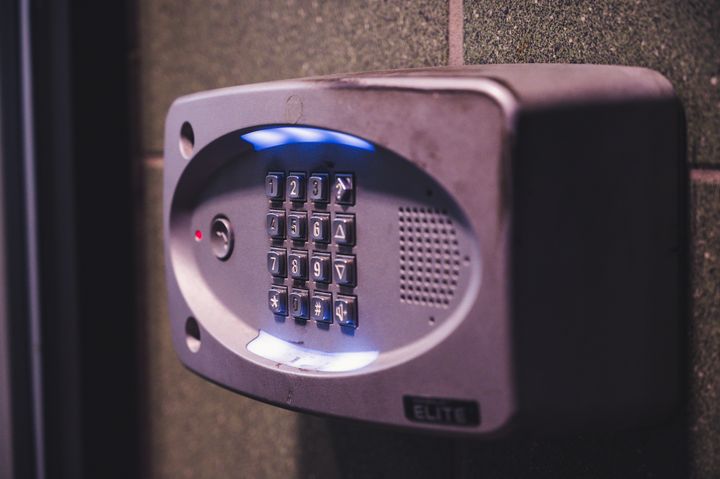
Access control systems are commonly used to regulate entry into buildings and restricted areas.

Examples include:

  • Electronic key systems
  • Smart locks
  • Access cards
  • Mobile credentials
  • Biometric technologies
  • Digital authentication systems

Access management technologies continue evolving as digital infrastructure expands.

Smart Locks and Digital Entry Systems

Smart locks have become increasingly common in both homes and hotels.

Potential capabilities may include:

  • Remote access management
  • Temporary access permissions
  • Activity tracking
  • Mobile device integration
  • Automated locking functions

Features vary depending on system design and implementation.

Surveillance and Monitoring Systems

Video monitoring technologies are widely used for security awareness.

Common applications include:

  • Entry monitoring
  • Property observation
  • Common area oversight
  • Perimeter visibility
  • Incident documentation

Surveillance systems are often integrated into broader security frameworks.

8

Understanding Security Cameras

Modern camera systems may include various technological features.

Examples include:

  • High-definition imaging
  • Night visibility capabilities
  • Motion detection functions
  • Remote viewing options
  • Digital storage integration

Camera systems are used across residential, commercial, and hospitality environments.

Motion Detection Technologies

Motion detection systems are commonly integrated into security solutions.

Potential applications include:

  • Activity awareness
  • Automated notifications
  • Lighting activation
  • Monitoring support
  • Security automation

Performance may vary according to environmental conditions and system configuration.

Alarm Systems and Notification Tools

Alarm technologies remain a central component of many security strategies.

Examples include:

  • Intrusion alerts
  • Entry notifications
  • Emergency signaling systems
  • Audible alarms
  • Monitoring integrations

Modern alarm systems may support both local and remote notification methods.

Fire and Life Safety Technologies

Security and safety systems often work alongside fire protection measures.

Examples include:

  • Smoke detection systems
  • Heat detection devices
  • Emergency alert technologies
  • Evacuation support systems
  • Safety monitoring infrastructure

Fire protection requirements vary according to building regulations and local standards.

Integrated Security Platforms

Many modern properties utilize integrated systems that connect multiple technologies.

Examples may include:

  • Access control
  • Video surveillance
  • Alarm systems
  • Visitor management
  • Building automation

Integrated approaches can improve operational visibility and management efficiency.

Cybersecurity and Connected Devices

As security systems become increasingly connected, cybersecurity considerations have become more important.

Common areas of focus include:

  • Device protection
  • Secure communication
  • Data management
  • User authentication
  • System updates

Cybersecurity is an important component of modern digital infrastructure.

Visitor Management Systems

Visitor management solutions are increasingly used in both residential communities and hospitality environments.

Functions may include:

  • Visitor registration
  • Access authorization
  • Entry tracking
  • Digital credential management
  • Guest coordination

Implementation approaches vary across organizations and property types.

Artificial Intelligence in Security Systems

AI technologies continue influencing modern security solutions.

Examples include:

  • Pattern recognition
  • Automated monitoring
  • Event analysis
  • Smart notifications
  • Operational insights

AI-assisted systems are becoming increasingly common across the security industry.

Emergency Preparedness and Response

Technology is only one aspect of security planning.

Organizations and property owners often consider:

  • Emergency procedures
  • Communication plans
  • Staff training
  • Safety awareness
  • Incident response protocols

Preparedness practices vary according to local requirements and operational needs.

Privacy Considerations

Security technologies often involve the collection and management of information.

Important considerations may include:

  • Privacy regulations
  • Data protection practices
  • Access permissions
  • Information security
  • Responsible technology use

Property operators must often balance security objectives with privacy expectations.

Hospitality and Residential Security Trends in 2026

Several developments continue shaping modern security systems.

Current trends include:

  • AI-assisted monitoring
  • Smart access technologies
  • Mobile credential systems
  • Cloud-connected security platforms
  • Integrated safety infrastructure
  • Cybersecurity-focused design
  • Automated incident detection
  • Intelligent building management systems

These developments reflect broader advancements across property technology and digital infrastructure sectors.

Frequently Asked Questions

What is an access control system?

An access control system is a technology solution used to manage and regulate entry to buildings, rooms, or restricted areas.

Why are surveillance systems used?

Surveillance technologies may support property monitoring, situational awareness, and incident documentation.

What are smart locks?

Smart locks are digital access devices that may support electronic credentials, remote management, and automated access functions.

How does AI contribute to security systems?

AI may assist with monitoring, event recognition, automation, and operational analysis within modern security platforms.

Why is cybersecurity important for security systems?

Connected security devices often rely on digital networks, making cybersecurity an important consideration for system protection and data management.

Conclusion

Modern security systems continue evolving through advancements in access control, intelligent monitoring, digital infrastructure, and integrated safety technologies. Both residences and hotels increasingly rely on connected solutions that combine physical security measures with digital management capabilities.

As artificial intelligence, automation, cybersecurity, and smart building technologies continue developing, understanding the fundamentals of modern security systems can help individuals and organizations better appreciate the innovations shaping safety and property management practices.

Disclaimer

This article is intended solely for informational and educational purposes. It does not provide security consulting, law enforcement, legal, cybersecurity, engineering, safety certification, emergency response, or professional risk management advice. It does not endorse, recommend, compare, rank, review, market, or promote any security product, technology provider, monitoring service, software platform, or manufacturer. Readers should consult qualified security professionals, legal advisors, safety experts, and local authorities regarding security planning, regulatory compliance, emergency preparedness, and property-specific requirements.


author-image

Ravi Shankar Maurya

We create purposeful content that speaks, resonates, and drives action.

June 17, 2026 . 8 min read