MG Starlight 560 Complete Guide, Features, Overview and Key Details
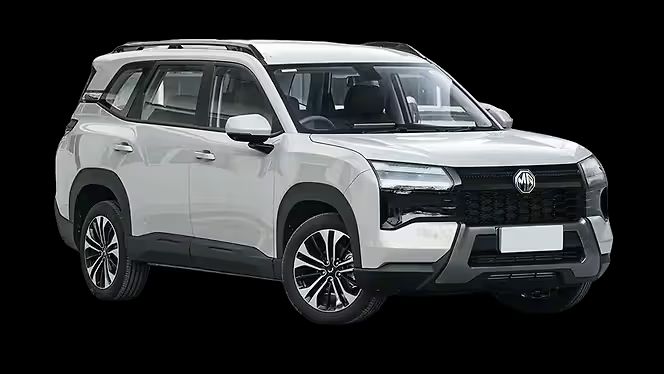
The MG Starlight 560 is part of MG Motor's expanding portfolio of electrified vehicles designed to support the growing transition toward cleaner transportation. While the name "560" is commonly associated with a battery range variant in several markets, the vehicle reflects MG's broader focus on combining modern vehicle technology, efficient electric powertrains, advanced driver assistance systems, and digital connectivity.
As electric mobility continues to develop worldwide, vehicles like the MG Starlight 560 demonstrate how manufacturers are introducing new battery technologies, improved energy efficiency, and connected driving experiences. The model represents a shift toward practical electric transportation while incorporating features expected in modern passenger vehicles.
This guide explains the MG Starlight 560, its purpose, major technologies, recent developments, applicable regulations, useful resources, and frequently asked questions.
Understanding the MG Starlight 560
The MG Starlight 560 belongs to the new generation of electrified passenger vehicles developed with efficiency and comfort in mind.
Depending on the market, the model may be available in different battery capacities or powertrain configurations. Manufacturers often adapt vehicle specifications according to regional regulations, infrastructure, and customer preferences.
Some commonly highlighted characteristics include:
- Modern aerodynamic exterior styling
- Battery-electric or electrified platform architecture
- Connected infotainment system
- Digital driver displays
- Advanced safety technologies
- Driver assistance functions
- Regenerative braking system
- Intelligent battery management
Rather than focusing solely on performance, the MG Starlight 560 emphasizes efficiency, technology integration, and everyday usability.
Why Electric Vehicles Like the MG Starlight 560 Matter
Electric vehicles are becoming increasingly important because governments, manufacturers, and consumers are looking for transportation options that reduce emissions while improving energy efficiency.
The MG Starlight 560 reflects several broader automotive trends.
Environmental Benefits
Battery-electric vehicles produce zero tailpipe emissions during operation, contributing to improved urban air quality.
Improved Energy Efficiency
Electric motors convert energy more efficiently than conventional internal combustion engines.
Digital Vehicle Experience
Modern EVs integrate:
- Smartphone connectivity
- Navigation systems
- Remote monitoring
- Software-based features
- Intelligent energy management
Growing Charging Infrastructure
Many countries continue expanding public charging networks, making electric mobility increasingly practical.
Advanced Safety Systems
Modern EV platforms often support:
- Adaptive cruise control
- Automatic emergency braking
- Lane assistance
- Parking assistance
- Blind-spot monitoring
These technologies improve driver awareness and convenience.
Key Features Overview
| Feature | General Information |
|---|---|
| Vehicle Type | Electric passenger vehicle |
| Platform | Dedicated or electrified architecture (market dependent) |
| Battery Technology | Lithium-ion battery system |
| Driving Range | Variant dependent |
| Charging | AC and DC charging support (market dependent) |
| Regenerative Braking | Available |
| Digital Instrument Cluster | Yes |
| Touchscreen Infotainment | Yes |
| Connected Features | Supported in selected markets |
| Driver Assistance | Available depending on variant |
Design and Technology
The MG Starlight 560 focuses on combining efficiency with modern styling.
Its exterior design typically incorporates:
- LED lighting
- Streamlined body profile
- Aerodynamic elements
- Flush design details
- Modern alloy wheel options
Inside the cabin, manufacturers generally emphasize:
- Large touchscreen interface
- Digital instrument display
- Comfortable seating
- Voice interaction
- Wireless smartphone integration
- USB connectivity
- Multiple storage spaces
Many modern MG vehicles also include over-the-air software update capability where supported.
Battery and Energy Management
Battery technology plays a central role in electric vehicles.
The MG Starlight 560 is expected to incorporate sophisticated battery management systems that monitor:
- Cell temperature
- Charging efficiency
- Battery health
- Power delivery
- Energy recovery
These systems help optimize performance while protecting battery components under different driving conditions.
Regenerative braking further improves efficiency by converting kinetic energy back into electrical energy during deceleration.
Latest Developments and Industry Updates
During 2025 and 2026, the global electric vehicle industry continued to experience rapid technological advancement.
Several important trends have influenced vehicles such as the MG Starlight 560.
Improved Battery Technology
Manufacturers continue introducing batteries with:
- Higher energy density
- Better thermal management
- Faster charging capability
- Longer operating life
Software Integration
Modern vehicles increasingly rely on software for:
- Navigation
- Battery optimization
- Driver assistance
- Connected services
- Remote diagnostics
Growing Charging Networks
Many countries expanded:
- Fast charging stations
- Highway charging corridors
- Urban charging facilities
- Residential charging support
Advanced Driver Assistance
Vehicle manufacturers continue enhancing:
- Collision prevention
- Driver monitoring
- Lane guidance
- Adaptive driving support
These developments contribute to safer and more intelligent driving experiences.
Comparison of Key EV Technology Areas
| Technology Area | Importance |
|---|---|
| Battery Management | Improves battery efficiency and longevity |
| Regenerative Braking | Recovers energy during driving |
| Fast Charging | Reduces charging time |
| Thermal Management | Helps maintain battery performance |
| Connected Software | Enables remote vehicle functions |
| Driver Assistance | Improves driving safety |
EV Technology Trends
Battery Technology       ██████████
Digital Connectivity     █████████
Charging Infrastructure  █████████
Safety Technology        ██████████
Software Integration     █████████
Energy Efficiency        ██████████
Illustrative representation of major electric vehicle technology focus areas.
Regulations and Government Policies
Electric vehicles operate within regulatory frameworks that differ across countries.
Common policy areas include:
- Vehicle safety standards
- Battery safety requirements
- Crash testing regulations
- Charging connector standards
- Environmental compliance
- Recycling guidelines
- Cybersecurity requirements
- Vehicle software regulations
In many regions, governments are also investing in charging infrastructure and encouraging cleaner transportation through long-term mobility strategies.
Vehicle specifications may therefore vary depending on local regulations and certification requirements.
Charging Considerations
Electric vehicle owners typically encounter two charging methods.
AC Charging
Suitable for:
- Home charging
- Workplace charging
- Overnight charging
DC Fast Charging
Commonly used for:
- Highway travel
- Public charging stations
- Faster charging sessions
Charging speed depends on:
- Battery condition
- Charger capability
- Ambient temperature
- Vehicle software
- Battery state of charge
Digital Connectivity Features
Modern connected vehicles increasingly support:
- Mobile application integration
- Remote charging monitoring
- Vehicle location
- Battery status
- Climate control scheduling
- Navigation updates
- Driving statistics
- Software updates
Feature availability varies between markets.
Useful Tools and Resources
The following resources help users better understand electric vehicles and charging infrastructure.
- Official MG Motor website for regional specifications
- Government EV information portals
- Public charging station locator applications
- Navigation apps with EV charging support
- Battery range estimation calculators
- Vehicle charging planners
- Energy consumption tracking tools
- Electric vehicle ownership guides
- Charging infrastructure maps
- Automotive safety information platforms
These resources provide educational information for learning about electric mobility and vehicle technologies.
Factors That Influence Electric Vehicle Performance
Several variables affect the real-world experience of driving an electric vehicle.
- Ambient temperature
- Driving style
- Average speed
- Road conditions
- Tire pressure
- Vehicle load
- Air conditioning usage
- Heating requirements
- Charging habits
- Terrain
Understanding these factors helps drivers better estimate energy consumption and vehicle efficiency.
Frequently Asked Questions
Is the MG Starlight 560 a fully electric vehicle?
The model name is generally associated with an electric variant, although specifications may vary depending on the market. Always refer to official regional specifications for confirmation.
What type of battery does the MG Starlight 560 use?
It is generally expected to use a modern lithium-ion battery system managed by an advanced battery management system for efficiency and safety.
Does the vehicle support fast charging?
Many modern electric vehicles, including MG's latest models, support DC fast charging depending on the specific variant and regional availability.
What technologies are commonly available?
Typical technologies include digital displays, touchscreen infotainment, regenerative braking, connected features, and advanced driver assistance systems.
Can specifications differ between countries?
Yes. Vehicle features, battery capacities, charging systems, and software capabilities often vary according to local regulations and market requirements.
Future Outlook
Electric mobility continues evolving through improvements in battery chemistry, charging technology, software integration, and intelligent vehicle systems.
Manufacturers are increasingly focusing on:
- Higher efficiency
- Enhanced digital experiences
- Safer driving technologies
- Sustainable manufacturing
- Smarter battery management
- Connected mobility ecosystems
Vehicles like the MG Starlight 560 represent this ongoing evolution as the automotive industry adopts cleaner and more technologically advanced transportation solutions.
Conclusion
The MG Starlight 560 illustrates the direction in which modern electric vehicles are evolving. By combining battery-electric technology, digital connectivity, energy-efficient engineering, and advanced safety systems, it reflects the broader transformation taking place across the automotive industry.
Although specifications may vary by market, the vehicle highlights many of the technologies that are becoming increasingly common in today's electric mobility landscape. Understanding battery management, charging options, connected features, regulatory requirements, and evolving EV technologies allows consumers and automotive enthusiasts to better appreciate how vehicles like the MG Starlight 560 fit into the future of transportation.
As charging infrastructure expands and battery technology continues improving, electric vehicles are expected to play an increasingly significant role in sustainable mobility while delivering smarter, safer, and more connected driving experiences.