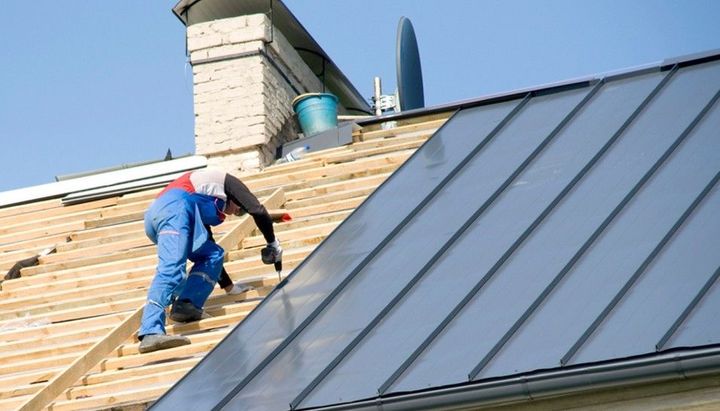
Roofing systems have existed for centuries as an essential part of building construction. Traditional roofing materials included clay tiles, wood, slate, and stone. Over time, metal roofing became increasingly common because of its durability, fire resistance, and long-term structural performance.
Today, metal roofing is used across many regions due to changing construction requirements, climate considerations, and advancements in building technology. Modern metal roofing systems are designed to improve weather protection, drainage efficiency, insulation support, and energy performance.
Several common types of metal roofing materials include:
| Roofing Material | Common Characteristics |
|---|
| Steel Roofing | Strong and widely used |
| Aluminum Roofing | Lightweight and corrosion resistant |
| Copper Roofing | Long lifespan and distinct appearance |
| Zinc Roofing | Self-protective surface layer |
| Galvanized Metal Roofing | Steel coated for additional protection |
Metal roofing systems are generally manufactured in different panel styles and structural designs. Some common formats include:
-
Standing seam panels
-
Corrugated metal sheets
-
Metal shingles
-
Ribbed roofing panels
-
Stone-coated metal roofing
The primary purpose of a roof is to protect a building from external environmental conditions such as rain, sunlight, snow, wind, and temperature changes. Metal roofing systems evolved to address these requirements while also improving structural reliability and maintenance efficiency.
As construction industries modernized, metal roofing became associated with sustainable building practices, energy-efficient design strategies, and advanced weather-resistant construction methods.
Why Metal Roofing Matters Today
Roofing systems play a major role in structural safety, insulation efficiency, and long-term building performance. Metal roofing has become increasingly important because modern buildings face a wide range of environmental and operational challenges.
Today, metal roofing is used in:
-
Residential housing
-
Warehouses
-
Commercial buildings
-
Agricultural facilities
-
Industrial infrastructure
-
Educational institutions
One major reason metal roofing matters is climate resilience. Buildings in many regions experience heavy rainfall, heat exposure, storms, or snow accumulation, requiring durable roofing systems capable of handling long-term environmental stress.
The following table highlights common building concerns addressed by roofing systems:
| Building Concern | Roofing Relevance |
|---|
| Water drainage | Prevents leakage and moisture damage |
| Heat exposure | Supports temperature management |
| Structural protection | Shields buildings from weather conditions |
| Fire resistance | Improves safety standards |
| Energy efficiency | Supports insulation performance |
Metal roofing systems are also connected with energy efficiency discussions because reflective roof coatings may help reduce heat absorption in certain climates. This has increased interest in cool roofing technologies and sustainable building materials.
Another important factor is durability. Compared with some traditional roofing materials, metal roofs are often recognized for long operational lifespans and lower maintenance frequency under appropriate installation conditions.
Commercial and industrial sectors frequently use metal roofing because it supports:
-
Large-span structural coverage
-
Rainwater drainage systems
-
Solar panel integration
-
Ventilation compatibility
-
Warehouse temperature management
Modern architecture trends have also contributed to the growth of metal roofing. Contemporary buildings increasingly incorporate minimalist exterior styles and engineered roofing designs that use metal materials for both functionality and visual consistency.
Recent Metal Roofing Trends and Industry Updates
The roofing industry experienced several developments during 2025 and early 2026. Construction sectors worldwide increased focus on sustainability, climate resilience, and energy-efficient building systems.
Several major roofing trends included:
-
Increased use of reflective roof coatings
-
Expansion of solar-compatible roofing systems
-
Growth in recycled metal material usage
-
Improved weather-resistant roofing technology
-
Rising adoption of standing seam roofing systems
The following chart summarizes major roofing industry focus areas:
| Roofing Trend | Industry Activity |
|---|
| Energy-Efficient Roofing | High Growth |
| Sustainable Building Materials | Increasing |
| Smart Building Integration | Expanding |
| Solar Roofing Compatibility | Strong Interest |
| Weather-Resistant Systems | Widely Prioritized |
During 2025, many construction projects also emphasized climate-adaptive infrastructure due to increased concern about extreme weather conditions. Roofing manufacturers introduced upgraded coatings and corrosion-resistant technologies designed to improve long-term performance.
Digital construction planning tools also became more common. Roofing professionals increasingly used:
-
3D roof modeling software
-
Drone roof inspections
-
Thermal imaging systems
-
Digital measurement applications
-
Structural planning tools
Another important trend involved green building certification programs. Many commercial construction projects adopted roofing systems aligned with environmental efficiency standards and sustainable construction frameworks.
Metal roofing systems also became more closely associated with renewable energy infrastructure because many roof types can support solar panel installations and energy-management systems.
Urban development projects increasingly integrated modern roofing materials to improve:
-
Water management
-
Heat reduction
-
Environmental efficiency
-
Structural resilience
-
Long-term maintenance planning
Laws, Regulations, and Building Policies
Roofing systems are regulated through construction codes, safety standards, and environmental regulations. Governments and local authorities establish rules to ensure buildings meet structural and safety requirements.
Metal roofing projects are commonly affected by:
-
Building codes
-
Fire safety regulations
-
Wind resistance standards
-
Drainage requirements
-
Energy-efficiency guidelines
-
Environmental compliance rules
The following table highlights major regulatory areas connected to roofing systems:
| Regulatory Area | Purpose |
|---|
| Building Codes | Structural safety compliance |
| Fire Resistance Standards | Improve building safety |
| Energy Regulations | Support insulation efficiency |
| Environmental Policies | Encourage sustainable construction |
| Storm Protection Standards | Improve weather resilience |
Different countries and regions maintain separate roofing regulations depending on climate conditions and infrastructure priorities.
For example:
-
Hurricane-prone regions may require stronger wind-resistance ratings
-
Snow-heavy regions may require structural load calculations
-
Hot-climate regions may encourage reflective roofing systems
Environmental policies have also influenced roofing materials in recent years. Some governments encourage sustainable construction practices through energy-efficiency guidelines and green building frameworks.
Roofing systems may also be evaluated under:
-
Urban planning policies
-
Commercial property standards
-
Industrial safety guidelines
-
Residential construction requirements
Insurance providers sometimes consider roofing materials during property risk evaluations because roofing systems influence fire resistance and weather resilience.
In many regions, local authorities require permits and inspections before major roofing modifications can proceed. Inspection procedures help confirm compliance with structural safety standards and drainage regulations.
Helpful Tools and Roofing Resources
Modern roofing projects use a wide range of digital tools and planning resources. These resources help property owners, contractors, architects, and engineers evaluate roofing structures and maintenance requirements.
Common roofing-related tools include:
| Tool Type | Purpose |
|---|
| Roof Measurement Calculators | Estimate roof dimensions |
| Drainage Planning Tools | Evaluate water flow systems |
| Solar Compatibility Assessments | Review renewable energy integration |
| Thermal Imaging Systems | Detect insulation issues |
| Weather Monitoring Platforms | Analyze climate exposure |
Construction professionals also rely on:
-
CAD software
-
Drone inspection tools
-
Building Information Modeling (BIM)
-
Structural engineering software
-
Roofing material specification databases
Helpful educational resources may include:
-
Government construction code websites
-
Roofing association publications
-
Environmental building standards
-
Weather-resilience planning guides
-
Roofing maintenance checklists
The following table summarizes commonly referenced roofing resources:
| Resource Category | Purpose |
|---|
| Building Code Portals | Construction compliance information |
| Roofing Material Databases | Material specifications |
| Climate Planning Resources | Weather exposure analysis |
| Maintenance Guides | Long-term roofing care |
| Safety Manuals | Workplace protection standards |
Digital inspection technologies also improved significantly during recent years. Drone-based roof inspections are increasingly used for evaluating large commercial structures and difficult-to-access roof areas.
Many building professionals now integrate roofing systems with broader smart-building infrastructure, including:
-
Solar energy systems
-
Rainwater collection systems
-
Smart ventilation monitoring
-
Temperature management systems
-
Building automation platforms
Frequently Asked Questions
What is metal roofing?
Metal roofing is a roofing system made from materials such as steel, aluminum, zinc, or copper. It is used to protect buildings from environmental conditions while supporting structural durability.
Why is metal roofing commonly used in commercial buildings?
Commercial buildings often use metal roofing because it supports large structural spans, weather resistance, drainage efficiency, and long operational life.
What is standing seam metal roofing?
Standing seam roofing uses vertically connected metal panels with raised seams that help improve water resistance and structural stability.
How does metal roofing support energy efficiency?
Some metal roofing systems use reflective coatings that may reduce heat absorption and improve temperature management in certain climates.
Are metal roofs affected by weather conditions?
All roofing systems are influenced by environmental conditions. Modern metal roofs are typically engineered to improve resistance against rain, wind, sunlight exposure, and corrosion.
Can metal roofs support solar panels?
Many metal roofing systems are compatible with solar panel installations and renewable energy infrastructure.
Roofing Industry Overview
The following chart summarizes major factors influencing modern roofing systems:
| Industry Factor | Impact on Roofing |
|---|
| Climate Conditions | Shapes material requirements |
| Energy Efficiency Standards | Influences roofing technology |
| Urban Development | Increases construction demand |
| Environmental Policies | Encourages sustainable materials |
| Smart Building Technology | Expands integrated roofing systems |
Understanding Roofing Material Categories
Different roofing materials are selected based on structural, environmental, and architectural requirements.
| Roofing Category | Common Use |
|---|
| Steel Roofing | Residential and industrial buildings |
| Aluminum Roofing | Coastal and lightweight structures |
| Copper Roofing | Architectural applications |
| Zinc Roofing | Sustainable building projects |
| Corrugated Panels | Agricultural and warehouse structures |
Each material category offers different characteristics related to corrosion resistance, structural weight, appearance, and environmental adaptability.
Conclusion
Metal roofing remains an important part of modern construction because it supports structural protection, environmental resilience, and long-term building performance. Roofing systems influence safety, insulation, drainage, and weather resistance across residential, commercial, and industrial infrastructure.
Recent developments such as sustainable construction practices, reflective roofing technologies, digital inspection systems, and solar-compatible roofing designs continue shaping the industry. Building regulations, environmental policies, and climate considerations also influence how roofing systems are designed and maintained.
For beginners, understanding roofing materials, structural concepts, maintenance principles, and regulatory frameworks can help improve awareness of how modern roofing systems function within contemporary building design and infrastructure planning.