Mercedes-AMG E53 PHEV Explained: Explore Technology, Features, Advice, Suggestions, and Key Details
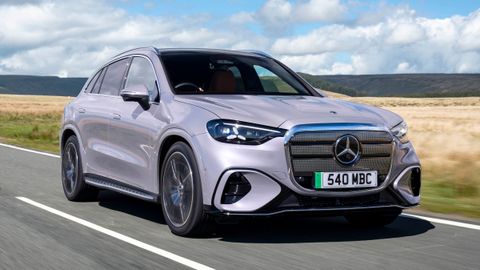
The Mercedes-AMG E53 PHEV is a performance-oriented plug-in hybrid electric vehicle (PHEV) that combines traditional combustion-engine technology with electric propulsion. It is part of the broader transition toward electrified transportation while maintaining the driving characteristics associated with performance-focused vehicles.
A plug-in hybrid differs from a conventional hybrid because it can be charged from an external power source and typically provides a greater electric-only driving range. The E53 PHEV integrates an advanced powertrain that allows drivers to use electric power for certain journeys while also benefiting from the capabilities of a high-performance gasoline engine.
The development of performance plug-in hybrids reflects broader trends in the automotive industry, where manufacturers are balancing efficiency, emissions reduction, and vehicle performance. This approach aims to address changing environmental regulations and evolving consumer expectations.
Several high-value automotive technology topics are often associated with vehicles like the E53 PHEV:
- Plug-in hybrid technology
- Electric vehicle charging systems
- Advanced driver assistance systems
- Automotive battery management
- Connected vehicle technology
- Energy efficiency solutions
- Intelligent mobility systems
- Vehicle safety technology
Why Performance Plug-In Hybrids Matter Today
Electrification has become a major focus across the automotive sector. Governments, manufacturers, and consumers are increasingly interested in reducing emissions while maintaining vehicle practicality and performance.
The Mercedes-AMG E53 PHEV represents an example of how hybrid technology can address multiple transportation challenges simultaneously.
Key benefits often associated with plug-in hybrid systems include:
- Reduced tailpipe emissions during electric driving
- Improved fuel efficiency in certain driving conditions
- Greater flexibility compared to fully electric vehicles
- Access to regenerative braking technology
- Reduced dependence on conventional fuel sources
The topic is relevant to several groups:
| Group | Why It Matters |
|---|---|
| Drivers | Understanding hybrid mobility options |
| Automotive Industry | Meeting emissions targets |
| Policymakers | Supporting sustainability goals |
| Fleet Operators | Evaluating vehicle efficiency strategies |
| Researchers | Advancing battery and hybrid technologies |
Performance-oriented hybrid vehicles also demonstrate how electrification can coexist with advanced engineering and driving dynamics. This has encouraged broader acceptance of electrified transportation among different vehicle users.
Key Technologies Found in the Mercedes-AMG E53 PHEV
The E53 PHEV incorporates several advanced automotive systems designed to improve efficiency, performance, and driving experience.
| Technology Area | Purpose |
| Plug-In Hybrid System | Combines electric and combustion power |
| High-Voltage Battery | Stores electrical energy |
| Regenerative Braking | Recovers energy during deceleration |
| Intelligent Energy Management | Optimizes power distribution |
| Driver Assistance Systems | Supports safer driving |
| Digital Connectivity | Enables vehicle information access |
A notable aspect of modern plug-in hybrids is energy management software. These systems continuously evaluate driving conditions and determine how to use available energy resources efficiently.
The vehicle also benefits from advanced battery cooling and thermal management systems. These technologies help maintain battery performance and operational stability across varying environmental conditions.
Recent Updates and Industry Developments
The automotive industry has experienced significant developments throughout 2025 and 2026 regarding electrification and hybrid technology.
Recent trends include:
- Expanded investment in battery technology research
- Growth in public charging infrastructure
- Improvements in hybrid system efficiency
- Enhanced vehicle software integration
- Greater focus on sustainable manufacturing processes
Manufacturers have increasingly emphasized plug-in hybrid platforms as part of their transition strategies toward lower-emission transportation.
Automotive Electrification Trends (2025–2026)
| Trend | Industry Impact |
| Improved Battery Density | Longer electric driving capability |
| Software-Based Vehicle Functions | Enhanced efficiency management |
| Smart Charging Integration | Better energy utilization |
| Advanced Driver Assistance | Increased safety support |
| Connectivity Features | Improved user experience |
Another notable trend is the expansion of vehicle-to-digital ecosystem integration. Drivers can increasingly monitor charging status, vehicle health information, and energy consumption through connected applications and digital interfaces.
Automotive analysts have also observed continued growth in consumer awareness regarding electric mobility, charging infrastructure, and hybrid vehicle technologies.
Regulations, Policies, and Compliance Considerations
Hybrid and plug-in hybrid vehicles operate within a regulatory framework that varies by country and region.
Common regulatory areas affecting vehicles such as the Mercedes-AMG E53 PHEV include:
- Vehicle emissions standards
- Battery safety regulations
- Charging infrastructure requirements
- Energy efficiency targets
- Environmental reporting standards
Many governments have introduced policies encouraging lower-emission transportation technologies. These measures are often part of broader climate and sustainability initiatives.
Examples of policy areas influencing plug-in hybrid development include:
| Policy Area | Impact on Vehicle Development |
| Emissions Standards | Encourages cleaner technologies |
| Battery Safety Rules | Supports consumer protection |
| Charging Regulations | Promotes infrastructure compatibility |
| Environmental Targets | Drives innovation efforts |
| Vehicle Testing Standards | Ensures compliance verification |
Manufacturers must also comply with strict testing procedures related to emissions performance, electrical safety, cybersecurity, and vehicle durability.
As automotive technology evolves, regulations continue to adapt to emerging innovations such as connected vehicles, software-defined systems, and advanced battery technologies.
Helpful Tools and Resources
Understanding plug-in hybrid vehicles often involves using specialized resources that provide educational and technical information.
Useful categories include:
- EV range calculators
- Charging station locators
- Vehicle efficiency calculators
- Battery health monitoring applications
- Automotive specification databases
- Regulatory information portals
- Sustainability reporting resources
Some commonly used resource types include:
| Resource Type | Purpose |
| Charging Maps | Locate compatible charging points |
| Energy Consumption Calculators | Estimate efficiency metrics |
| Vehicle Comparison Tools | Compare specifications |
| Automotive Research Platforms | Access technical information |
| Regulatory Databases | Review transportation regulations |
Educational organizations, transportation agencies, and automotive research institutions also publish reports that help explain emerging hybrid technologies and electrification trends.
For those studying automotive engineering, valuable learning topics include:
- Hybrid powertrain architecture
- Electric motor systems
- Battery management technology
- Vehicle cybersecurity
- Automotive software systems
- Energy recovery mechanisms
Understanding Performance and Efficiency Balance
One of the defining characteristics of performance plug-in hybrids is the balance between efficiency and driving capability.
Traditional performance vehicles have historically focused on engine output and handling characteristics. Modern plug-in hybrids add an additional layer through electrified propulsion systems.
The combination can support:
- Instant electric motor response
- Improved energy utilization
- Reduced emissions in certain conditions
- Enhanced power delivery management
- Greater operational flexibility
Simplified Hybrid Energy Flow
| Driving Situation | Primary Energy Source |
| Low-Speed Urban Travel | Electric Motor |
| Moderate Acceleration | Electric + Engine |
| Highway Cruising | Hybrid Optimization |
| Braking | Energy Recovery System |
| Charging | External Power Source |
This integrated approach reflects broader changes occurring across the transportation sector as manufacturers seek innovative solutions to efficiency and environmental challenges.
Frequently Asked Questions
What does PHEV stand for?
PHEV stands for Plug-In Hybrid Electric Vehicle. It combines an internal combustion engine with an electric motor and a rechargeable battery that can be charged from an external power source.
How is a plug-in hybrid different from a conventional hybrid?
A conventional hybrid primarily charges its battery through regenerative braking and engine operation. A plug-in hybrid can also be connected to external charging equipment, allowing greater electric-only driving capability.
Why are manufacturers developing performance plug-in hybrids?
Performance plug-in hybrids help balance efficiency goals, emissions requirements, and vehicle performance expectations while supporting broader electrification strategies.
Does regenerative braking recharge the battery?
Yes. Regenerative braking converts kinetic energy generated during deceleration into electrical energy that can be stored in the battery.
How do regulations affect plug-in hybrid vehicles?
Regulations influence emissions standards, battery safety requirements, charging compatibility, environmental targets, and testing procedures. These rules shape vehicle design and technological development.
Final Thoughts
The Mercedes-AMG E53 PHEV illustrates how modern automotive engineering is combining electrification with performance-focused vehicle design. By integrating a plug-in hybrid system, advanced battery technologies, intelligent energy management, and connected vehicle features, it reflects broader industry efforts to improve efficiency while maintaining driving capability.
As transportation technology continues to evolve throughout 2026 and beyond, plug-in hybrid vehicles remain an important part of the transition toward lower-emission mobility solutions. Understanding their technology, regulatory environment, and operational characteristics helps consumers, researchers, and industry observers better navigate the rapidly changing automotive landscape.
The E53 PHEV serves as a useful example of how hybrid systems, battery innovation, vehicle connectivity, and advanced engineering are shaping the future of modern transportation.