Jump to a Chapter

Madrid Accommodation Guide: Neighborhood Characteristics and Travel Experience Information

Madrid Accommodation Guide: Neighborhood Characteristics and Travel Experience Information

Madrid is one of Europe's most visited capitals, known for its historic architecture, cultural institutions, public squares, culinary traditions, and vibrant urban atmosphere. As a major destination for tourism, business travel, education, and cultural exploration, the city offers a wide variety of accommodation options spread across diverse neighborhoods.

Choosing where to stay in Madrid often depends on travel goals, transportation preferences, sightseeing plans, and the type of experience visitors wish to enjoy. Each district offers its own character, atmosphere, and accessibility advantages.

This guide explores Madrid's neighborhoods and accommodation-related considerations from an educational perspective. It does not endorse, rank, compare, review, or promote any hotel, rental property, booking platform, or travel service.

About Madrid

Madrid is the capital and largest city of Spain. The city serves as a major center for culture, government, commerce, education, and tourism.

Visitors often explore:

  • Historic landmarks
  • Art museums
  • Public parks
  • Shopping districts
  • Culinary experiences
  • Entertainment venues
  • Architectural attractions

Madrid's extensive transportation network allows travelers to access many areas of the city efficiently.

Understanding Madrid's Neighborhoods

Madrid is composed of numerous districts, each offering a distinct environment.

Factors travelers often consider include:

  • Walkability
  • Transportation access
  • Cultural attractions
  • Dining opportunities
  • Shopping options
  • Local atmosphere

Neighborhood selection frequently influences the overall travel experience.

Centro: Historic Madrid

The central district of Madrid is often chosen by first-time visitors due to its proximity to many major attractions.

Common characteristics include:

  • Historic architecture
  • Popular public squares
  • Cultural landmarks
  • Busy pedestrian areas
  • Active nightlife environments

Visitors staying in central areas may find convenient access to many sightseeing opportunities.

5

Sol Area

The area surrounding Puerta del Sol is often considered one of Madrid's most recognizable locations.

Highlights commonly include:

  • Central location
  • Transportation connections
  • Shopping opportunities
  • Historic significance
  • Urban activity

The district often experiences high visitor traffic throughout the year.

Plaza Mayor Vicinity

The surroundings of Plaza Mayor are known for their historical character and architectural appeal.

Visitors may appreciate:

  • Traditional urban landscapes
  • Historic streets
  • Public gathering spaces
  • Nearby attractions

This area is frequently included in sightseeing itineraries.

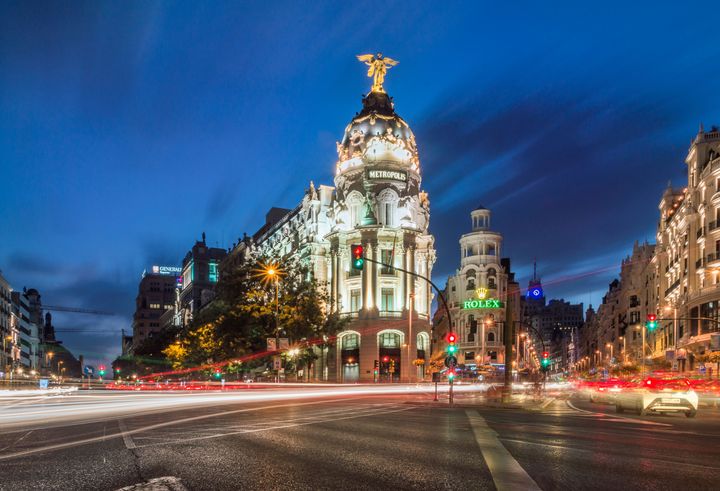
Gran Vía District

Gran Vía is one of Madrid's best-known commercial and entertainment corridors.

Common features include:

  • Shopping areas
  • Theaters
  • Restaurants
  • Modern city atmosphere
  • Transportation accessibility

The district is often associated with Madrid's energetic urban environment.

Salamanca: Upscale Urban Environment

Salamanca is frequently recognized for its elegant streets and refined atmosphere.

Characteristics may include:

  • High-end retail areas
  • Broad avenues
  • Contemporary urban design
  • Residential appeal
  • Dining establishments

Many travelers appreciate the district's quieter environment compared with central tourist zones.

Chamberí: Local Character and Architecture

Chamberí is often described as a neighborhood that balances residential life with cultural experiences.

Common attributes include:

  • Historic architecture
  • Local businesses
  • Traditional streetscapes
  • Community-oriented atmosphere

Visitors seeking a more local perspective sometimes explore this area.

Retiro Area

The district surrounding El Retiro Park is known for its green spaces and relaxed environment.

Popular features include:

  • Park access
  • Outdoor recreation
  • Scenic walking routes
  • Cultural attractions

The area often appeals to travelers interested in balancing urban exploration with open spaces.

7

Malasaña: Creative and Cultural Atmosphere

Malasaña is frequently associated with creativity, contemporary culture, and independent businesses.

Characteristics often include:

  • Cafés
  • Art spaces
  • Boutique shops
  • Youthful atmosphere
  • Cultural activities

The neighborhood remains a popular destination for visitors interested in modern urban culture.

La Latina: Traditional Madrid Experience

La Latina is often recognized for its traditional streets and social atmosphere.

Visitors may encounter:

  • Historic plazas
  • Local dining culture
  • Traditional architecture
  • Community-focused environments

The area is commonly explored during walking tours and cultural visits.

Transportation Considerations

Madrid's transportation system supports movement throughout the city.

Examples include:

  • Metro services
  • Bus networks
  • Commuter rail connections
  • Walking routes
  • Taxi services

Transportation accessibility often influences accommodation decisions.

Accommodation Types in Madrid

Visitors may encounter various accommodation categories.

Examples include:

  • Hotels
  • Boutique properties
  • Serviced apartments
  • Vacation rentals
  • Hostels
  • Extended-stay accommodations

The suitability of each option depends on travel objectives and personal preferences.

Cultural Attractions Across the City

Madrid is home to numerous cultural institutions and attractions.

Examples include:

  • Prado Museum
  • Royal Palace of Madrid
  • Thyssen-Bornemisza Museum
  • Reina Sofía Museum

Accessibility to cultural sites often varies by neighborhood.

Madrid Travel Trends in 2026

Several developments continue influencing travel experiences in Madrid.

Current trends include:

  • Sustainable tourism initiatives
  • Digital travel planning
  • Extended-stay travel
  • Cultural tourism growth
  • Walkable neighborhood exploration
  • Flexible accommodation preferences
  • Local experience-focused travel
  • Urban mobility improvements

These trends reflect broader developments within global tourism and hospitality sectors.

Frequently Asked Questions

Which area is often chosen by first-time visitors?

Many first-time visitors explore central districts because of their proximity to major attractions and transportation options.

Is Madrid easy to navigate?

Madrid is widely recognized for its extensive public transportation network and walkable urban areas.

What type of neighborhood offers a quieter experience?

Some residential districts outside the busiest tourist areas may provide a calmer atmosphere.

Are cultural attractions spread throughout the city?

Yes. Museums, historic sites, parks, and cultural institutions can be found across multiple districts.

Why do neighborhood choices matter?

Neighborhood selection can influence transportation convenience, sightseeing access, local atmosphere, and overall travel experience.

Conclusion

Madrid offers a diverse range of neighborhoods, each contributing unique characteristics to the visitor experience. From the historic streets of the city center to the elegant avenues of Salamanca and the cultural atmosphere of Malasaña, the city provides accommodation environments suited to many travel styles and interests.

Understanding neighborhood characteristics, transportation access, cultural attractions, and local atmospheres can help travelers gain a broader appreciation of Madrid's urban landscape and hospitality offerings.

Disclaimer

This article is intended solely for informational and educational purposes. It does not provide travel, legal, immigration, financial, accommodation, safety, or professional tourism advice. It does not endorse, recommend, compare, rank, review, market, or promote any hotel, rental property, booking platform, tourism service, transportation provider, or travel company. Travelers should consult official tourism authorities, accommodation providers, transportation operators, and relevant government resources when making travel plans or booking arrangements.

author-image

Ravi Shankar Maurya

We create purposeful content that speaks, resonates, and drives action.

June 17, 2026 . 8 min read