Luxury Resorts in Maldives: Guide To Travel, Privacy, and Island Stays
Luxury resorts in the Maldives combine tropical island scenery, private villas, marine activities, and premium accommodation. Understanding resort features, seasonal conditions, travel regulations, and environmental responsibilities helps travelers make informed decisions.
The Maldives is an island nation in the Indian Ocean, southwest of Sri Lanka and India. It consists of numerous coral islands and atolls surrounded by clear lagoons, sandy beaches, and diverse marine ecosystems. Tourism plays an important role in the country's economy, making accommodation and hospitality central to its development.
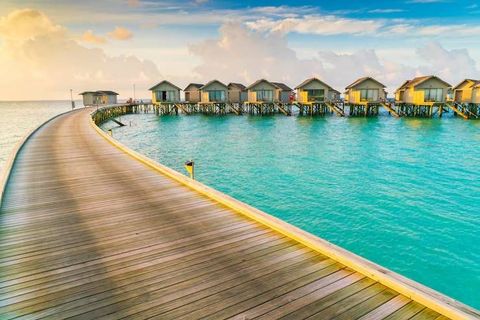
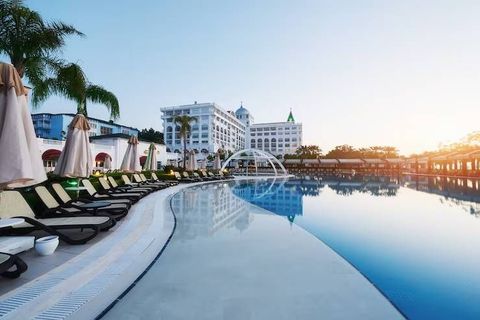
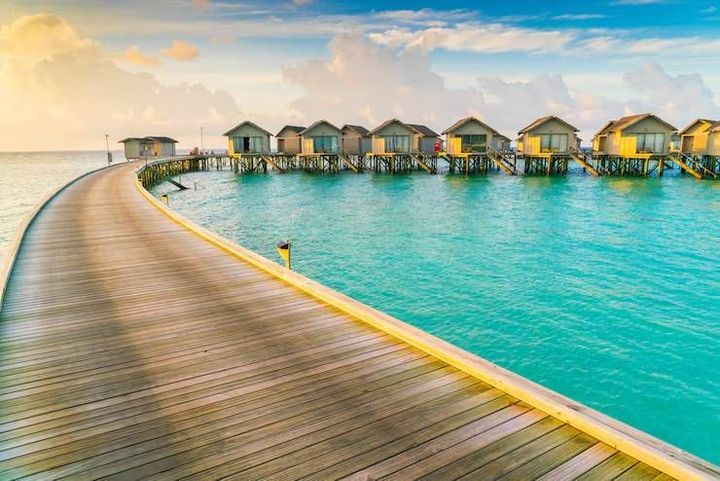
Luxury resorts in the Maldives are generally located on individual islands. Many feature overwater villas, beachfront accommodation, private terraces, swimming pools, restaurants, wellness facilities, and access to water-based activities. However, facilities and accommodation styles vary between properties.
These resorts appeal to couples, families, honeymooners, and travelers seeking privacy, natural scenery, and comfortable surroundings. Their island locations also create practical considerations, including transportation by boat or seaplane, weather conditions, and access to medical or other essential facilities.
Why Luxury Island Accommodation Matters
Luxury island accommodation is relevant to travelers who want to understand how location, privacy, environmental quality, and hospitality facilities influence a holiday. It also helps visitors compare different island environments rather than focusing only on photographs or accommodation descriptions.
Several factors are especially important:
Accommodation type: Beach villas provide direct access to the shore, while overwater villas offer views of lagoons and surrounding marine environments.
Accessibility: Some islands require domestic flights, speedboats, or seaplane transfers from the main international airport.
Seasonal conditions: Rainfall, wind, visibility, and sea conditions can influence outdoor activities.
Family requirements: Travelers may need information about children's facilities, accessible accommodation, and available activities.
Environmental responsibility: Coral reefs, seagrass beds, and marine animals require careful protection.
Understanding these factors helps travelers set realistic expectations, plan transportation, and choose accommodation suited to their needs.
Recent Trends and Developments
During 2025 and 2026, luxury tourism in the Maldives has continued to reflect broader travel preferences, including personalized experiences, wellness activities, marine conservation, and more environmentally conscious accommodation.
Travelers increasingly consider experiences beyond traditional beach holidays, such as guided snorkeling, diving, local cultural activities, spa treatments, and nature-focused excursions. Digital booking tools and online reviews also make it easier to compare room features, transfer arrangements, and visitor experiences.
Sustainability remains an important topic because the Maldives is particularly exposed to sea-level rise, coastal erosion, coral bleaching, and changes in ocean temperatures. Resorts and tourism stakeholders face growing pressure to manage waste, conserve freshwater, reduce unnecessary energy use, and protect surrounding marine habitats.
These are broad industry trends rather than claims that every resort has introduced the same measures. Travelers should check current property information and official travel announcements before departure.
Laws, Regulations, and Travel Policies
Tourism in the Maldives operates within national laws and regulatory frameworks covering immigration, accommodation, environmental protection, and public safety.
International visitors generally need a valid passport and must meet the country's current entry requirements. Eligible tourists have traditionally received a tourist visa on arrival, subject to applicable conditions. Travelers should confirm the latest requirements, permitted stay, and any necessary arrival declarations before traveling.
Other important considerations include:
Environmental protection: Rules may restrict damage to coral reefs, disturbance of marine wildlife, littering, and the removal of protected natural materials.
Marine activities: Diving, boating, and wildlife excursions may be subject to safety requirements and local restrictions.
Local customs: The Maldives is a Muslim-majority country. Visitors should respect local dress expectations and public conduct rules, particularly on inhabited local islands.
Alcohol regulations: Alcohol restrictions differ between resort islands and inhabited local communities. Visitors should follow applicable laws and resort policies.
Booking conditions: Cancellation terms, transfer arrangements, taxes, and additional charges should be reviewed before confirming a reservation.
Regulations can change, so travelers should rely on current official guidance rather than outdated online summaries.
Helpful Tools and Travel Resources
A few practical resources can make planning easier and improve travel preparation.
| Tool or resource | How it helps |
|---|---|
| Travel planning checklist | Organizes documents, clothing, activities, and essential items |
| Weather forecast tool | Helps monitor rainfall, wind, and marine conditions |
| Currency converter | Estimates spending in Maldivian rufiyaa and other currencies |
| Flight and transfer planner | Coordinates international arrivals with island transportation |
| Accommodation comparison template | Compares villa types, facilities, location, and policies |
| Marine safety guidance | Explains snorkeling, diving, and wildlife precautions |
| Official immigration information | Provides current entry requirements and travel declarations |
Before finalizing travel arrangements, check transfer schedules, meal arrangements, accessibility, cancellation conditions, and whether planned activities depend on weather or minimum participation.
Frequently Asked Questions
What is the best time to visit luxury resorts in the Maldives?
The Maldives generally experiences a drier season from around November to April and a wetter southwest monsoon season from around May to October. Conditions vary, and rainfall can occur throughout the year.
Are overwater villas suitable for families?
Some overwater villas accommodate families, but suitability depends on age restrictions, safety barriers, water depth, and property rules. Families should review accommodation policies carefully.
How do travelers reach island resorts?
Depending on the island's location, transfers may involve a speedboat, domestic flight, seaplane, or a combination of transportation methods.
Are luxury resorts environmentally sustainable?
Practices vary. Some properties undertake reef restoration, waste reduction, or energy-efficiency initiatives, but travelers should look for specific, verifiable information before making environmental comparisons.
What should travelers check before reserving a stay?
Review room facilities, transfer arrangements, seasonal conditions, cancellation policies, applicable taxes, meal plans, accessibility, and environmental guidelines.
Conclusion
Luxury resorts in the Maldives offer a distinctive combination of island accommodation, marine scenery, relaxation, and outdoor activities. A well-planned visit involves more than selecting a villa: travelers should consider transportation, seasonal weather, local customs, safety, and environmental protection. By checking current regulations and comparing practical details, visitors can make informed decisions and enjoy the destination responsibly.
Disclaimer
This article provides general educational information, not individualized travel, legal, or environmental advice. Entry requirements, regulations, weather conditions, and accommodation policies may change. Confirm relevant details with official authorities and the selected accommodation before traveling.