Luxury Perfume Guide: Facts, Craftsmanship & What Makes a Fragrance Expensive
Luxury perfume refers to finely crafted fragrances created with high-quality ingredients, artistic blending, and attention to sensory detail. Unlike mass-market scents, these fragrances emphasize unique character, longevity, and an experience that extends beyond simple smell.
Perfume has existed for thousands of years, with early use in ancient Egypt, Mesopotamia, India, and China. Over time, scent evolved from ritual and hygiene into personal expression and cultural status. Modern luxury perfume blends tradition with innovation, connecting chemistry, nature, and artistry.
Perfume is composed of aromatic compounds dissolved in a solvent (usually alcohol). These compounds come from natural sources—flowers, woods, spices—or are synthesized in labs to replicate rare scents. The balance of top, middle (heart), and base notes creates a fragrance’s scent profile and how it unfolds over time on the skin.
Importance of Luxury Perfume Today
Luxury perfume matters in several ways:
-
Cultural Expression: Scent contributes to personal identity and cultural practices. It can evoke memory, mood, and emotional response.
-
Art and Craftsmanship: Creating a balanced fragrance is an art form, integrating olfactory science with creativity.
-
Brand Differentiation: High-end brands use signature blends, rare ingredients, and distinctive bottle design to establish heritage and style.
-
Industry Impact: The premium fragrance market supports growers, perfumers, chemists, packaging designers, and global distribution channels.
This topic affects consumers, students of fragrance science, professionals in fashion and beauty, and anyone interested in sensory design. It helps readers understand what attributes distinguish luxury fragrance and why certain products command attention or reputation.
Understanding Quality: What Makes a Fragrance Perceived as Luxury
Ingredients and Sourcing
Luxury perfumes often use:
-
Natural extracts like jasmine, rose otto, sandalwood, agarwood (oud), ambergris, and rare resins.
-
Synthetics created to mimic or enhance natural smells, offering stability and safety.
High-quality natural ingredients can be extremely expensive to produce. For example, producing one kilogram of rose otto can require thousands of pounds of petals. Such rarity contributes to fragrance depth and uniqueness.
Perfumery Craft and Expertise
Perfume creation is both science and art. Professional perfumers (also called “noses”) often train for years, developing sensitivity to thousands of scent molecules. They compose accords (blend combinations that create an overall olfactory effect) in a way that tells a sensory story from first spray to dry down.
Longevity and Sillage
-
Longevity refers to how long the scent lasts.
-
Sillage describes how a fragrance trails in the air around the wearer.
Luxury perfumes aim for a balanced, pleasant evolution on the skin rather than an overwhelming or fleeting impression.
Packaging and Presentation
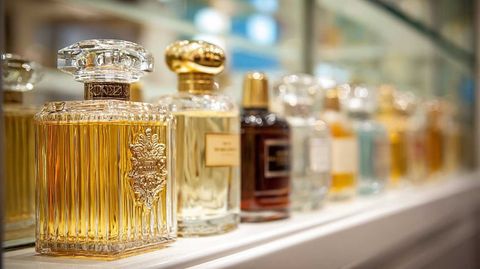
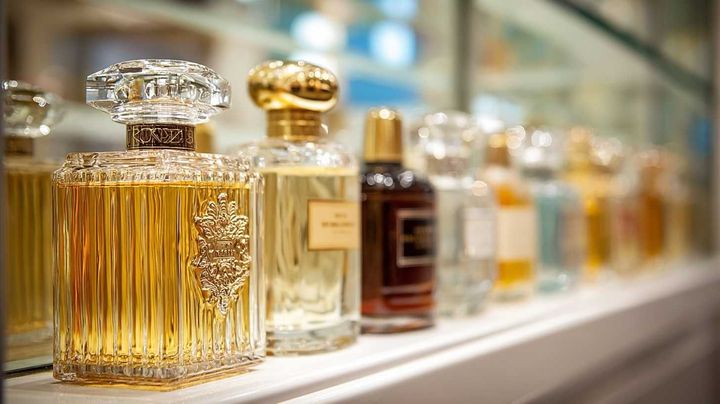
High-end perfume bottles and packaging often reflect craftsmanship—unique glass design, quality closures, elegant boxes. While packaging doesn’t affect scent, it contributes to the overall experience and brand narrative.
Trends and Changes in Luxury Perfume (Recent Updates)
Fragrance trends evolve with cultural shifts, sustainability awareness, and innovations in scent technology. Recent developments include:
Sustainability and Ethical Sourcing (2024–2025)
Growing interest in environmentally responsible practices has influenced ingredient sourcing and packaging. Some brands are increasing transparency about supply chains for botanicals like sandalwood and vetiver. Consumers are paying more attention to ethical cultivation and fair trade practices.
Niche and Independent Perfumery Growth
Smaller, independent houses continue gaining visibility, challenging traditional luxury brands by offering unique scent profiles and storytelling. This reflects broader trends in personalization and craft.
Inclusive and Gender-Neutral Scents (2025)
The category of unisex or gender-neutral fragrances has expanded. Many new releases avoid traditional “masculine” or “feminine” labels, focusing instead on scent character.
Regulatory and Ingredient Innovation
Advances in synthetic biology and green chemistry have enabled new aroma molecules that are more sustainable and hypoallergenic. These developments impact formulation and sometimes replace less sustainable natural ingredients.
Relevant Rules, Regulations, and Standards
Luxury perfume is affected by international and national regulations to ensure safety and consumer protection. Important frameworks include:
International Fragrance Association (IFRA)
IFRA sets global safety standards for fragrance ingredients. Manufacturers must comply with IFRA guidelines when formulating products, restricting or banning substances linked to health risks (e.g., certain allergens) at specified concentrations.
Cosmetic Regulations in Key Markets
-
European Union: The EU Cosmetics Regulation (EC) No 1223/2009 governs perfume safety, labeling, and permissible ingredients. It requires safety assessments and adherence to banned/restricted lists.
-
United States: The FDA oversees cosmetics (including fragrances) but does not approve products before market release. Instead, manufacturers are responsible for ensuring safety and accurate labeling.
-
India: The Bureau of Indian Standards (BIS) and Drugs & Cosmetics Act regulate certain aspects of cosmetics and fragrances, including labeling and permissible chemicals.
Labeling and Claims
Perfume products must avoid misleading claims about therapeutic effects, health benefits, or endurance beyond factual performance. Regulatory authorities may require clear ingredient lists for allergen disclosure in some regions.
Tools and Resources for Exploring Perfume
Helpful tools and platforms for learning about luxury fragrance include:
Fragrance Databases and Apps
-
Fragrantica: User-generated database of perfume reviews, notes, and brands.
-
Basenotes: Scent archives and community discussions about niche fragrances.
-
Parfumo: International fragrance community with ratings and note breakdowns.
Olfactory Training Tools
-
Scent kits: Sets of aroma samples used to train the nose on common fragrance families (citrus, floral, woody, etc.).
-
Educational books: Titles like Perfumes: The A-Z Guide and Essence and Alchemy explain scent theory and history.
Industry Organizations
-
IFRA (International Fragrance Association): Safety standards and guides about ingredients and compliance.
-
Society of Cosmetic Chemists: Professional body offering resources on formulation and regulation.
Workshops and Courses
Many institutes and online platforms offer courses in perfumery basics, scent classification, and formulation techniques. These can help beginners understand fragrance structures and professional paths.
Understanding Fragrance Families and Notes
| Fragrance Family | Typical Characteristics | Common Notes |
|---|---|---|
| Citrus | Fresh, crisp, uplifting | Bergamot, lemon, mandarin |
| Floral | Romantic, soft or bold | Rose, jasmine, lily |
| Oriental | Warm, spicy, sensual | Vanilla, amber, spices |
| Woody | Earthy, rich, grounded | Sandalwood, cedar, vetiver |
| Aromatic | Herbal, fresh | Lavender, sage, rosemary |
This table helps in recognizing broad scent categories and common notes used in luxury compositions.
Common Questions About Luxury Perfume
What distinguishes luxury fragrance from regular perfume?
Luxury perfume typically emphasizes higher quality ingredients, complex scent structure, artistic intent, and often a more refined lasting character. Not all expensive scents are “luxury” by craft standards, but the two often overlap due to sourcing and formulation choices.
Are natural ingredients always better than synthetics?
Not necessarily. Natural ingredients can offer complexity and depth, but they may also vary by harvest and be unstable. Modern synthetics can replicate rare smells sustainably and with consistency. Many luxury fragrances use a blend of natural and synthetic components to achieve the desired profile.
How should perfume be applied for best effect?
Apply to pulse points (wrists, neck, behind ears) where body heat helps diffuse scent. Light application is often preferable; layering can be adjusted based on personal preference and environment.
Why do some fragrances smell different on different people?
Body chemistry—skin pH, oils, and even diet—affects how a scent unfolds. A fragrance may smell distinct on different individuals even though the same perfume is used.
How long does a luxury perfume last on skin?
Longevity varies by concentration (parfum, eau de parfum, etc.) and individual skin chemistry. Higher concentration formulas tend to last longer, but weather, humidity, and activity level also influence duration.
Wrapping Up: The Essence of Luxury Perfume
Luxury perfume blends tradition, science, and sensory art. It offers more than scent; it provides an experience shaped by history, craftsmanship, and personal expression. Understanding what luxury fragrance entails—its ingredients, creation, trends, rules, and tools—can help anyone appreciate the depth behind a bottle. While preferences differ widely, learning about perfume structure and context enriches how we engage with smell, memory, and style.
If you’re curious to explore further, start with fragrance communities, educational tools, and scent training exercises to build your own olfactory vocabulary and appreciation.