Luxury Handbags Guide: Explore Basics, Tips, Insights, and Buying Advice for Beginners
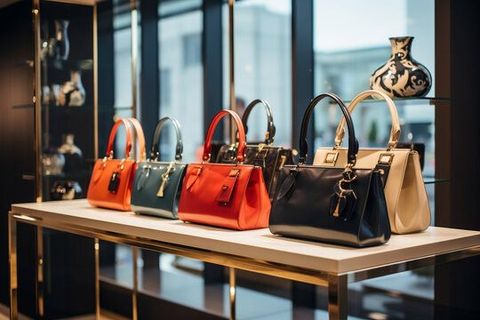
Luxury handbags are high-end fashion accessories crafted with premium materials, refined craftsmanship, and strong brand heritage. They are often associated with fashion houses known for quality standards, design innovation, and exclusivity. Unlike mass-produced accessories, luxury handbags emphasize durability, aesthetics, and attention to detail.
These handbags exist because of a combination of cultural demand, artistic expression, and the evolution of fashion as a form of identity. Over time, they have transitioned from purely functional items into symbols of style, craftsmanship, and personal taste.
Common characteristics include:
- Premium materials such as full-grain leather, suede, or exotic skins
- Handcrafted production techniques
- Limited production runs or seasonal collections
- Strong brand recognition and heritage value
Luxury handbags are also discussed in contexts such as premium fashion accessories market trends, designer handbag authentication methods, and high-end leather goods craftsmanship insights, which are frequently searched informational topics.
Importance – Why Luxury Handbags Matter Today
Luxury handbags are relevant today for multiple reasons beyond aesthetics. They intersect with fashion, sustainability, craftsmanship, and even financial awareness.
They matter because:
- They represent long-term craftsmanship and durability compared to fast fashion
- They influence global fashion trends and consumer preferences
- They contribute to discussions around sustainability and ethical sourcing
- They often retain cultural and historical value over time
The topic affects:
- Fashion enthusiasts seeking knowledge about premium accessories
- Beginners exploring designer handbag quality comparison insights
- Individuals interested in luxury goods market analysis
Problems this topic helps address include:
- Understanding how to identify authentic craftsmanship
- Learning how materials affect durability and maintenance
- Navigating misinformation around branding and quality
Here is a simple comparison table highlighting key differences between standard and luxury handbags:
| Feature | Standard Handbags | Luxury Handbags |
|---|---|---|
| Material Quality | Synthetic or mixed | Premium leather or rare materials |
| Craftsmanship | Machine-made | Handcrafted or semi-handmade |
| Durability | Moderate | High durability |
| Brand Influence | Limited | Strong global recognition |
| Design Longevity | Trend-based | Timeless or iconic styles |
Recent Updates – Trends and Developments
In the past year (2025–2026), the luxury handbag space has seen notable shifts influenced by technology, sustainability, and consumer awareness.
Key updates include:
- Sustainable Materials (2025): Many fashion houses have increased the use of eco-friendly leather alternatives and traceable supply chains
- Digital Authentication Growth (Late 2025): AI-based authentication tools have gained popularity for verifying product authenticity
- Resale Market Expansion (2025–2026): The global luxury resale ecosystem has grown significantly, driven by demand for circular fashion
- Minimalist Design Trends (2026): Neutral tones and timeless silhouettes are becoming more dominant than logo-heavy designs
Below is a simple trend visualization:
Luxury Handbag Trends Growth (2025–2026)

Sustainability        ██████████
Digital Authentication ████████
Resale Awareness       █████████
Minimalist Design      ███████
These trends reflect broader interests in luxury fashion sustainability insights, designer resale market growth analysis, and AI authentication technology in fashion.
Laws or Policies – Regulatory and Compliance Aspects
Luxury handbags are influenced by various international and regional regulations, especially in areas like materials, trade, and intellectual property.
Important regulatory areas include:
- Material Regulations: Restrictions on exotic skins are governed by global agreements like wildlife protection conventions
- Trademark Protection: Brands rely on intellectual property laws to prevent counterfeiting
- Import and Export Rules: Cross-border trade is subject to customs regulations and duties
- Sustainability Compliance: Increasing focus on environmental standards and ethical sourcing
These rules help:
- Protect consumers from counterfeit goods
- Ensure ethical sourcing of materials
- Maintain fair trade practices
Understanding these policies is relevant for those researching luxury goods compliance regulations, fashion industry intellectual property laws, and ethical sourcing guidelines in leather goods.
Tools and Resources – Helpful Platforms and Utilities
Several tools and platforms can assist beginners in learning more about luxury handbags in an educational context.
Useful resources include:
- Authentication platforms that use AI and expert verification
- Fashion research websites providing brand history and craftsmanship details
- Material guides explaining leather types and durability factors
- Digital wardrobe apps for organizing and tracking accessories
- Online forums and communities discussing designer handbag authenticity tips
Examples of helpful categories:
| Tool Type | Purpose |
|---|---|
| Authentication Tools | Verify originality and craftsmanship |
| Fashion Databases | Explore brand history and collections |
| Material Guides | Understand leather types and care methods |
| Trend Analytics Platforms | Track fashion industry developments |
| Community Forums | Share insights and experiences |
These tools align with high-interest topics like luxury handbag authentication guide, premium leather quality analysis tools, and fashion trend forecasting platforms.
FAQs – Common Questions Answered
What defines a luxury handbag?
A luxury handbag is defined by its material quality, craftsmanship, brand heritage, and design longevity. It is typically produced with high standards and attention to detail.
How can beginners understand handbag materials?
Start by learning about common materials like full-grain leather, top-grain leather, and suede. Each has different durability and texture characteristics.
Why is authentication important?
Authentication ensures that a handbag meets the expected standards of craftsmanship and origin. It also helps prevent counterfeit-related issues.
Are luxury handbags sustainable?
Sustainability varies by brand. Many companies are adopting eco-friendly materials and ethical sourcing practices, especially since 2025.
What trends are shaping the luxury handbag market?
Current trends include minimalist designs, digital authentication tools, and increased focus on sustainability and circular fashion.
Conclusion
Luxury handbags represent a blend of craftsmanship, design, and cultural significance. For beginners, understanding the basics—such as materials, construction, and authenticity—can provide a strong foundation for further exploration.
Recent trends highlight a shift toward sustainability, technology integration, and long-term value awareness. At the same time, regulations ensure ethical practices and consumer protection within the industry.
By using reliable tools and focusing on educational insights like designer handbag quality analysis, luxury fashion market trends, and authentication techniques, individuals can build a well-informed perspective on this evolving topic.
This guide aims to provide clear, neutral, and structured information to help readers navigate the subject with confidence and awareness.