Luxury Handbags: Complete Guide, Tips, Insights, and Expert Advice for Smart Buying
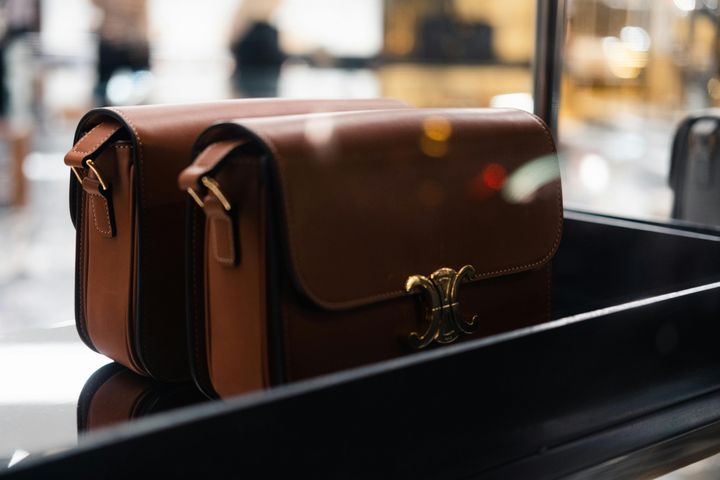
Luxury handbags are high-quality accessories crafted using premium materials such as leather, suede, or exotic skins. They are typically associated with established fashion houses known for craftsmanship, heritage, and design innovation. These handbags often feature precise stitching, durable hardware, and thoughtful detailing that distinguish them from mass-produced alternatives.
The concept of luxury handbags exists because of a demand for durable, aesthetically refined, and status-associated accessories. Historically, handbags evolved from simple utility pouches into fashion statements that reflect personal style, cultural identity, and social trends. Today, they serve both functional and symbolic roles, blending practicality with design excellence.
In addition to aesthetics, luxury handbags often emphasize longevity. Many are designed to last for years when properly maintained, which contributes to their continued relevance in the global fashion industry.
Why Luxury Handbags Matter in Today’s Market
Luxury handbags play a significant role in the modern fashion ecosystem, influencing consumer behavior, sustainability discussions, and global trade patterns. Their importance extends beyond fashion into economic and cultural domains.
They matter today because they:
- Represent long-term value retention, especially for iconic designs
- Encourage craftsmanship preservation, supporting skilled artisans
- Reflect consumer awareness, including interest in materials and sourcing
- Contribute to the global luxury goods market, a multi-billion-dollar industry
Luxury handbags also address practical concerns such as durability and organization. Many designs incorporate compartments, secure closures, and ergonomic features that improve usability.
From a broader perspective, they intersect with sustainability challenges. Consumers increasingly evaluate production practices, ethical sourcing, and environmental impact. This has led to a shift toward responsible manufacturing and transparency in supply chains.
Recent Trends and Updates in the Luxury Handbag Industry
Over the past year (2025–2026), several notable developments have shaped the luxury handbag landscape. These changes reflect evolving consumer preferences and technological advancements.
Key trends include:
- Sustainable Materials Expansion (2025): Brands are adopting plant-based leather alternatives and recycled fabrics to reduce environmental impact.
- Digital Authentication Growth (2025–2026): Blockchain-based tracking systems are being introduced to verify product authenticity and ownership history.
- Quiet Luxury Movement (2025): Minimalist designs with subtle branding have gained popularity, emphasizing craftsmanship over logos.
- Resale Market Growth (2026): Increased interest in pre-owned luxury goods has influenced how consumers view long-term value and circular fashion.
- Smart Features Integration (2026): Some handbags now include tracking chips or connectivity features for security and convenience.
Below is a simplified overview of recent trends:
| Trend | Key Focus Area | Impact on Consumers |
|---|---|---|
| Sustainable Materials | Eco-friendly production | Increased awareness |
| Digital Authentication | Security & verification | Reduced counterfeit risk |
| Quiet Luxury | Minimalist aesthetics | Shift in design preference |
| Resale Expansion | Circular economy | Extended product lifecycle |
| Smart Features | Technology integration | Enhanced usability |
These updates indicate that the industry is evolving toward transparency, sustainability, and innovation.
Regulations and Policies Affecting Luxury Handbags
Luxury handbags are influenced by various international and national regulations, particularly in areas such as trade, materials, and intellectual property.
Some important regulatory aspects include:
- Import and Export Duties: Governments impose tariffs on luxury goods, affecting international distribution and pricing structures.
- Wildlife Protection Laws: Materials such as exotic leather are regulated under frameworks like the Convention on International Trade in Endangered Species (CITES).
- Trademark and Anti-Counterfeiting Laws: Authorities enforce strict penalties to protect brand identity and reduce counterfeit goods in the market.
- Sustainability Regulations: Countries are introducing environmental standards for production processes and waste management.
In countries like India, policies related to goods and services tax (GST) also influence the classification and taxation of luxury items. Additionally, consumer protection laws ensure accurate labeling and product authenticity disclosures.
These regulations aim to balance economic activity with ethical practices and consumer safety.
Tools and Resources for Understanding Luxury Handbags
Several digital tools and resources can help individuals better understand luxury handbags, from authentication to maintenance and market analysis.
Helpful resources include:
-
Authentication Platforms:
- AI-based verification tools that analyze stitching, logos, and materials
-
Material Identification Guides:
- Online databases explaining leather types and fabric quality
-
Fashion Trend Reports:
- Industry publications offering insights into seasonal trends
-
Care and Maintenance Apps:
- Digital reminders for cleaning, storage, and conditioning
-
Resale Value Calculators:
- Tools estimating long-term value based on brand and condition
Example comparison of common materials:
| Material Type | Durability | Maintenance Level | Common Use Case |
|---|---|---|---|
| Full-Grain Leather | High | Moderate | Classic handbags |
| Suede | Medium | High | Fashion-focused styles |
| Vegan Leather | Medium | Low | Eco-conscious designs |
| Canvas | High | Low | Casual handbags |
Using these resources can improve decision-making and enhance product longevity.
Frequently Asked Questions About Luxury Handbags
What defines a luxury handbag?
A luxury handbag is typically defined by high-quality materials, expert craftsmanship, and association with established fashion brands. It often includes durable construction and refined design elements.
How can authenticity be verified?
Authenticity can be checked through serial numbers, stitching quality, logo alignment, and digital authentication tools. Professional verification services are also widely used.
Are luxury handbags durable?
Yes, many are designed for long-term use. Durability depends on material quality and proper care, such as storage and cleaning practices.
What are common materials used?
Common materials include full-grain leather, top-grain leather, suede, canvas, and synthetic alternatives. Each has unique characteristics in terms of durability and maintenance.
How should luxury handbags be maintained?
Maintenance involves storing them in dust bags, avoiding moisture exposure, cleaning with appropriate products, and conditioning leather periodically.
Conclusion
Luxury handbags represent a blend of craftsmanship, functionality, and cultural significance. They have evolved from simple accessories into complex products influenced by global trends, technological innovation, and regulatory frameworks.
Understanding their materials, design principles, and market dynamics helps individuals make informed decisions while appreciating the artistry behind each piece. Recent developments, including sustainability initiatives and digital authentication, highlight a shift toward transparency and responsible production.
By using reliable tools, staying informed about regulations, and following proper care practices, individuals can better navigate the luxury handbag landscape. This balanced approach supports both practical use and long-term appreciation of these accessories.