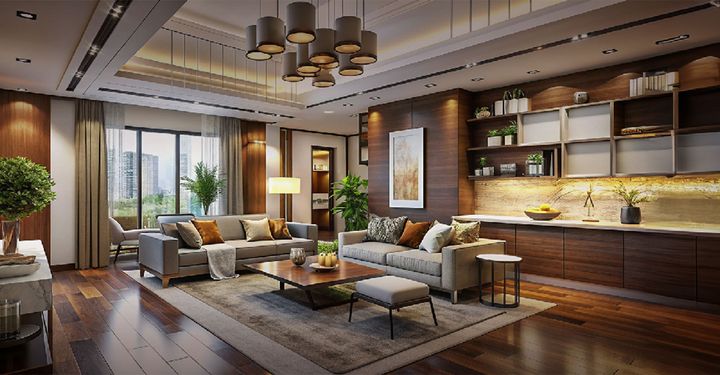
Luxury Apartments vs Penthouses: Learn Overview, Details, Explanation, Facts, and Resources
Luxury residential real estate has evolved significantly over the past decade. Modern urban developments now include a wide range of premium housing options designed for comfort, convenience, and enhanced living experiences. Among the most discussed property categories are luxury apartments and penthouses.
Although these terms are often used interchangeably, they represent different types of residential properties. Understanding their distinctions can help readers better evaluate residential real estate trends, property management practices, smart home technology integration, and high-end housing developments.
This guide explains luxury apartments and penthouses, their importance in today's housing market, recent industry developments, regulatory considerations, useful resources, and frequently asked questions.
Understanding Luxury Apartments and Penthouses
Luxury apartments are residential units located within upscale apartment communities or residential towers. They typically feature premium amenities, modern architecture, advanced security systems, and convenient access to urban centers.
Common characteristics include:
- High-quality construction materials
- Fitness centers and wellness facilities
- Concierge services
- Smart home automation systems
- Private parking facilities
- Enhanced security monitoring
- Energy-efficient building technologies
Penthouses, on the other hand, are usually located on the highest floor of a residential building. They often occupy larger floor plans and may include exclusive architectural features.
Common penthouse characteristics include:
- Top-floor positioning
- Expanded interior space
- Private terraces or rooftop access
- Panoramic city or landscape views
- Custom interior finishes
- Increased privacy
- Premium smart building integration
Comparison Overview
| Feature | Luxury Apartment | Penthouse |
|---|---|---|
| Location Within Building | Various floors | Usually top floor |
| Privacy Level | High | Very high |
| Outdoor Space | Limited or shared | Often includes private terraces |
| Views | Building dependent | Typically panoramic |
| Floor Area | Varies | Generally larger |
| Exclusivity | Premium | More exclusive |
| Architectural Customization | Standard luxury design | Often customized |
Why Luxury Apartments and Penthouses Matter Today
The demand for premium housing continues to grow as urban populations expand and residential expectations evolve. Modern residents increasingly prioritize convenience, sustainability, digital connectivity, and lifestyle-oriented amenities.
Several factors contribute to the growing importance of luxury residential developments:
- Increasing urbanization
- Greater adoption of smart home systems
- Rising interest in sustainable construction
- Demand for secure residential environments
- Growth of mixed-use developments
- Expansion of luxury property investment sectors
Luxury apartments appeal to individuals seeking access to premium amenities within professionally managed communities. Penthouses attract those prioritizing privacy, expansive living spaces, and elevated views.
Problems These Properties Help Address
Modern luxury housing developments often address several residential challenges.
Space Optimization
Many contemporary luxury apartment buildings utilize advanced architectural planning to maximize usable living space while maintaining comfort and functionality.
Security Concerns
Premium developments frequently incorporate:
- Controlled access systems
- Digital entry management
- Surveillance technology
- On-site security personnel
Lifestyle Integration
Luxury residential communities often combine residential, recreational, and wellness facilities within a single environment.
Sustainability Goals
Many new developments incorporate:
- Green building certifications
- Energy-efficient lighting
- Water conservation systems
- Renewable energy technologies
- Smart energy management platforms
Property Features Comparison
The following chart illustrates common differences between luxury apartments and penthouses.
| Feature Category | Luxury Apartment | Penthouse |
| Smart Home Technology | Extensive | Extensive |
| Private Outdoor Areas | Moderate | Significant |
| Community Amenities | Extensive | Extensive |
| Exclusive Access Areas | Limited | Often available |
| View Quality | Good to Excellent | Excellent |
| Architectural Uniqueness | Moderate | High |
| Noise Isolation | High | Very High |
Recent Updates and Market Trends (2025–2026)
The luxury residential real estate sector experienced several notable developments during 2025 and early 2026.
Growth of Smart Buildings
Recent residential construction projects increasingly integrate:
- AI-powered climate controls
- Smart security ecosystems
- Remote property management systems
- Energy monitoring dashboards
Smart property technology remains one of the fastest-growing segments within luxury real estate.
Sustainability Initiatives
Throughout 2025, many developers expanded the use of:
- Solar energy systems
- Low-emission construction materials
- Green roofs
- Advanced insulation technologies
Environmental performance certifications continue to influence high-end residential development decisions.
Wellness-Focused Amenities
A major trend observed during 2025 and 2026 involves wellness-centered building design.
Examples include:
- Meditation spaces
- Indoor wellness lounges
- Air quality monitoring systems
- Fitness technology integration
- Outdoor recreation areas
Hybrid Work Influences
The continued adoption of remote and hybrid work arrangements has increased demand for:
- Home office layouts
- Flexible living spaces
- High-speed internet infrastructure
- Sound-insulated work environments
Digital Property Management
Property management software platforms have become increasingly common, helping residents access services through mobile applications and centralized digital portals.
Luxury Housing Trend Visualization
| Trend | Growth Influence |
| Smart Home Integration | Very High |
| Sustainable Buildings | High |
| Wellness Amenities | High |
| Digital Property Management | High |
| Flexible Workspaces | Moderate to High |
| Energy Monitoring Systems | Growing |
Laws, Regulations, and Policy Considerations
Luxury apartments and penthouses are subject to the same foundational real estate and housing regulations that govern residential developments.
Regulatory frameworks generally focus on:
Building Safety Standards
Residential developments must comply with:
- Structural engineering requirements
- Fire safety regulations
- Emergency evacuation standards
- Accessibility requirements
Environmental Regulations
Many jurisdictions now require:
- Energy efficiency compliance
- Environmental impact assessments
- Sustainable construction standards
- Water management protocols
Property Ownership Regulations
Residential property ownership may be influenced by:
- Zoning laws
- Land-use regulations
- Condominium association rules
- Occupancy requirements
Smart Building Compliance
As smart home technology expands, developers must increasingly consider:
- Data privacy protections
- Cybersecurity standards
- Digital infrastructure regulations
Housing and Development Programs
Government agencies in many regions continue supporting:
- Urban redevelopment initiatives
- Sustainable housing programs
- Energy-efficient construction incentives
- Smart city infrastructure projects
These policies often influence how luxury residential projects are planned and operated.
Helpful Tools and Resources
Numerous digital resources help individuals understand luxury housing markets and residential property trends.
Property Research Platforms
Useful for:
- Market analysis
- Neighborhood comparisons
- Residential development research
- Property valuation insights
Mortgage Calculators
Helpful for evaluating:
- Monthly payment estimates
- Financing scenarios
- Interest rate comparisons
- Long-term affordability planning
Property Management Software
Common functions include:
- Resident communication
- Maintenance tracking
- Digital access management
- Community service requests
Smart Home Platforms
Useful technologies include:
- Energy monitoring systems
- Home automation dashboards
- Security management tools
- Climate control applications
Sustainability Assessment Resources
These resources help evaluate:
- Building efficiency ratings
- Environmental certifications
- Energy performance metrics
- Carbon reduction initiatives
Frequently Asked Questions
What is the primary difference between a luxury apartment and a penthouse?
A luxury apartment can be located on any floor within a premium residential building, while a penthouse is typically situated on the top floor and often offers greater privacy, larger living spaces, and panoramic views.
Are all penthouses considered luxury properties?
Most penthouses are categorized as luxury residential properties due to their location, size, exclusivity, and premium features. However, classifications may vary by market and development type.
Do luxury apartments include smart home technology?
Many modern luxury apartments incorporate smart home systems such as digital access controls, automated lighting, climate management, and connected security technologies.
Why are penthouses often viewed as more exclusive?
Penthouses generally occupy unique top-floor locations and are produced in limited numbers within residential developments, making them less common than standard luxury apartments.
How do sustainability trends affect luxury housing?
Sustainability initiatives increasingly influence luxury residential developments through energy-efficient systems, green building certifications, water conservation technologies, and environmentally responsible construction practices.
Conclusion
Luxury apartments and penthouses represent two important segments of modern residential real estate. While both offer premium living experiences, they differ in location, privacy, exclusivity, architectural design, and outdoor space availability.
Current trends such as smart building technology, sustainability initiatives, wellness-focused amenities, and digital property management continue shaping the future of luxury housing. Regulatory frameworks surrounding safety, environmental performance, and residential development further influence how these properties are designed and maintained.
Understanding the distinctions between luxury apartments and penthouses helps readers better navigate residential real estate concepts, property market trends, and modern housing innovations. As urban development continues to evolve, both property types are likely to remain significant components of premium residential communities worldwide.