Table of Contents

Luxury Antique Furniture: Traditional Craftsmanship and Interior Design Inspiration

Luxury Antique Furniture: Traditional Craftsmanship and Interior Design Inspiration

Luxury antique furniture represents a blend of history, craftsmanship, artistic expression, and timeless design. Whether displayed in heritage homes, luxury residences, boutique hotels, museums, or contemporary interiors, antique furniture continues to inspire homeowners, designers, collectors, and architecture enthusiasts through its distinctive character and enduring appeal.

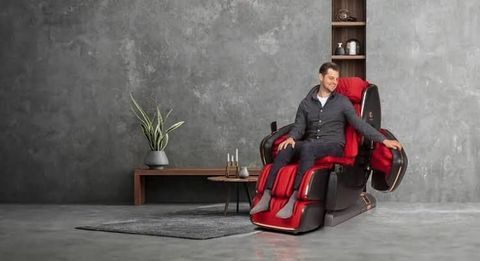
Unlike mass-produced furnishings, antique furniture often reflects traditional woodworking techniques, hand-carved details, premium natural materials, and decorative artistry that has been preserved across generations. Many historic pieces also showcase the cultural influences and design philosophies of their respective periods.

This guide explores luxury antique furniture, traditional craftsmanship, furniture styles, premium materials, restoration concepts, and interior design inspiration from an educational perspective. It does not provide valuation, authentication, legal, financial, investment, restoration, or professional appraisal advice.

Understanding Luxury Antique Furniture

Antique furniture generally refers to older furniture pieces recognized for their historical significance, craftsmanship, artistic value, or cultural heritage.

Common characteristics may include:

  • Handcrafted construction
  • Traditional joinery
  • Intricate carvings
  • Premium natural materials
  • Decorative detailing
  • Timeless design

The definition of "antique" may vary depending on regional standards, historical context, and professional classification.

The History of Antique Furniture

Furniture design has evolved through centuries of craftsmanship and cultural influences.

Historical developments often reflect:

  • Traditional woodworking
  • Regional artistic styles
  • Decorative craftsmanship
  • Architectural influences
  • Functional innovation

Many antique pieces serve as examples of historical design traditions.

Traditional Craftsmanship

Craftsmanship remains one of the defining qualities of luxury antique furniture.

Common handcrafted techniques may include:

  • Hand carving
  • Wood joinery
  • Inlay work
  • Veneering
  • Decorative finishing
  • Manual polishing

These techniques often require specialized knowledge and skilled artisanship.

Premium Wood Materials

Material selection has historically played an important role in furniture making.

Common woods may include:

  • Oak
  • Walnut
  • Mahogany
  • Teak
  • Rosewood
  • Cherry

The appearance, durability, and grain patterns differ among wood species.

Decorative Carving Techniques

Hand-carved ornamentation is often associated with antique furniture.

Decorative elements may include:

  • Floral motifs
  • Geometric patterns
  • Scrollwork
  • Classical ornamentation
  • Nature-inspired details

Carvings contribute to the artistic identity of individual pieces.

Traditional Joinery Methods

Many antique furniture pieces were assembled using woodworking joints rather than modern fasteners.

Examples may include:

  • Mortise-and-tenon joints
  • Dovetail joints
  • Tongue-and-groove construction
  • Wooden dowels

These techniques often demonstrate the precision of traditional craftsmanship.

Common Types of Antique Furniture

Luxury antique collections may include a wide variety of furnishings.

Examples include:

Dining Tables

Often characterized by handcrafted woodwork and decorative detailing.

Cabinets

Designed for storage while showcasing artistic craftsmanship.

Writing Desks

Historic desks frequently feature carved details, drawers, and elegant proportions.

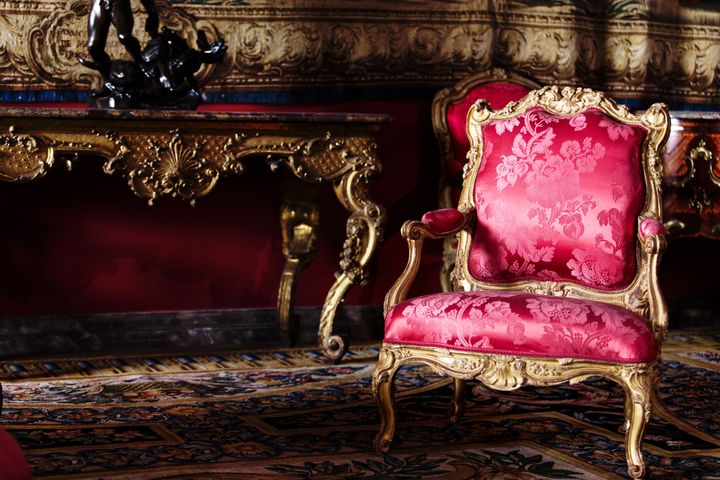
Armchairs

Traditional seating often combines comfort with decorative design.

Display Cabinets

Used to showcase artwork, collectibles, books, or decorative objects.

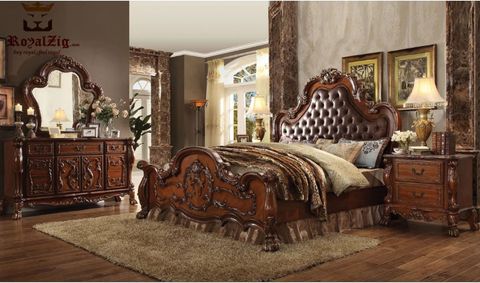
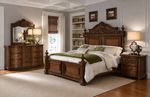
Bedroom Furniture

Beds, wardrobes, dressers, and bedside tables often reflect period-specific styles.

Upholstery and Decorative Fabrics

Some antique furniture incorporates luxurious upholstery materials.

Examples may include:

  • Velvet
  • Linen
  • Silk
  • Leather
  • Embroidered textiles

Fabric selection contributes to both appearance and comfort.

Surface Finishes

Traditional finishing methods enhance the visual appeal of wooden furniture.

Common approaches may include:

  • Hand polishing
  • Wax finishes
  • Natural oil treatments
  • Lacquer applications

Finishes may influence both protection and aesthetic character.

Interior Design Inspiration

Luxury antique furniture can complement a variety of interior styles.

Design concepts may include:

  • Classic interiors
  • Heritage-inspired spaces
  • Transitional designs
  • Contemporary homes with vintage accents
  • Boutique hospitality environments

Blending antique and modern elements has become increasingly popular.

Antique Furniture in Modern Homes

Many designers incorporate antique pieces into contemporary interiors.

Potential benefits may include:

  • Visual contrast
  • Timeless elegance
  • Unique character
  • Historical interest
  • Personalized design

Interior preferences vary according to lifestyle and architectural style.

Furniture Restoration Concepts

Historic furniture may undergo restoration or conservation to preserve its condition.

Common areas of attention may include:

  • Surface refinishing
  • Structural stabilization
  • Upholstery replacement
  • Hardware preservation
  • Wood repair

Restoration methods should be appropriate for the specific furniture piece and may require professional expertise.

Caring for Antique Furniture

Proper care can help maintain the appearance and longevity of antique furnishings.

General considerations may include:

  • Keeping surfaces clean
  • Avoiding excessive moisture
  • Protecting from prolonged direct sunlight
  • Using appropriate cleaning materials
  • Maintaining stable indoor conditions

Specific care methods depend on the furniture's materials, finish, and condition.

Sustainability and Antique Furniture

Reusing and preserving existing furniture aligns with broader sustainability principles.

Potential environmental benefits may include:

  • Extended product lifespan
  • Reduced material consumption
  • Conservation of traditional craftsmanship
  • Support for circular design concepts

Preservation encourages appreciation of historic craftsmanship while reducing the demand for new resource-intensive products.

Trends in Luxury Antique Furniture for 2026

Several developments continue influencing the appreciation and use of antique furnishings.

Current trends include:

  • Heritage-inspired interiors
  • Blending antique and contemporary décor
  • Sustainable furniture choices
  • Artisan craftsmanship appreciation
  • Restoration and conservation awareness
  • Boutique hospitality design
  • Curated statement furniture pieces
  • Timeless luxury aesthetics

These trends reflect a growing interest in craftsmanship, authenticity, and long-lasting design.

Frequently Asked Questions

What is considered antique furniture?

Antique furniture generally refers to historically significant furniture recognized for its age, craftsmanship, design, or cultural value.

Why is craftsmanship important?

Traditional craftsmanship often reflects skilled woodworking techniques, attention to detail, and long-lasting construction.

What materials are commonly used?

Premium hardwoods such as oak, walnut, mahogany, teak, rosewood, and cherry have historically been popular choices.

Can antique furniture be used in modern interiors?

Yes. Many contemporary interiors successfully combine antique furniture with modern architecture and décor.

How should antique furniture be maintained?

Maintenance depends on the material and finish, but generally includes careful cleaning, environmental protection, and appropriate preservation practices.

Conclusion

Luxury antique furniture represents the enduring legacy of traditional craftsmanship, artistic expression, and timeless design. Through premium materials, handcrafted construction, decorative detailing, and historical significance, antique furnishings continue to inspire interior designers, homeowners, and collectors around the world.

As appreciation for heritage design, sustainability, and artisan craftsmanship continues to grow, antique furniture remains an important element of sophisticated interior spaces, offering beauty, character, and a tangible connection to the past.

Disclaimer

This article is intended solely for informational and educational purposes. It does not provide legal, financial, investment, appraisal, restoration, authentication, conservation, or professional interior design advice. It does not endorse, recommend, compare, rank, review, market, or promote any furniture maker, antique dealer, auction house, retailer, or restoration service. Furniture age, authenticity, condition, value, historical significance, and restoration requirements vary widely. Readers should consult qualified professionals before making purchasing, restoration, valuation, or conservation decisions.

author-image

Ravi Shankar Maurya

We create purposeful content that speaks, resonates, and drives action.

June 30, 2026 . 9 min read