Jump to a Chapter

Liquid Packaging Machines Explained: Explore Guide, Basics, Insights, Knowledge, Facts, and Helpful Resources

Liquid Packaging Machines Explained: Explore Guide, Basics, Insights, Knowledge, Facts, and Helpful Resources

Liquid packaging machines are industrial systems designed to fill, seal, label, and prepare liquid products for distribution and storage. These machines are commonly used in industries such as food processing, beverages, pharmaceuticals, chemicals, cosmetics, and personal care manufacturing.

As production volumes increased over time, manual filling methods became less practical for maintaining consistency and efficiency. Liquid packaging machines emerged to help manufacturers handle larger quantities of products while maintaining accurate filling levels and standardized packaging formats.

Today, these systems can process a wide range of liquids, including water, juice, dairy products, edible oils, cleaning solutions, syrups, and pharmaceutical liquids. Depending on the product characteristics, different machine technologies may be used to handle thin liquids, viscous liquids, foamy products, or products requiring sterile conditions.

The growing demand for packaging automation, product safety, and production efficiency has contributed to the widespread adoption of liquid packaging equipment across global manufacturing sectors.

Common Types of Liquid Packaging Machines

Machine TypeTypical ApplicationKey Function
Gravity FillersWater, juicesUses gravity for filling
Piston FillersCreams, saucesHandles thicker liquids
Overflow FillersBottled beveragesCreates uniform fill levels
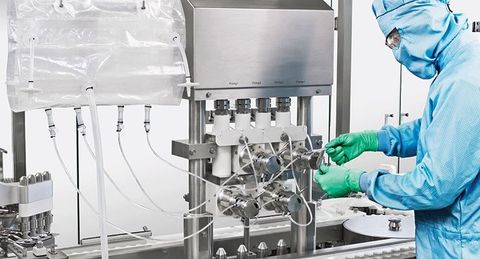
Aseptic Filling MachinesPharmaceutical and dairy productsMaintains sterile conditions
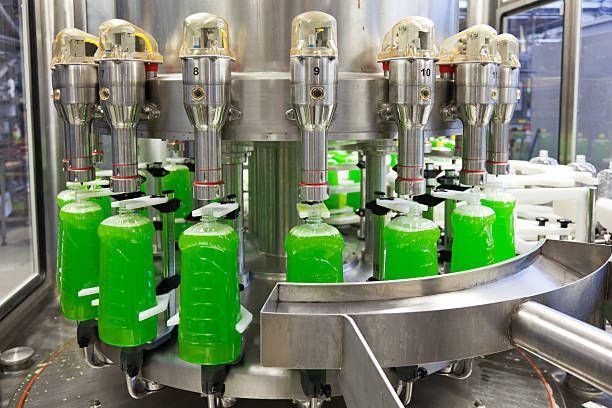
Rotary Filling MachinesHigh-volume productionSupports continuous operation
Sachet and Pouch FillersSmall liquid packagesForms and fills pouches

Why Liquid Packaging Machines Matter

Liquid packaging plays an important role in ensuring that products remain safe, hygienic, and properly measured throughout transportation and storage.

Several industries depend heavily on packaging systems:

  • Food and beverage manufacturers
  • Pharmaceutical producers
  • Chemical processing facilities
  • Cosmetic product manufacturers
  • Personal care product producers

These machines help address several operational challenges:

  • Maintaining consistent fill accuracy
  • Reducing product waste
  • Improving packaging speed
  • Supporting quality control processes
  • Enhancing product traceability
  • Meeting hygiene requirements

In highly regulated sectors such as pharmaceuticals and food production, packaging systems are also part of broader compliance and safety programs.

Benefits of Packaging Automation

AreaImpact
AccuracyConsistent product quantities
EfficiencyFaster production workflows
Quality ControlImproved packaging consistency
SafetyReduced direct product handling
TraceabilityBetter production monitoring
SustainabilityReduced material waste

The integration of packaging automation solutions has become increasingly important as manufacturers seek greater operational efficiency and data-driven production management.

Industry Trends and Recent Developments

The liquid packaging sector has experienced significant technological advancements during the past year.

Smart Manufacturing Integration

Throughout 2025 and early 2026, more manufacturers adopted Industrial Internet of Things (IIoT) technologies within packaging lines. Modern systems increasingly collect operational data in real time, allowing operators to monitor production performance and identify maintenance needs before disruptions occur.

Artificial Intelligence in Packaging Operations

AI-assisted monitoring systems are becoming more common in industrial packaging equipment. These technologies help detect filling inconsistencies, packaging defects, and machine performance variations through automated analysis.

Sustainable Packaging Initiatives

Environmental sustainability remains a major focus across packaging industries. During 2025, many manufacturers expanded efforts to support:

  • Reduced packaging material usage
  • Recyclable packaging formats
  • Lightweight container designs
  • Improved resource efficiency

These developments influence machine design because equipment must adapt to new packaging materials and container formats.

Increased Adoption of Flexible Packaging

Flexible packaging formats, including pouches and sachets, continue gaining popularity in food, beverage, and personal care sectors. As a result, demand for advanced pouch-filling and sealing technologies has increased.

Enhanced Pharmaceutical Packaging Standards

Recent updates in pharmaceutical manufacturing practices have encouraged greater investment in aseptic packaging technology and automated inspection systems to support product integrity and traceability requirements.

Packaging Technology Evolution


Manual Filling
      ↓
Semi-Automatic Systems
      ↓
Automated Filling Lines
      ↓
Smart Packaging Equipment
      ↓
AI-Assisted Packaging Operations


Regulations and Policy Considerations

Liquid packaging machines operate within broader regulatory frameworks that vary by industry and country.

Manufacturers typically design equipment to support compliance with food safety, pharmaceutical, environmental, and workplace safety requirements.

Food Safety Regulations

Food packaging equipment is often influenced by regulations related to:

  • Hygiene standards
  • Contamination prevention
  • Equipment sanitation
  • Material compatibility

Food processing facilities may follow standards established by national food safety authorities and international quality management systems.

Pharmaceutical Compliance

Pharmaceutical packaging equipment frequently operates under strict manufacturing guidelines that address:

  • Sterile production environments
  • Product traceability
  • Validation procedures
  • Documentation requirements

These rules help ensure that liquid medicines maintain quality and safety throughout production.

Environmental Policies

Many governments have introduced sustainability initiatives that encourage:

  • Packaging waste reduction
  • Recyclable materials
  • Resource efficiency
  • Reduced environmental impact

As environmental requirements evolve, packaging equipment manufacturers continue adapting machine capabilities to support emerging packaging materials.

Workplace Safety Standards

Industrial packaging facilities are also subject to workplace safety regulations covering:

  • Machine guarding
  • Operator protection
  • Emergency stop systems
  • Maintenance procedures

Safety standards help reduce operational risks within manufacturing environments.

Key Technical Components

Most liquid packaging systems contain several core components:

ComponentPurpose
Filling UnitDispenses liquid product
Conveyor SystemMoves containers through production
Sealing ModuleCloses containers securely
Control PanelManages machine operation
SensorsMonitor production conditions
Inspection SystemsVerify packaging quality

Modern packaging automation solutions often combine these components into integrated production lines.

Helpful Tools and Resources

A variety of tools and resources can help professionals, students, and researchers learn more about liquid packaging technologies.

Industry Resources

  • Packaging industry publications
  • Manufacturing technology journals
  • Food processing research databases
  • Pharmaceutical production resources
  • Industrial automation knowledge platforms

Useful Software Categories

  • Production monitoring software
  • Manufacturing execution systems (MES)
  • Enterprise resource planning (ERP) platforms
  • Equipment maintenance tracking tools
  • Quality management systems (QMS)

Technical Documentation Resources

  • Equipment manuals
  • Safety guidelines
  • Packaging standards documentation
  • Industrial automation references
  • Regulatory compliance publications

Learning Resources

  • Manufacturing training programs
  • Packaging technology webinars
  • Automation engineering courses
  • Industry conference materials
  • Technical certification resources

These resources help individuals stay informed about advancements in packaging line automation and industrial manufacturing practices.

Frequently Asked Questions

What is a liquid packaging machine?

A liquid packaging machine is equipment used to fill, seal, and prepare liquid products for storage and distribution. These systems are commonly used in food, beverage, pharmaceutical, cosmetic, and chemical manufacturing.

What industries use liquid packaging equipment?

Industries that commonly use liquid packaging systems include food processing, beverage production, pharmaceuticals, personal care products, cosmetics, and industrial chemicals.

What is aseptic packaging technology?

Aseptic packaging technology is a process that packages products within controlled sterile environments to help maintain product safety and quality, particularly for pharmaceuticals and certain food products.

How does packaging automation improve manufacturing?

Packaging automation can improve efficiency, consistency, traceability, and quality control while reducing manual intervention throughout production processes.

What are current trends in liquid packaging?

Recent trends include smart manufacturing integration, AI-assisted inspection systems, sustainable packaging initiatives, flexible packaging formats, and advanced production monitoring technologies.

Important Facts About Liquid Packaging Machines

  • Liquid packaging systems are used across multiple manufacturing sectors.
  • Different machine types are designed for different liquid characteristics.
  • Packaging automation supports production consistency and operational efficiency.
  • Smart sensors and monitoring technologies are becoming increasingly common.
  • Sustainability goals are influencing machine development and packaging material selection.
  • Regulatory compliance remains an important consideration for food and pharmaceutical packaging operations.

Conclusion

Liquid packaging machines have become a critical part of modern manufacturing operations. From beverages and food products to pharmaceuticals and personal care items, these systems help ensure products are packaged accurately, consistently, and safely.

Recent developments in automation, artificial intelligence, data monitoring, and sustainable packaging have transformed the capabilities of modern packaging equipment. At the same time, evolving regulatory requirements continue shaping how packaging systems are designed and operated.

Understanding the fundamentals of liquid packaging machines provides valuable insight into a technology that supports numerous industries worldwide. As manufacturing continues to evolve, packaging automation solutions are expected to play an increasingly important role in efficiency, quality assurance, and production innovation.

author-image

Harshit Sharma

We are a performance-driven media buying team focused on scaling brands through smart, data-backed advertising strategies

July 09, 2026 . 8 min read