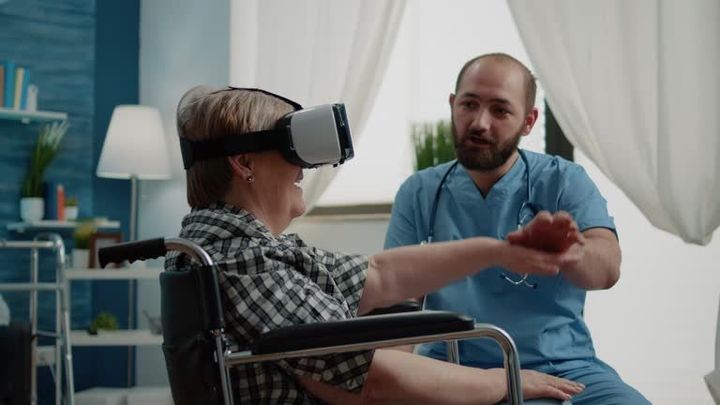
Learn About Virtual Reality in Therapy: Complete Overview, Basics, Explanation, Details, and Information
Virtual Reality (VR) in therapy refers to the use of computer-generated digital environments that allow individuals to interact with realistic simulations through specialized headsets and related equipment. The technology creates immersive experiences that can be used as part of therapeutic, rehabilitation, educational, or healthcare programs.
The concept emerged from advances in virtual reality technology, psychology, neuroscience, and healthcare innovation. Researchers and healthcare professionals began exploring how simulated environments could support therapeutic goals in controlled and measurable ways.
In a therapy setting, virtual reality can recreate situations, environments, or activities that may be difficult, expensive, or impractical to experience in the real world. These simulations can be adjusted according to individual needs and treatment objectives.
Common areas where virtual reality is explored include:
- Mental health support
- Exposure-based interventions
- Physical rehabilitation
- Pain management research
- Cognitive training
- Neurological rehabilitation
- Stress management programs
As digital health technologies continue to evolve, virtual reality has become an important area of study within healthcare technology and behavioral science.
Why Virtual Reality in Therapy Matters Today
Virtual reality in therapy has gained attention because it combines immersive technology with evidence-based therapeutic methods. Many healthcare organizations, researchers, and clinicians are examining how digital tools can complement traditional treatment approaches.
Several factors contribute to its growing importance.
- Increased access to advanced healthcare technologies
- Improvements in VR hardware and software
- Growing interest in digital therapeutics
- Expansion of telehealth and remote healthcare solutions
- Continued research into mental health and rehabilitation tools
The technology may help address challenges such as controlled exposure to situations, patient engagement, and standardized therapeutic environments.
The following table highlights some areas where virtual reality applications are commonly studied.
| Therapy Area | Example Application |
|---|---|
| Mental Health | Anxiety-related exposure simulations |
| Rehabilitation | Movement and mobility exercises |
| Cognitive Training | Memory and attention activities |
| Pain Research | Distraction-based immersive environments |
| Neurological Recovery | Motor skill practice and coordination |
| Stress Management | Relaxation and mindfulness simulations |
Virtual reality is not generally viewed as a replacement for healthcare professionals. Instead, it is often explored as an additional tool that may support specific therapeutic goals under appropriate supervision.
Growth Trend of Virtual Reality in Healthcare
The chart below illustrates a simplified representation of the growing interest in virtual reality healthcare research over recent years.
| Year | Relative Research Activity |
|---|---|
| 2020 | ████ |
| 2021 | █████ |
| 2022 | ██████ |
| 2023 | ███████ |
| 2024 | ████████ |
| 2025 | █████████ |
The trend reflects increasing academic studies, technological development, and healthcare sector interest in immersive therapy solutions.
Recent Updates and Developments
The past year has seen continued growth in virtual reality healthcare applications.
During 2025 and early 2026, researchers, healthcare institutions, and technology companies continued evaluating virtual reality for rehabilitation, behavioral health, cognitive assessment, and digital therapeutics.
Several notable trends have emerged:
- More healthcare providers are testing immersive therapy environments.
- VR headsets have become lighter and more capable.
- Artificial intelligence integration has improved personalization features.
- Researchers continue publishing studies on therapy outcomes.
- Interest in remote and home-based therapeutic experiences has increased.
- Healthcare organizations are exploring data-driven patient monitoring within virtual environments.
Another significant development involves the broader integration of digital therapeutics platforms. These platforms combine virtual reality experiences with healthcare data tracking, progress monitoring, and clinician feedback systems.
Educational institutions and medical training programs have also expanded the use of immersive simulations for healthcare learning and patient communication training.
While research continues, experts generally emphasize the importance of evidence-based implementation and ongoing clinical evaluation.
Laws, Regulations, and Policy Considerations
Virtual reality in therapy operates within broader healthcare, technology, privacy, and medical device regulatory frameworks.
The specific rules vary across countries, but several common areas of regulation affect virtual reality healthcare applications.
Healthcare Device Regulation
In some regions, certain virtual reality therapeutic products may fall under medical device regulations if they are intended for specific healthcare purposes. Regulatory agencies evaluate safety, effectiveness, and intended use before approval.
Data Privacy Requirements
Virtual reality systems may collect information such as:
- User interactions
- Motion tracking data
- Performance metrics
- Session records
Organizations using these systems typically must follow applicable privacy and data protection laws.
Clinical Standards
Healthcare providers using virtual reality technologies often follow professional standards and evidence-based guidelines established by healthcare organizations and regulatory authorities.
Accessibility Policies
Many healthcare systems increasingly emphasize accessibility requirements to ensure digital health technologies can be used by diverse populations, including individuals with disabilities.
Research Ethics
Academic and clinical studies involving virtual reality therapy generally require ethical review and participant protections, particularly when collecting health-related information.
As virtual reality technologies continue evolving, policymakers and healthcare organizations are expected to refine standards that balance innovation, patient safety, and privacy protection.
Helpful Tools and Resources
A variety of tools and resources support learning and research related to virtual reality in therapy.
Educational Resources
- Academic journals covering healthcare technology
- Medical research databases
- University healthcare innovation programs
- Psychology and neuroscience publications
- Digital health research centers
Virtual Reality Platforms
- VR headset ecosystems
- Immersive simulation platforms
- Healthcare training environments
- Rehabilitation software systems
- Cognitive assessment applications
Research Databases
- Clinical trial registries
- Healthcare research repositories
- Scientific publication databases
- Digital therapeutics research collections
Assessment and Tracking Tools
- Progress monitoring systems
- Digital health analytics platforms
- Behavioral assessment software
- Cognitive performance tracking tools
Professional Organizations
- Healthcare technology associations
- Rehabilitation research groups
- Mental health professional organizations
- Medical informatics societies
- Digital health networks
These resources help researchers, students, healthcare professionals, and interested readers better understand developments in virtual reality therapy and related technologies.
Key Benefits and Considerations
Virtual reality therapy research often focuses on several potential advantages and practical considerations.
| Potential Benefits | Considerations |
|---|---|
| Controlled environments | Equipment requirements |
| Standardized experiences | Training needs |
| High engagement levels | Technical limitations |
| Flexible simulations | Individual suitability |
| Data collection opportunities | Privacy management |
| Remote participation potential | Ongoing research needs |
The effectiveness of virtual reality interventions can vary depending on the application, healthcare setting, and individual circumstances. Continued research remains important for understanding long-term outcomes and best practices.
Frequently Asked Questions
What is virtual reality therapy?
Virtual reality therapy involves the use of immersive digital environments as part of healthcare, rehabilitation, or therapeutic programs. The technology allows users to interact with computer-generated simulations designed for specific therapeutic purposes.
Is virtual reality therapy used only for mental health?
No. While mental health applications receive significant attention, virtual reality is also explored in rehabilitation, neurological recovery, cognitive training, pain management research, medical education, and physical therapy programs.
Does virtual reality replace healthcare professionals?
Virtual reality is generally considered a tool that may support healthcare interventions. It is not typically viewed as a replacement for qualified healthcare professionals, clinical judgment, or established treatment approaches.
Why is virtual reality becoming more common in healthcare?
Advances in computing power, headset technology, digital therapeutics, artificial intelligence, and healthcare innovation have increased interest in immersive technologies. Researchers continue evaluating how these tools may support therapeutic goals.
Are there regulations for virtual reality healthcare applications?
Yes. Depending on the country and intended use, virtual reality healthcare applications may be subject to medical device regulations, privacy laws, healthcare standards, research ethics requirements, and accessibility guidelines.
Conclusion
Virtual reality in therapy represents an evolving intersection of healthcare technology, psychology, neuroscience, and digital innovation. By creating immersive and controlled environments, virtual reality offers new opportunities for research, rehabilitation, cognitive training, and therapeutic support.
Recent advancements in hardware, software, artificial intelligence, and digital health platforms have accelerated interest in virtual reality applications across healthcare settings. At the same time, regulatory frameworks, privacy protections, and clinical standards continue to shape responsible implementation.
As research expands and technology improves, virtual reality is likely to remain an important area of exploration within modern healthcare. Understanding its foundations, current developments, policy considerations, and available resources can help readers gain a clearer perspective on this rapidly developing field of healthcare innovation.