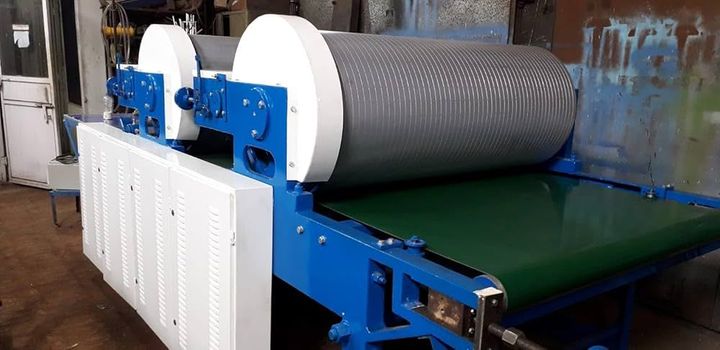
Learn About Paper & Printing Machine Manufacturers: Complete Guide, Explanation, Insights, Facts, Knowledge, and Help Resources
Paper and printing machine manufacturers are organizations that design, develop, and produce equipment used in paper production, packaging, commercial printing, publishing, labeling, and industrial printing applications. These machines play a vital role in transforming raw materials into finished paper products and printed materials used across numerous sectors.
The paper and printing industry has evolved significantly over the past century. Early manual printing systems gradually developed into automated, digital, and computer-controlled production environments capable of handling large-scale manufacturing processes. Today, manufacturers focus on improving production efficiency, automation, sustainability, precision, and resource management.
Paper manufacturing equipment typically includes pulping systems, paper-making machines, drying systems, coating equipment, and finishing machinery. Printing equipment may include offset printing machines, flexographic presses, gravure printing systems, digital printing machines, and specialized industrial printing technologies.
Many industries depend on these technologies, including publishing, education, packaging, healthcare, retail, logistics, food processing, and industrial manufacturing.
Why Paper & Printing Machine Manufacturing Matters
Paper and printing machinery supports a wide range of economic and industrial activities. Books, newspapers, packaging materials, labels, office supplies, educational resources, and industrial documentation all rely on production systems developed by machinery manufacturers.
The sector contributes to:
• Packaging production and distribution
• Commercial printing operations
• Publishing and educational materials
• Product labeling and identification
• Industrial documentation systems
• Sustainable packaging initiatives
As global demand for packaging and printed materials continues to evolve, manufacturers are adapting their technologies to support changing business requirements.
Some important challenges addressed by modern machinery include:
• Production efficiency optimization
• Waste reduction management
• Energy consumption control
• Material utilization improvement
• Automation and workflow integration
• Product quality consistency
Industry Applications Overview
| Industry Sector | Common Machine Applications |
|---|---|
| Packaging | Cartons, boxes, labels, flexible packaging |
| Publishing | Books, magazines, newspapers |
| Education | Textbooks, learning materials |
| Healthcare | Medical packaging and documentation |
| Retail | Product labels and promotional materials |
| Logistics | Shipping labels and tracking documents |
Recent Updates and Industry Trends
The paper and printing machinery sector has experienced several notable developments during 2025 and 2026.
Manufacturers have increasingly invested in smart manufacturing technologies that integrate sensors, artificial intelligence, predictive maintenance systems, and data analytics into production environments.
Key industry trends include:
• Advanced automation systems
• Digital printing technology expansion
• Sustainable production solutions
• Energy-efficient machinery designs
• Smart factory integration
• Industrial Internet of Things (IIoT) connectivity
During 2025, many equipment providers introduced machine monitoring platforms capable of providing real-time performance analysis and predictive maintenance alerts. These systems help operators identify maintenance requirements before unexpected downtime occurs.
Another significant trend has been the growth of sustainable packaging production. As organizations seek environmentally responsible packaging solutions, machinery manufacturers have adapted equipment to support recycled fibers, biodegradable materials, and resource-efficient production methods.
Digital printing technology has also expanded rapidly. Improvements in print quality, speed, and customization capabilities have enabled broader adoption across commercial and industrial applications.
Technology Adoption Trends
| Technology Area | Industry Adoption Trend |
| Automation Systems | High Growth |
| Digital Printing | High Growth |
| AI Monitoring | Moderate to High Growth |
| Energy-Efficient Equipment | High Growth |
| Predictive Maintenance | Increasing Adoption |
| Smart Factory Solutions | Rapid Expansion |
Laws, Regulations, and Government Policies
Paper and printing machine manufacturing is influenced by various regulations relating to environmental protection, workplace safety, industrial standards, and product quality.
Environmental regulations often focus on:
• Emissions management
• Waste handling procedures
• Water usage efficiency
• Energy conservation practices
• Recycling requirements
Manufacturers frequently design equipment to help production facilities comply with environmental standards and sustainability objectives.
Workplace safety regulations may affect machine design through requirements related to:
• Operator protection systems
• Emergency stop functions
• Safety guarding mechanisms
• Noise reduction measures
• Hazard prevention controls
Many countries also maintain industrial standards governing machinery performance, operational safety, electrical systems, and manufacturing quality processes.
In recent years, several governments have introduced programs encouraging sustainable manufacturing practices and energy-efficient industrial equipment. These initiatives often support modernization efforts aimed at reducing environmental impact while improving production efficiency.
Because regulations vary between jurisdictions, manufacturers typically design equipment to comply with internationally recognized standards wherever possible.
Helpful Tools and Resources
Professionals researching paper and printing machinery often use a variety of digital resources, software platforms, and analytical tools.
Useful categories include:
• Production planning software
• Print workflow management platforms
• Maintenance management systems
• Energy monitoring dashboards
• Industrial automation software
• Quality control applications
• Supply chain management tools
• Equipment performance analytics
Common resource types include:
| Resource Type | Purpose |
| Workflow Software | Process coordination |
| Maintenance Platforms | Equipment monitoring |
| Energy Calculators | Consumption analysis |
| Quality Management Tools | Production consistency |
| Automation Dashboards | Operational visibility |
| Technical Documentation Libraries | Equipment reference materials |
Industry professionals also rely on:
• Technical standards databases
• Manufacturing research publications
• Industrial engineering resources
• Equipment specification guides
• Sustainability assessment frameworks
• Digital transformation planning tools
These resources help organizations evaluate technologies, understand industry developments, and improve operational decision-making.
Production Workflow Example
The following simplified chart illustrates a typical paper and printing production sequence:
Raw Material Processing
↓
Pulp Preparation
↓
Paper Manufacturing
↓
Drying and Finishing
↓
Printing Operations
↓
Quality Inspection
↓
Packaging and Distribution
This workflow can vary depending on product type, production scale, and manufacturing objectives.
Frequently Asked Questions
What does a paper machine manufacturer do?
A paper machine manufacturer designs and produces equipment used to convert raw materials into paper products. This includes machinery for pulping, forming, drying, coating, and finishing paper.
What is the difference between paper manufacturing machinery and printing machinery?
Paper manufacturing machinery creates paper products from raw materials, while printing machinery applies text, graphics, images, or information onto paper, packaging, or other substrates.
Why is automation important in modern printing equipment?
Automation helps improve production consistency, reduce manual intervention, enhance efficiency, support quality control, and minimize operational interruptions.
How are sustainability goals affecting machinery development?
Manufacturers increasingly focus on energy efficiency, waste reduction, recycled material compatibility, water conservation, and environmentally responsible production technologies.
What industries commonly use printing and paper production equipment?
Packaging, publishing, education, healthcare, retail, logistics, manufacturing, and commercial printing sectors frequently utilize these technologies.
Key Industry Keywords and Concepts
Several high-value industry terms frequently associated with paper and printing machine manufacturing include:
Industrial Printing Technology, Commercial Printing Equipment, Packaging Production Systems, Digital Printing Solutions, Automated Manufacturing Systems, Industrial Automation Software, Sustainable Manufacturing Technology, Smart Factory Solutions, Predictive Maintenance Systems, Production Management Software, Energy Efficiency Technology, Workflow Automation Platforms, Industrial Engineering Solutions, Quality Control Systems, Manufacturing Analytics, Packaging Machinery Technology, Enterprise Production Systems, Advanced Printing Technology, Industrial Process Optimization, Machine Monitoring Systems.
Conclusion
Paper and printing machine manufacturers play an essential role in supporting modern industrial production, packaging operations, publishing activities, and commercial printing processes. As technology continues to advance, the sector is increasingly shaped by automation, digital transformation, sustainability initiatives, and smart manufacturing practices.
Recent developments in artificial intelligence, predictive maintenance, energy-efficient design, and digital printing technologies are helping transform production environments across the industry. At the same time, regulations related to environmental responsibility and workplace safety continue to influence machinery design and operational practices.
Understanding the technologies, trends, regulations, and resources associated with paper and printing machine manufacturing provides valuable insight into an industry that remains fundamental to global manufacturing, packaging, communication, and information distribution systems.