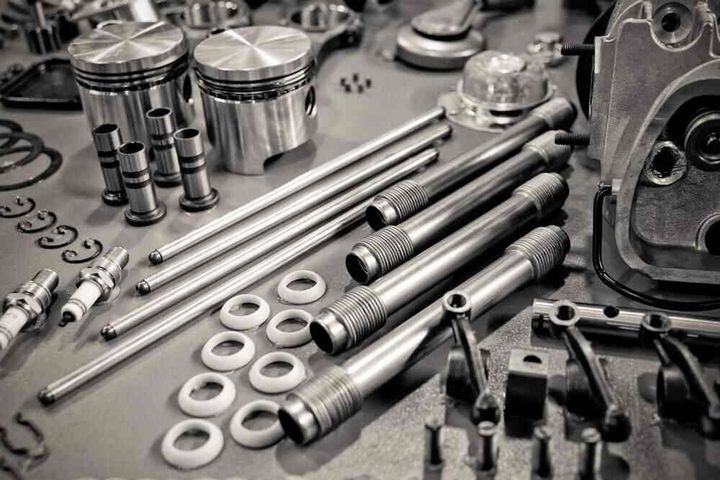
Learn About Industrial Spare Parts: Overview, Basics, Information, Details, Advice, and Suggestions
Industrial spare parts are replacement components used to maintain, repair, and support industrial machinery, equipment, and production systems. These parts exist because machines experience wear and tear over time. Components such as bearings, motors, gears, belts, valves, sensors, filters, hydraulic components, and electrical modules eventually require replacement to keep operations functioning efficiently.
Industrial facilities across manufacturing, energy, mining, logistics, agriculture, food processing, construction, and transportation rely on spare parts inventories to reduce downtime and maintain productivity. Without access to appropriate replacement components, equipment failures can lead to interruptions in operations, reduced output, and increased maintenance challenges.
As industrial systems become more advanced, spare parts management has evolved from simple storage practices to data-driven inventory planning and predictive maintenance strategies. Organizations increasingly use digital tools to monitor equipment health and identify replacement requirements before failures occur.
Why Industrial Spare Parts Matter
Industrial spare parts play an important role in ensuring operational continuity. Every machine consists of multiple components that work together. If a single critical component fails, an entire production line may be affected.
Industries that benefit from effective spare parts management include:
- Manufacturing facilities
- Power generation plants
- Mining operations
- Warehousing and logistics centers
- Agricultural processing facilities
- Transportation infrastructure
- Water treatment facilities
Common problems that industrial spare parts help address include:
- Unexpected equipment downtime
- Production interruptions
- Safety concerns related to worn components
- Reduced equipment performance
- Maintenance scheduling difficulties
- Asset reliability challenges
The growing adoption of predictive maintenance technologies has further increased the importance of maintaining accurate spare parts inventories. Organizations increasingly use equipment data to anticipate replacement needs and improve maintenance planning.
Industrial Spare Parts Categories
| Category | Examples | Typical Purpose |
|---|---|---|
| Mechanical Components | Bearings, gears, shafts | Motion and power transmission |
| Electrical Components | Motors, relays, switches | Electrical control and operation |
| Hydraulic Parts | Pumps, valves, cylinders | Fluid power systems |
| Pneumatic Components | Compressors, fittings | Air-powered systems |
| Instrumentation Parts | Sensors, transmitters | Monitoring and measurement |
| Consumable Parts | Filters, seals, gaskets | Routine maintenance support |
| Safety Components | Emergency switches, guards | Workplace safety protection |
Industrial Spare Parts Lifecycle
| Stage | Description |
| Equipment Installation | Initial component deployment |
| Normal Operation | Regular equipment use |
| Inspection | Condition monitoring and assessment |
| Maintenance Planning | Identification of replacement needs |
| Component Replacement | Installation of spare parts |
| Performance Verification | Testing and validation |
| Continued Operation | Equipment returns to service |
Recent Updates and Industry Trends
The industrial spare parts sector has experienced several important developments during 2025 and 2026.
One major trend is the expansion of predictive maintenance technologies. Many organizations now use Industrial Internet of Things (IIoT) sensors to monitor machine performance in real time. These systems help maintenance teams identify component wear before failures occur.
Another significant development has been increased adoption of artificial intelligence for inventory forecasting. During 2025, many industrial organizations expanded AI-based systems to improve spare parts planning, inventory optimization, and equipment reliability.
Digital twins have also gained wider acceptance. These virtual models of industrial equipment allow operators to simulate performance and predict maintenance requirements more accurately.
Additive manufacturing, commonly known as industrial 3D printing, continues to influence spare parts management. Throughout 2025 and early 2026, organizations explored localized production of selected replacement components, particularly for legacy equipment where traditional sourcing can be challenging.
Sustainability initiatives have also become more prominent. Many companies are focusing on extending equipment life cycles, improving repair practices, and reducing material waste through better spare parts planning.
The following chart illustrates key trends influencing industrial spare parts management:
| Industry Trend | Influence Level |
| Predictive Maintenance | Very High |
| AI Inventory Planning | High |
| Digital Twin Technology | High |
| Industrial Automation | High |
| 3D Printing Applications | Moderate |
| Sustainability Programs | Moderate |
| Remote Monitoring Systems | High |
Laws, Regulations, and Policy Considerations
Industrial spare parts are often affected by various regulations, standards, and compliance requirements. While specific rules vary by jurisdiction, several common frameworks influence industrial maintenance activities.
Equipment safety regulations frequently require organizations to maintain machinery in safe operating condition. This often includes replacing damaged or worn components according to manufacturer recommendations and safety standards.
Environmental regulations may affect the handling and disposal of used components, lubricants, filters, and other maintenance materials. Proper waste management practices are increasingly emphasized across industrial sectors.
Quality management frameworks such as internationally recognized manufacturing standards encourage documentation, traceability, and consistent maintenance practices. Organizations often maintain records of spare parts usage to support compliance and operational reliability.
Industries such as energy, aviation, pharmaceuticals, food processing, and transportation may face additional sector-specific requirements regarding equipment maintenance, inspection intervals, and component traceability.
Government-supported initiatives promoting digital transformation, industrial modernization, automation, and smart manufacturing have also influenced how organizations manage maintenance operations and spare parts inventories.
Helpful Tools and Resources
Modern spare parts management increasingly relies on digital tools and specialized resources.
Common categories include:
- Computerized Maintenance Management Systems (CMMS)
- Enterprise Asset Management (EAM) platforms
- Predictive maintenance software
- Inventory management applications
- Industrial asset tracking systems
- Equipment condition monitoring platforms
- Digital twin solutions
- Barcode and RFID tracking systems
Useful resources often include:
- Manufacturer maintenance manuals
- Equipment documentation libraries
- Engineering standards references
- Reliability engineering guides
- Industrial maintenance templates
- Asset inspection checklists
- Maintenance scheduling frameworks
Common Maintenance Metrics
Organizations frequently monitor several indicators related to spare parts and maintenance performance.
| Metric | Purpose |
| Mean Time Between Failures (MTBF) | Measures equipment reliability |
| Mean Time To Repair (MTTR) | Evaluates repair efficiency |
| Equipment Availability | Measures operational readiness |
| Inventory Turnover | Tracks spare parts usage |
| Stock Accuracy | Evaluates inventory reliability |
| Planned Maintenance Rate | Measures proactive maintenance effectiveness |
Best Practices for Spare Parts Management
Effective spare parts management typically involves several practical approaches.
- Identify critical equipment components.
- Maintain accurate inventory records.
- Review spare parts requirements regularly.
- Use condition monitoring when available.
- Track maintenance history and replacement patterns.
- Standardize component specifications where practical.
- Implement preventive maintenance schedules.
- Train personnel on equipment inspection procedures.
- Monitor inventory performance indicators.
- Establish documentation and traceability processes.
Organizations that follow structured maintenance practices often improve equipment reliability and operational consistency.
Frequently Asked Questions
What are industrial spare parts?
Industrial spare parts are replacement components used to repair, maintain, or restore industrial equipment and machinery. Examples include bearings, motors, valves, sensors, filters, gears, and hydraulic components.
Why is spare parts management important?
Proper spare parts management helps reduce equipment downtime, improve maintenance efficiency, support operational reliability, and ensure machinery remains available when needed.
What is predictive maintenance?
Predictive maintenance uses equipment data, sensors, and analytics to identify potential failures before they occur. This approach helps organizations plan maintenance activities and prepare required spare parts in advance.
How do organizations determine critical spare parts?
Critical spare parts are usually identified by evaluating equipment importance, failure frequency, safety impact, operational risk, and replacement lead times.
How is technology changing industrial spare parts management?
Technologies such as AI, IoT sensors, digital twins, inventory analytics, and automated monitoring systems help organizations improve forecasting, maintenance planning, and equipment reliability.
Conclusion
Industrial spare parts remain a fundamental element of modern industrial operations. They support equipment reliability, maintenance efficiency, operational continuity, and workplace safety across a wide range of industries. As industrial systems become increasingly connected and data-driven, spare parts management continues to evolve through predictive maintenance, artificial intelligence, digital twin technologies, and advanced inventory planning.
Organizations that understand equipment requirements, maintain accurate inventories, follow regulatory expectations, and leverage modern maintenance tools are better positioned to support long-term operational performance. With ongoing advancements in automation, monitoring systems, and asset management practices, industrial spare parts will continue to play an essential role in sustaining industrial productivity and equipment reliability.