Learn About Industrial Refrigeration Plants and Their Industrial Importance
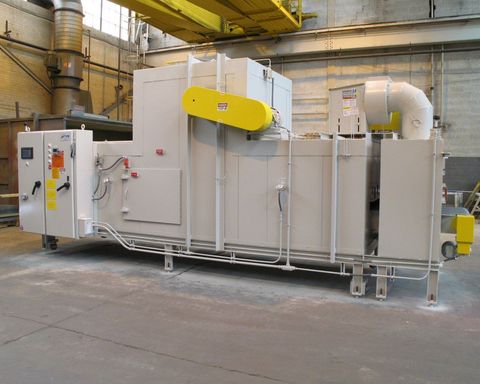
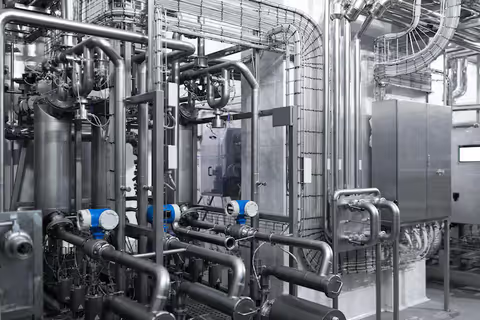
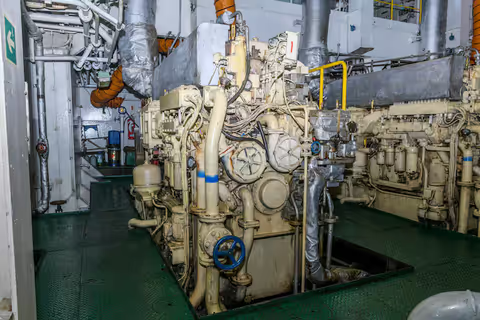
Industrial refrigeration plants are large-scale cooling systems designed to remove heat from industrial processes, storage facilities, and manufacturing environments. Unlike household refrigeration units, these plants are engineered to operate continuously while maintaining precise temperature conditions for large volumes of products or production areas.
Industries including food processing, pharmaceuticals, chemicals, beverages, dairy, logistics, and manufacturing depend on industrial refrigeration plants to preserve product quality, maintain production efficiency, and comply with safety regulations. These systems are built to deliver reliable cooling under demanding operating conditions while supporting energy-efficient operation.
Modern industrial refrigeration plants combine advanced mechanical equipment with digital monitoring and intelligent control systems to achieve stable temperatures and improved operational performance.
How Industrial Refrigeration Plants Work
Industrial refrigeration plants operate by transferring heat from one location to another through a refrigeration cycle.
The typical cooling process includes:
- Compression of refrigerant gas
- Heat rejection inside the condenser
- Pressure reduction through an expansion device
- Heat absorption inside the evaporator
- Continuous circulation of refrigerant throughout the system
During this cycle, heat is extracted from refrigerated rooms, industrial processes, or storage facilities and released into the surrounding environment.
Automated controllers continuously monitor temperatures, pressures, refrigerant flow, and equipment performance to maintain efficient operation.
Main Components of Industrial Refrigeration Plants
Compressors
- Compress refrigerant gas
- Increase refrigerant pressure
- Drive the refrigeration cycle
- Available as screw, reciprocating, centrifugal, and scroll compressors
Condensers
- Remove heat from refrigerant
- Convert refrigerant vapor into liquid
- Air-cooled and water-cooled designs are commonly used
Evaporators
- Absorb heat from the environment
- Produce the required cooling effect
- Installed inside cold rooms, process areas, and storage facilities
Expansion Devices
- Control refrigerant flow
- Reduce refrigerant pressure before entering the evaporator
- Improve cooling efficiency
Refrigerants
Industrial plants commonly use:
- Ammonia (R717)
- Carbon Dioxide (R744)
- Hydrofluoroolefins (HFOs)
- Low Global Warming Potential refrigerants
Control Systems
Modern control systems manage:
- Temperature monitoring
- Pressure regulation
- Compressor sequencing
- Alarm management
- Remote diagnostics
- Energy optimization
Common Types of Industrial Refrigeration Plants
| Plant Type | Primary Application | Main Advantage |
|---|---|---|
| Ammonia Refrigeration | Food processing and cold storage | High efficiency |
| CO₂ Refrigeration | Distribution centers | Lower environmental impact |
| Cascade Refrigeration | Very low temperature operations | Excellent low-temperature performance |
| Glycol Cooling Systems | Food and beverage industries | Stable secondary cooling |
| Chilled Water Plants | Manufacturing and HVAC | Flexible cooling distribution |
| Hybrid Refrigeration Systems | Large industrial facilities | Improved energy optimization |
Why Industrial Refrigeration Plants Are Important
Industrial refrigeration plants support product preservation, manufacturing efficiency, and workplace safety.
Their importance includes:
- Preserving food quality
- Supporting pharmaceutical manufacturing
- Maintaining chemical process temperatures
- Protecting temperature-sensitive materials
- Reducing spoilage
- Improving production consistency
- Supporting export-quality products
- Extending product shelf life
Without reliable refrigeration, many industries would experience significant product losses and production interruptions.
Major Industrial Applications
Food Processing
- Meat processing
- Seafood processing
- Dairy production
- Frozen foods
- Fruits and vegetables
Beverage Manufacturing
- Brewing
- Soft drink production
- Juice processing
- Beverage storage
Pharmaceutical Industry
- Medicine storage
- Vaccine production
- Laboratory cooling
- Temperature-controlled manufacturing
Chemical Industry
- Process cooling
- Reaction temperature control
- Material preservation
Cold Chain Logistics
- Distribution centers
- Refrigerated warehouses
- Transport hubs
- Export facilities
Manufacturing
- Plastic processing
- Metal manufacturing
- Industrial process cooling
- Electronics production
Problems Industrial Refrigeration Plants Solve
Large industrial operations face numerous cooling challenges that conventional refrigeration systems cannot handle.
Industrial refrigeration plants help solve:
- Temperature fluctuations
- Product spoilage
- Production downtime
- Heat generated during manufacturing
- Cold storage management
- Regulatory compliance
- Energy optimization
- Large-scale cooling requirements
These systems enable industries to maintain consistent operating conditions while reducing operational risks.
Key Features of Modern Industrial Refrigeration Plants
Intelligent Automation
Modern plants include programmable controllers that automatically adjust equipment based on cooling demand.
Remote Monitoring
Operators can monitor equipment status, alarms, temperatures, and system performance from centralized dashboards.
Energy Optimization
Advanced algorithms optimize compressor operation, condenser performance, and refrigerant circulation to reduce electricity consumption.
Predictive Maintenance
Sensors continuously collect operational data to identify abnormal equipment behavior before failures occur.
Variable Speed Technology
Variable frequency drives adjust compressor and pump speeds according to cooling demand, improving overall efficiency.
Safety Systems
Modern installations incorporate leak detection, emergency shutdown systems, ventilation controls, and alarm management.
Recent Trends and Developments (2025–2026)
Industrial refrigeration technology has continued to evolve with increasing emphasis on sustainability, automation, and environmental responsibility.
Recent developments include:
- Wider adoption of natural refrigerants such as ammonia and carbon dioxide due to environmental regulations.
- Greater implementation of Industrial Internet of Things (IIoT) sensors for continuous equipment monitoring.
- Increased use of artificial intelligence to improve predictive maintenance and optimize energy consumption.
- Expansion of digital twin technology for refrigeration plant simulation and performance analysis.
- Higher adoption of heat recovery systems that reuse waste heat generated during refrigeration processes.
- Improved cybersecurity measures for connected industrial control systems.
- Enhanced refrigerant leak detection technologies with real-time monitoring capabilities.
- Growth in cloud-based refrigeration management platforms supporting remote diagnostics and operational reporting.
These advancements continue to improve reliability, environmental performance, and operational efficiency across industrial facilities.
Regulations and Industry Standards
Industrial refrigeration plants are subject to numerous international standards and safety requirements depending on the region and application.
Important standards include:
International Organization for Standardization (ISO)
Provides quality management and environmental management frameworks relevant to industrial operations.
ISO 5149
Specifies safety and environmental requirements for refrigeration systems and heat pumps.
EN 378
Defines safety and environmental requirements for refrigeration systems in many international markets.
IEC Standards
Address electrical safety, industrial automation, and equipment protection.
ASHRAE Guidelines
Widely referenced for refrigeration design, refrigerant classification, and energy efficiency practices.
Environmental Regulations
Many countries continue transitioning toward refrigerants with lower Global Warming Potential (GWP) to reduce greenhouse gas emissions.
Organizations operating industrial refrigeration systems should always comply with local environmental, workplace safety, and refrigerant handling regulations.
Useful Tools, Platforms, and Learning Resources
Engineering Software
- AutoCAD
- SolidWorks
- Autodesk Revit
Industrial Automation Platforms
- Siemens TIA Portal
- Rockwell Automation Studio 5000
- Schneider EcoStruxure
Refrigeration Monitoring
- SCADA systems
- Industrial IoT monitoring platforms
- Building Management Systems (BMS)
Learning Resources
- ASHRAE publications
- Refrigeration engineering textbooks
- Technical training institutes
- Equipment manufacturer documentation
- Industrial automation learning platforms
Future Outlook
Industrial refrigeration plants are expected to become more intelligent, energy efficient, and environmentally sustainable.
Future innovations may include greater integration of artificial intelligence, expanded use of digital twins, advanced energy recovery systems, autonomous diagnostics, and environmentally friendly refrigerants. These developments will help industries improve operational reliability while supporting sustainability goals.
Frequently Asked Questions
What is an industrial refrigeration plant?
An industrial refrigeration plant is a large-scale cooling system designed to remove heat from industrial processes, storage facilities, and manufacturing environments while maintaining precise temperature control.
Which industries commonly use industrial refrigeration plants?
Food processing, pharmaceuticals, chemical manufacturing, beverage production, cold storage, logistics, dairy processing, and industrial manufacturing are among the most common users.
Which refrigerants are commonly used in industrial refrigeration plants?
Common refrigerants include ammonia (R717), carbon dioxide (R744), hydrofluoroolefins (HFOs), and other refrigerants with lower environmental impact.
How do modern industrial refrigeration plants improve energy efficiency?
They use intelligent automation, variable speed drives, predictive maintenance, energy optimization software, advanced sensors, and efficient heat recovery technologies.
Why are natural refrigerants becoming more popular?
Natural refrigerants generally have lower Global Warming Potential and support environmental sustainability while delivering excellent cooling performance for many industrial applications.
Conclusion
Industrial refrigeration plants play a vital role across numerous industries by providing reliable large-scale cooling for manufacturing, storage, and process applications. Their advanced components, automated controls, and energy-efficient technologies enable organizations to maintain consistent temperatures, improve operational efficiency, and protect valuable products.
As refrigeration technology continues to evolve through intelligent automation, natural refrigerants, and predictive maintenance, industrial refrigeration plants will remain an essential part of modern industrial infrastructure.